
For most modern homes, double-pane windows are the better choice because they provide superior energy efficiency, improved indoor comfort, better noise reduction, and less condensation than single-pane windows. While single-pane windows remain the more affordable option upfront, double-pane windows typically deliver better long-term value through lower energy costs and enhanced performance.
Choosing between single- and double-pane windows is about more than just comparing prices. Climate, energy efficiency, sound insulation, maintenance, and the condition of your existing windows all play an important role in determining which option is right for your home.
This guide explains the differences between single- and double-pane windows, compares their performance across key categories, and helps you decide whether upgrading is worth the investment.
What Are Single-Pane and Double-Pane Windows?
The primary difference lies in the number of glass panes used in the window unit.
Single-Pane Windows
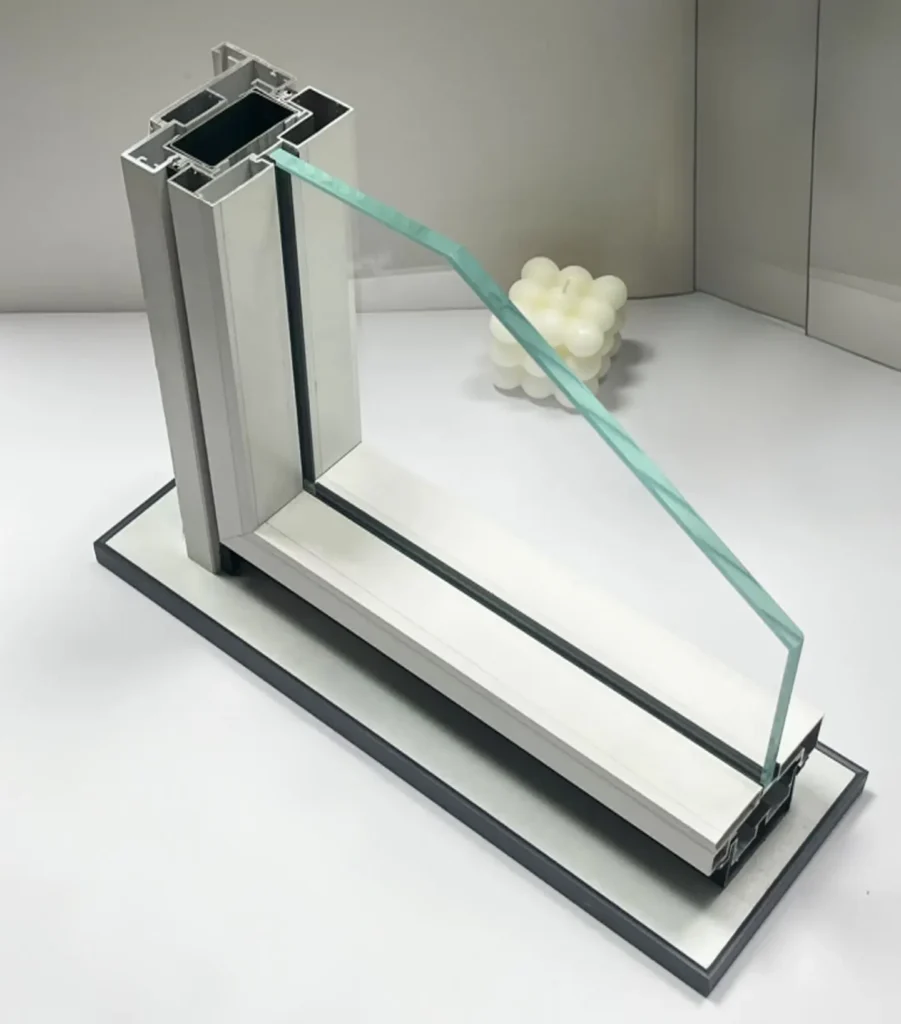
Single-pane windows consist of one sheet of glass installed within the window frame.
For decades, they were the standard choice in residential construction and can still be found in many older homes.
Because there is no insulating air space between glass layers, heat and cold transfer through the glass relatively easily.
Advantages
- Lower initial purchase cost
- Lightweight construction
- Simple installation
- Easier glass replacement
Limitations
- Lower thermal insulation
- Poorer noise reduction
- Higher risk of condensation
- Greater heating and cooling costs
Double-Pane Windows
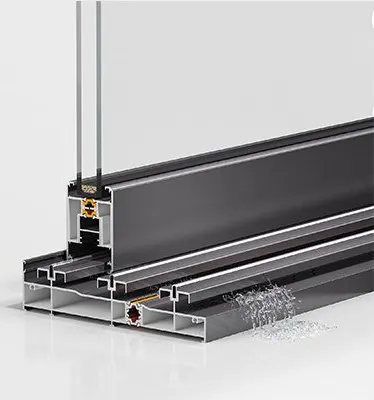
Double-pane windows use two panes of glass separated by a sealed insulating space.
This space is typically filled with air or an inert gas such as argon, which slows heat transfer and improves thermal performance.
Many modern double-pane windows also include Low-E (low-emissivity) coatings, further enhancing energy efficiency by reflecting heat while allowing natural light to pass through.
Advantages
- Better insulation
- Lower energy consumption
- Improved indoor comfort
- Reduced outside noise
- Less condensation
- Increased home value
Limitations
- Higher upfront cost
- Slightly heavier than single-pane windows
- Seal failure may require insulated glass replacement after many years
Key Differences at a Glance
| Feature | Single-Pane Windows | Double-Pane Windows |
|---|---|---|
| Glass Layers | One | Two |
| Insulation | Low | High |
| Energy Efficiency | Lower | Higher |
| Noise Reduction | Limited | Better |
| Condensation Resistance | Poor | Good |
| Initial Cost | Lower | Higher |
| Long-Term Operating Cost | Higher | Lower |
| Comfort | Basic | Significantly Improved |
Although double-pane windows require a higher initial investment, their improved performance often results in lower operating costs over the life of the window.
Energy Efficiency Comparison
Energy efficiency is one of the biggest reasons homeowners choose double-pane windows.
Why Double-Pane Windows Insulate Better
Heat naturally moves from warmer areas to cooler ones.
With a single-pane window, there is only one layer of glass separating indoor and outdoor temperatures, allowing heat to transfer relatively quickly.
Double-pane windows slow this process through two important features:
Insulating Air or Gas Space
The sealed space between the two glass panes acts as an insulating barrier.
When filled with argon or another inert gas, heat transfer is reduced even further because these gases conduct heat less effectively than ordinary air.
Low-E Glass Coatings
Many double-pane windows incorporate Low-E coatings that reflect infrared heat while still allowing visible light to enter.
During winter, the coating helps keep indoor heat inside the home.
During summer, it reflects a portion of the sun’s heat outward, reducing cooling demands.
These technologies work together to improve year-round energy performance.
Long-Term Energy Savings
Although actual savings vary depending on climate, window size, and HVAC usage, homeowners generally experience lower heating and cooling costs after replacing older single-pane windows with modern energy-efficient double-pane units.
The greatest savings are typically seen in regions with:
- Cold winters
- Hot summers
- Large day-to-night temperature swings
- High annual heating or cooling demands
For homeowners planning to stay in their home for many years, the energy savings may help offset part of the higher purchase price over time.
Noise Reduction Comparison
Another major advantage of double-pane windows is improved sound insulation.
The insulating space between the two glass panes helps reduce the transmission of sound vibrations through the window.
As a result, double-pane windows generally provide a quieter indoor environment than single-pane windows.
They are particularly beneficial for homes located near:
- Busy roads
- Airports
- Railways
- Schools
- Commercial districts
While standard double-pane windows reduce everyday outdoor noise, homeowners seeking maximum acoustic performance may consider laminated glass or specialized acoustic glazing systems.
Condensation and Indoor Comfort
Condensation forms when warm indoor air comes into contact with a cold glass surface.
Single-pane windows cool quickly during cold weather, making condensation much more likely.
Excessive condensation can contribute to:
- Water stains
- Mold growth
- Wood damage
- Indoor humidity problems
Double-pane windows keep the interior glass surface warmer, reducing condensation and improving overall comfort throughout the year.
In addition to lowering condensation, better insulation helps eliminate cold spots near windows, making living spaces feel more comfortable even when outdoor temperatures fluctuate.
Cost Comparison
Price is often the first factor homeowners consider when choosing between single- and double-pane windows. While single-pane windows are less expensive initially, the total cost of ownership can be very different over the life of the window.
Initial Purchase Cost
Single-pane windows are generally the more affordable option because they use less material and have a simpler construction.
Double-pane windows cost more due to:
- Two layers of glass
- Sealed insulated glass units (IGUs)
- Air or argon gas filling
- Optional Low-E coatings
- More advanced manufacturing processes
Although prices vary by window size, frame material, glazing options, and manufacturer, double-pane windows typically require a higher upfront investment.
Long-Term Operating Costs
When evaluating window costs, it’s important to consider more than the purchase price.
Single-pane windows often lead to:
- Higher heating bills in winter
- Increased cooling costs in summer
- Reduced indoor comfort
- Greater demand on HVAC systems
Double-pane windows help reduce heat transfer throughout the year, lowering energy consumption and helping maintain more consistent indoor temperatures.
For homeowners planning to remain in their property for many years, these ongoing savings can offset a portion of the initial investment.
Maintenance and Repair Costs
Both window types require routine maintenance, including cleaning, hardware inspection, and weatherstripping replacement.
However, there are some important differences.
Single-Pane Windows
If the glass breaks, replacing a single pane is generally straightforward and relatively inexpensive.
Double-Pane Windows
Modern insulated glass units are highly durable, but if the perimeter seal eventually fails, moisture can enter between the panes and create persistent fogging.
In most cases, the insulated glass unit—not necessarily the entire window—can be replaced by a qualified professional.
Which Window Performs Better in Different Climates?
Climate has a significant impact on which window performs best.
Cold Climates
In regions with long winters, double-pane windows provide noticeably better insulation, helping reduce heat loss and improve indoor comfort.
When paired with Low-E glass and argon gas, they can significantly improve thermal performance compared with traditional single-pane windows.
Hot Climates
In warmer regions, double-pane windows help reduce solar heat gain and decrease the workload on air conditioning systems.
Windows with Low-E coatings are especially effective because they reflect a portion of the sun’s radiant heat while allowing natural daylight to enter.
Mild Climates
In areas with relatively stable temperatures and low heating or cooling demands, the energy-saving advantage of double-pane windows may be less dramatic.
For some budget-conscious homeowners, well-maintained single-pane windows may continue to perform adequately, particularly if energy costs are low and comfort expectations are modest.
Should You Replace Single-Pane Windows?
Not every home with single-pane windows requires an immediate upgrade.
The decision depends on the condition of the existing windows, your local climate, and your long-term goals.
Replacing single-pane windows is often worthwhile if you experience:
- High heating or cooling bills
- Noticeable drafts near windows
- Frequent interior condensation
- Excessive outdoor noise
- Aging or deteriorating window frames
- Plans to improve overall energy efficiency
On the other hand, replacement may not be urgent if:
- The windows are in good condition.
- You live in a mild climate.
- Energy costs are relatively low.
- The property is used only seasonally.
Evaluating both the current performance of your windows and your future plans will help determine whether upgrading is the right investment.
Factors Beyond the Glass
While glass configuration is important, it is only one part of a window’s overall performance.
Several additional factors influence energy efficiency and durability.
Window Frame Material
The frame can significantly affect thermal performance.
For example:
- Vinyl frames offer good insulation and low maintenance.
- Fiberglass frames provide excellent dimensional stability and thermal efficiency.
- Thermally broken aluminum frames combine the strength of aluminum with improved insulation by reducing heat transfer through the frame.
- Standard aluminum frames are durable but generally transfer heat more readily unless they include a thermal break.
Choosing an energy-efficient frame together with double-pane glass provides better overall performance than focusing on the glazing alone.
Installation Quality
Even the highest-performing window cannot deliver its full benefits if it is installed improperly.
Poor installation may lead to:
- Air leakage
- Water infiltration
- Reduced thermal performance
- Premature wear
- Operational problems
Professional installation and proper sealing are essential for maximizing energy efficiency and long-term durability.
Which Option Is Right for You?
The best choice depends on your priorities.
Choose single-pane windows if:
- You have a limited budget.
- You are replacing glass in an older structure where matching existing windows is important.
- Your property is located in a mild climate with relatively low heating and cooling demands.
Choose double-pane windows if:
- You want lower energy bills.
- You value year-round indoor comfort.
- Noise reduction is important.
- You are building a new home or undertaking a major renovation.
- You plan to stay in your home for many years.
For most modern residential projects, double-pane windows offer the better balance of energy efficiency, comfort, durability, and long-term value.
Final Thoughts
While single-pane windows remain suitable for certain applications, double-pane windows have become the preferred choice for most modern homes because they deliver better thermal insulation, improved comfort, enhanced noise reduction, and greater energy efficiency.
Although they require a higher initial investment, the long-term benefits often outweigh the additional upfront cost, particularly in regions with significant heating or cooling demands.
When choosing new windows, remember that overall performance depends on more than the number of glass panes. Window frame materials, glazing options, installation quality, and local climate all contribute to how efficiently a window performs over its lifetime.
By considering both your current needs and long-term goals, you can select a window solution that provides lasting comfort, energy savings, and value.
Looking for energy-efficient window solutions for your next project? Contact us at wang@gddlsn.com for expert advice, customized window recommendations, and a competitive quote tailored to your needs.
FAQs
For most homeowners, yes. Double-pane windows typically provide better energy efficiency, improved comfort, reduced noise, and lower heating and cooling costs over time, making them a worthwhile long-term investment.
In some cases, yes, but it depends on whether the existing window frame is designed to accommodate an insulated glass unit. Older frames often require modification or complete replacement. A professional assessment is recommended before making upgrades.
No. They reduce noise more effectively than single-pane windows, but they do not eliminate it entirely. Homes in very noisy environments may benefit from laminated or specialized acoustic glass.
High-quality double-pane windows typically provide decades of reliable service when properly manufactured, installed, and maintained. Actual lifespan depends on factors such as climate, installation quality, maintenance, and the durability of the insulated glass seal.
Double-pane windows are significantly more energy efficient than single-pane windows because the insulated space between the panes slows heat transfer and helps maintain more consistent indoor temperatures throughout the year.