
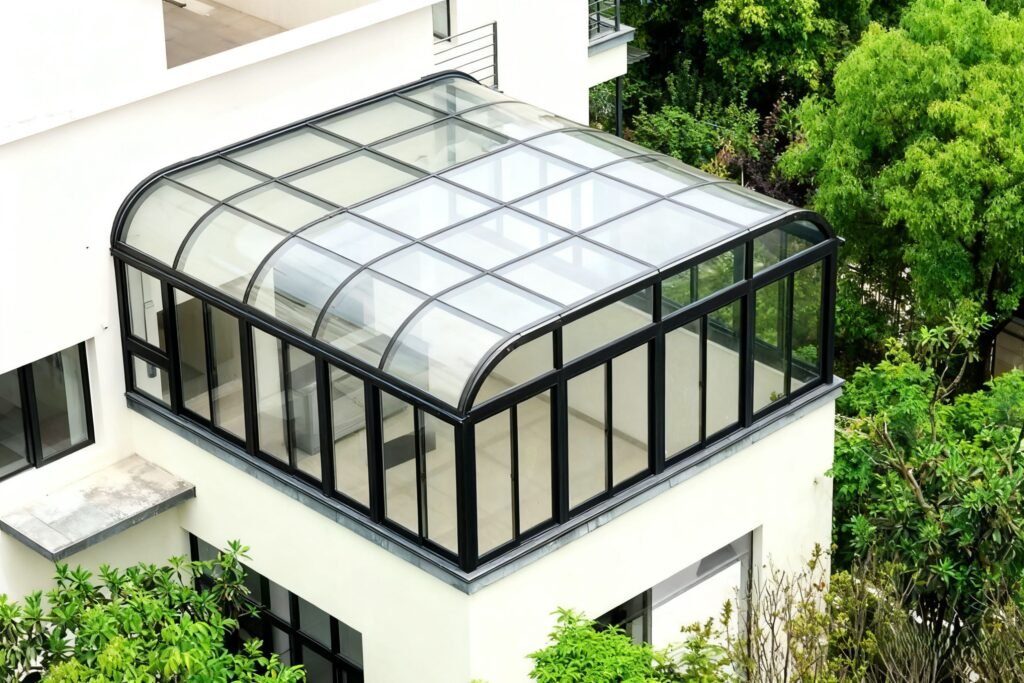
A sunroom is a glass-enclosed living space attached to a home that is designed to maximize natural light while providing protection from the weather. Depending on its design and level of insulation, a sunroom can be used seasonally or throughout the entire year, offering a comfortable space that bridges indoor and outdoor living.
Unlike a traditional room, a sunroom features large windows—and often extensive glass walls or roofs—to create bright, open spaces with panoramic outdoor views. Whether you want a quiet reading area, a home office, a dining room, or simply a place to enjoy nature without being exposed to the elements, a sunroom can be a valuable addition to your home.
In this guide, you’ll learn what sunrooms are, the different types available, their benefits, common uses, construction materials, and whether adding one is the right investment for your property.
What Are Sunrooms?
A sunroom is an enclosed extension built onto a house that uses large areas of glass to bring natural daylight indoors.
Unlike patios or open porches, sunrooms provide protection from wind, rain, insects, and other outdoor conditions while maintaining an open, airy atmosphere.
Depending on the construction, a sunroom may include:
- Glass walls
- Large windows
- Insulated roof systems
- Glass roofs
- Sliding or folding patio doors
- Heating and cooling systems
Some sunrooms are designed for occasional seasonal use, while others function as fully insulated living spaces that can be enjoyed throughout the year.
Why Is It Called a Sunroom?
The name “sunroom” comes from its primary purpose—bringing abundant natural sunlight into the home.
Instead of relying on solid walls, a sunroom uses expansive glass panels that allow daylight to enter from multiple directions.
This creates:
- Brighter interior spaces
- Better outdoor views
- A stronger connection with nature
- A more relaxing indoor environment
Many homeowners choose a sunroom specifically to enjoy natural light during every season without dealing with rain, wind, or insects.
Types of Sunrooms
Not all sunrooms are the same. The right option depends on your climate, budget, and how you plan to use the space.
Screen Room
A screen room is the simplest type of sunroom.
Instead of glass walls, it uses mesh screens that allow fresh air to circulate while keeping insects out.
Best For
- Warm climates
- Outdoor dining
- Relaxing during spring and summer
Advantages
- Lowest construction cost
- Excellent ventilation
- Comfortable outdoor experience
Limitations
- Not suitable for cold or rainy weather
- Cannot be heated or cooled efficiently
Three-Season Sunroom
A three-season sunroom is designed for use during spring, summer, and fall.
It usually features glass windows but lacks the insulation and climate control needed for comfortable winter use.
Best For
- Mild climates
- Homeowners seeking additional seasonal living space
Advantages
- More comfortable than a screened porch
- Lower cost than a four-season sunroom
- Bright and versatile
Limitations
- Limited winter use
- Indoor temperature follows outdoor conditions more closely
Four-Season Sunroom
A four-season sunroom is fully insulated and designed for year-round use.
It typically includes:
- Insulated walls
- Energy-efficient windows
- HVAC integration
- High-performance roofing systems
Best For
- Family rooms
- Home offices
- Dining areas
- Everyday living
Advantages
- Comfortable throughout the year
- Adds functional living space
- Improved energy efficiency
- Greater long-term value
Limitations
- Higher construction cost
- More complex installation
Solarium
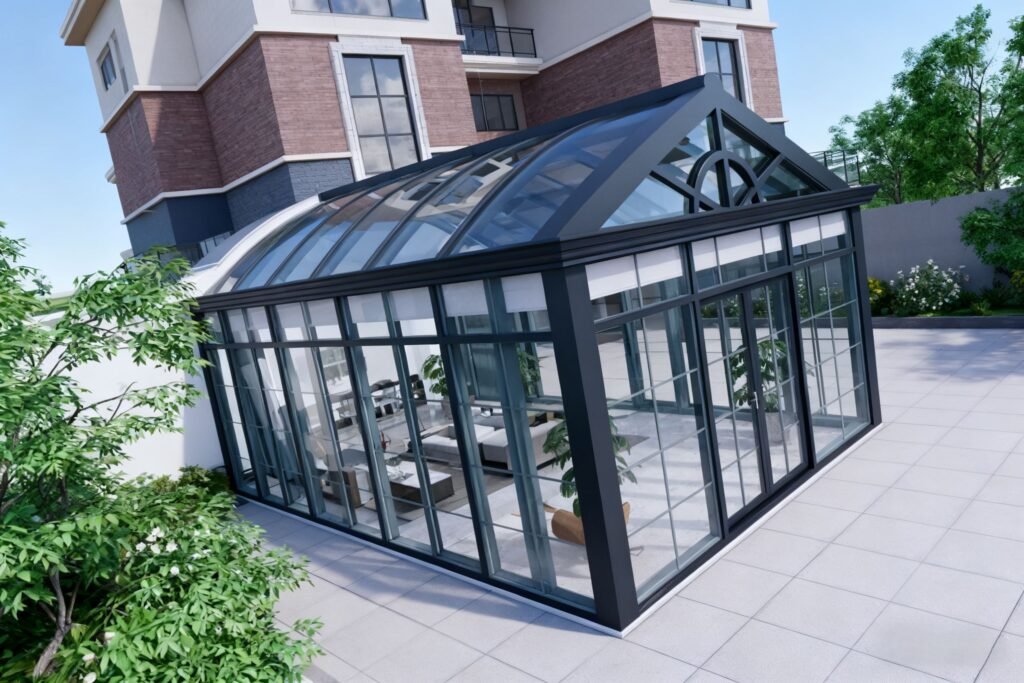
A solarium is the most glass-intensive type of sunroom.
It often features glass walls and a glass roof to maximize natural light and provide nearly unobstructed outdoor views.
Best For
- Scenic properties
- Luxury homes
- Homeowners seeking panoramic views
Advantages
- Maximum daylight
- Stunning architectural appearance
- Excellent viewing experience
Limitations
- Highest construction cost
- Greater solar heat gain without high-performance glazing
Benefits of a Sunroom
A well-designed sunroom offers more than just extra space. It can improve both your home’s functionality and your everyday living experience.
More Natural Light
Large glass panels allow sunlight to fill the room throughout the day, creating a brighter and more welcoming environment.
Natural daylight can also reduce the need for artificial lighting during daylight hours.
Stronger Connection to the Outdoors
A sunroom lets you enjoy garden views, changing seasons, and fresh surroundings while remaining protected from rain, insects, and harsh weather.
Additional Living Space
Depending on your needs, a sunroom can become an extension of your home’s living area without the complexity of a traditional room addition.
Increased Home Appeal
A professionally designed sunroom can enhance the appearance of a home and make it more attractive to future buyers, especially when it complements the existing architecture.
Flexible Everyday Use
Unlike many home additions designed for a single purpose, a sunroom can easily adapt to changing needs over time.
Common Uses for a Sunroom
One of the biggest advantages of a sunroom is its versatility.
Many homeowners use their sunrooms as:
- Living room extension
- Reading room
- Breakfast nook
- Dining area
- Home office
- Indoor garden
- Yoga or meditation room
- Hobby or craft room
- Entertainment space
- Children’s playroom
Because of its abundant natural light, a sunroom can often serve multiple purposes throughout the day, making it one of the most flexible spaces in a home.
Common Materials Used to Build a Sunroom
The choice of frame material affects the sunroom’s appearance, durability, energy efficiency, and maintenance requirements.
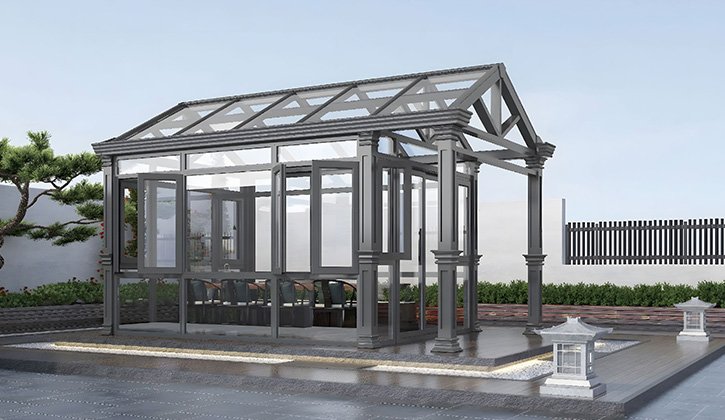
Aluminum
Aluminum is one of the most popular materials for modern sunrooms due to its strength and slim profiles.
Advantages
- Strong yet lightweight
- Supports large glass panels
- Corrosion resistant
- Low maintenance
- Modern appearance
For improved thermal performance, many manufacturers offer thermally broken aluminum frames, which reduce heat transfer while maintaining aluminum’s structural strength.
Best For
Modern homes, large glass walls, and contemporary architectural designs.
Vinyl
Vinyl is a cost-effective option that provides good insulation with minimal maintenance.
Advantages
- Affordable
- Energy efficient
- Moisture resistant
- Easy to maintain
Best For
Homeowners seeking an economical solution for three-season or four-season sunrooms.
Wood
Wood creates a warm, traditional appearance and provides excellent natural insulation.
Advantages
- Timeless aesthetics
- Excellent insulation
- Highly customizable
- Ideal for classic home styles
Considerations
Wood requires regular maintenance, including painting or sealing, to protect it from moisture and weather exposure.
Fiberglass
Fiberglass combines strength with excellent thermal performance.
It expands and contracts very little with temperature changes, making it a reliable choice for year-round sunrooms in varying climates.
Sunroom vs. Conservatory
Although the two terms are sometimes used interchangeably, they are not exactly the same.
| Feature | Sunroom | Conservatory |
|---|---|---|
| Roof Design | Solid or partially glazed | Primarily glass |
| Glass Coverage | Moderate to extensive | Extensive |
| Main Purpose | Everyday living | Decorative living space or plant cultivation |
| Architectural Style | Modern or traditional | Often more classical |
| Climate Control | Common | Depends on design |
A conservatory typically features a fully glazed roof and places greater emphasis on architectural style, while a sunroom offers more flexibility for everyday use and may include insulated roof systems for improved comfort.
Sunroom vs. Screened Porch
These two outdoor living spaces also serve different purposes.
| Feature | Sunroom | Screened Porch |
|---|---|---|
| Glass Windows | Yes | No |
| Weather Protection | Excellent | Limited |
| Insect Protection | Excellent | Excellent |
| Climate Control | Possible | Generally unavailable |
| Year-Round Use | Often possible | Usually seasonal |
A screened porch provides an open-air experience with insect protection, while a sunroom offers a more enclosed environment that can be enjoyed in a wider range of weather conditions.
Choosing the Right Sunroom for Your Climate
Climate plays an important role when selecting a sunroom.
Cold Climates
For regions with long winters, a four-season sunroom is generally the best choice.
Look for features such as:
- Double- or triple-pane insulated glass
- Low-E coatings
- Thermally broken frames
- Proper roof insulation
- Integrated heating systems
Hot Climates
In warmer regions, reducing solar heat gain is often the priority.
Consider:
- Low-E glass
- Tinted glazing
- Ventilation systems
- Roof shades or blinds
- Operable windows for improved airflow
Coastal Areas
Homes near the ocean are exposed to salt air and higher humidity.
Corrosion-resistant materials such as aluminum with protective finishes or fiberglass frames are often the most durable choices.
How Much Does a Sunroom Cost?
The total cost depends on the type of sunroom, size, materials, glazing, and installation complexity.
The following ranges provide a general estimate.
| Type | Typical Cost |
|---|---|
| Screen Room | $5,000–$20,000 |
| Three-Season Sunroom | $15,000–$40,000 |
| Four-Season Sunroom | $30,000–$80,000+ |
| Custom Solarium | $50,000–$100,000+ |
Custom designs, premium materials, and larger structures can significantly increase the overall investment.
Is a Sunroom Worth It?
For many homeowners, the answer is yes.
A thoughtfully designed sunroom provides benefits that extend beyond additional square footage.
Potential advantages include:
- More usable living space
- Increased natural light
- Enhanced connection with outdoor surroundings
- Greater flexibility for work, relaxation, or entertaining
- Improved curb appeal
- Potential increase in property value
The overall value depends on the quality of the design, construction, and how well the sunroom complements your home’s architecture and lifestyle.
Final Thoughts
A sunroom is much more than a room filled with windows. It is a versatile living space designed to bring natural light, outdoor views, and year-round comfort into your home.
Whether you choose a simple screen room, a practical three-season design, or a fully insulated four-season sunroom, the right solution depends on your climate, budget, and intended use.
By understanding the different types of sunrooms, comparing materials, and considering factors such as energy efficiency and maintenance, you can make an informed decision and create a bright, comfortable space that enhances both your home and your daily life.
Planning to add a sunroom to your home? Contact us at wang@gddlsn.com for expert guidance, customized sunroom solutions, and a free quote tailored to your project.
FAQs
A sunroom is designed to provide a bright, comfortable living space that connects your home with the outdoors while offering protection from weather and insects. It can be used for relaxation, dining, working, entertaining, or enjoying natural light throughout the day.
Yes, if it is a four-season sunroom with proper insulation, energy-efficient windows, and heating and cooling systems. Three-season sunrooms are generally intended for use during milder weather.
A conservatory typically features a glass roof and emphasizes architectural style, while a sunroom may have either a solid or partially glazed roof and is usually designed as a practical extension of the home’s living space.
The best material depends on your priorities. Aluminum offers strength and slim profiles, vinyl is affordable and low maintenance, fiberglass provides excellent thermal performance, and wood delivers a classic appearance with natural insulation.
A well-designed and professionally built sunroom can enhance a home’s appeal and may increase its market value, particularly when it adds functional living space and complements the property’s overall design.