
Aluminum Casement Windows
Custom Sizes & Configurations | Thermal & Non-Thermal Options | Single, Double & Triple Glazing | Custom Finishes & Hardware | Residential & Commercial Applications





What Is an Aluminum Casement Window?
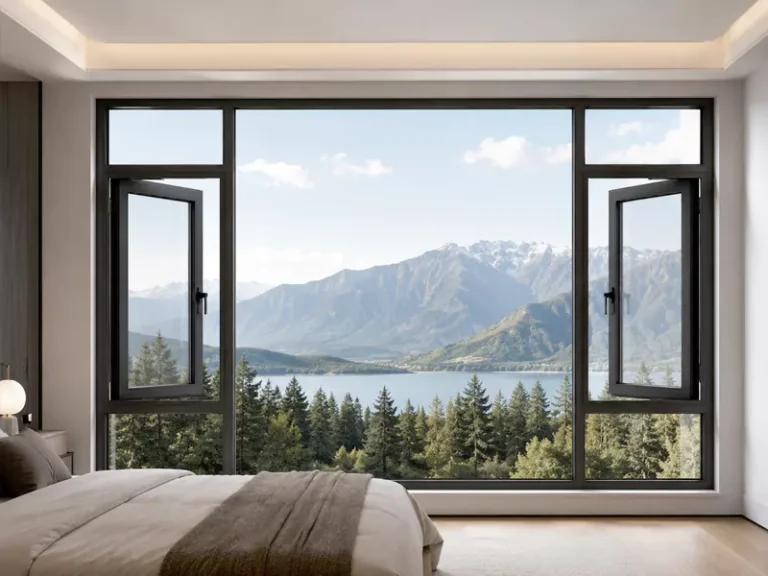
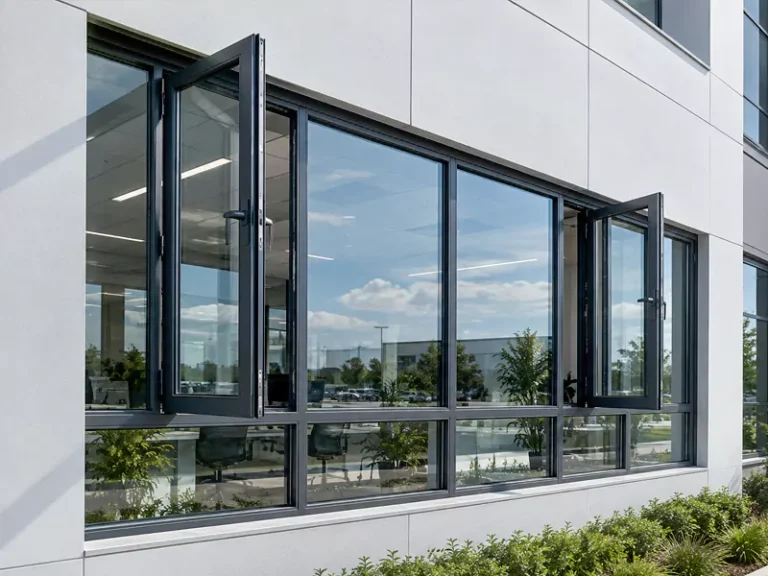
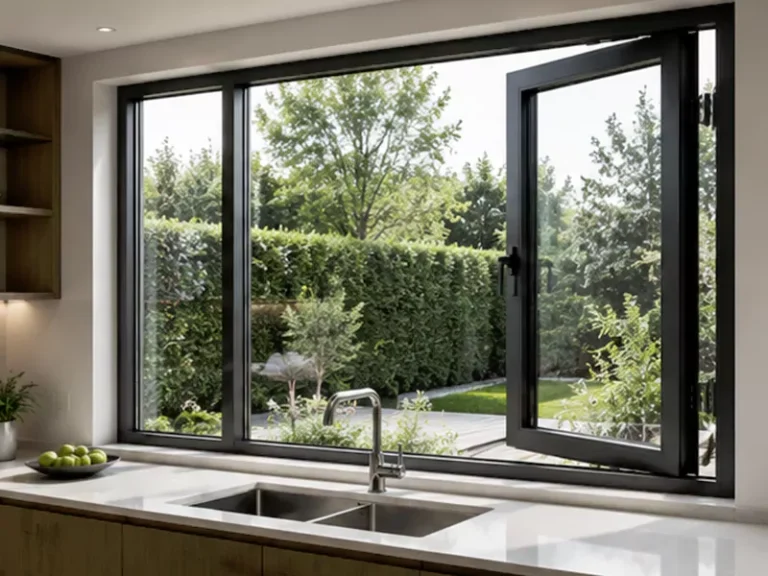
Aluminum casement window is a side-hinged window that opens inward or outward from the frame. Unlike sliding windows, its sash swings open to provide a larger ventilation area and a clear, unobstructed view. Aluminum profiles provide the structural strength needed for slim frames and large glazing areas, while options such as thermal breaks, double glazing, EPDM seals, and multi-point locking can be added for improved thermal, weather, and security performance.
Why Choose Aluminum Casement Windows?
Wide Ventilation
The hinged sash opens wide to provide effective airflow and natural ventilation.
Slim & Strong Profiles
Aluminum offers a strong, lightweight frame that supports slim profiles and larger glass areas.
Flexible Glazing
Supports different glazing configurations to meet requirements for thermal insulation, sound control, safety, and appearance.
Excellent Weather Resistance
Properly designed sealing and drainage systems help resist air and water infiltration in different weather conditions.
Low Maintenance
Aluminum frames resist corrosion and deformation, requiring minimal maintenance during long-term use.
Flexible Design
Available in different sizes, opening configurations, colors, and finishes to suit residential and commercial architecture.
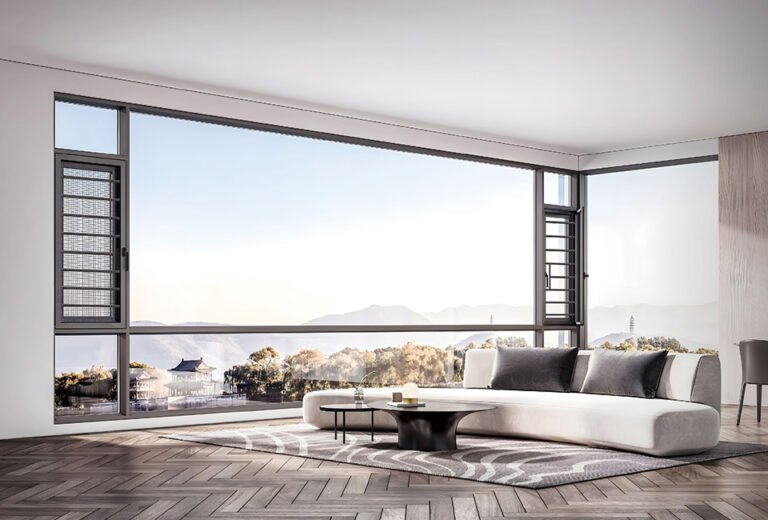
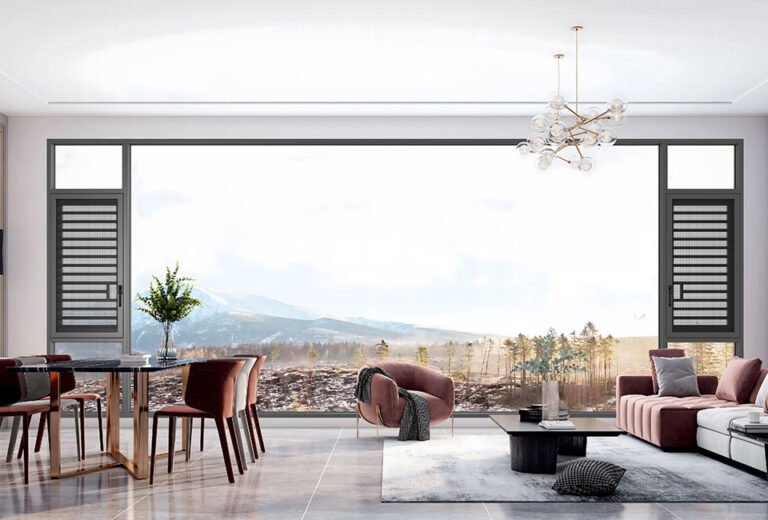

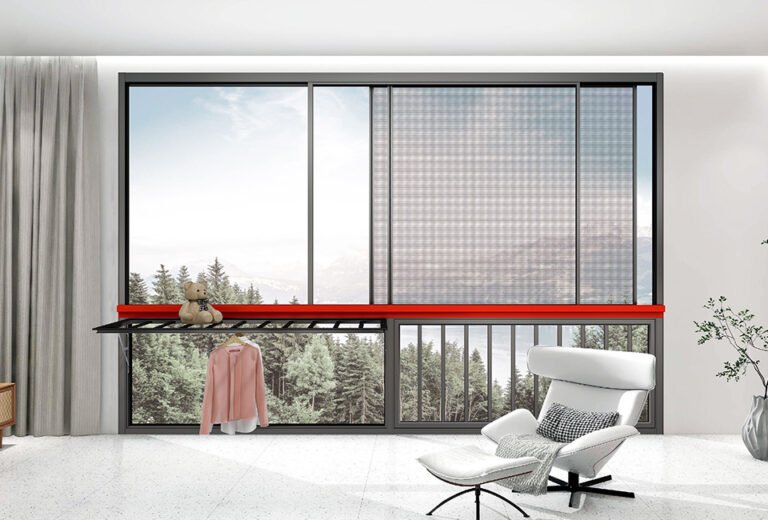
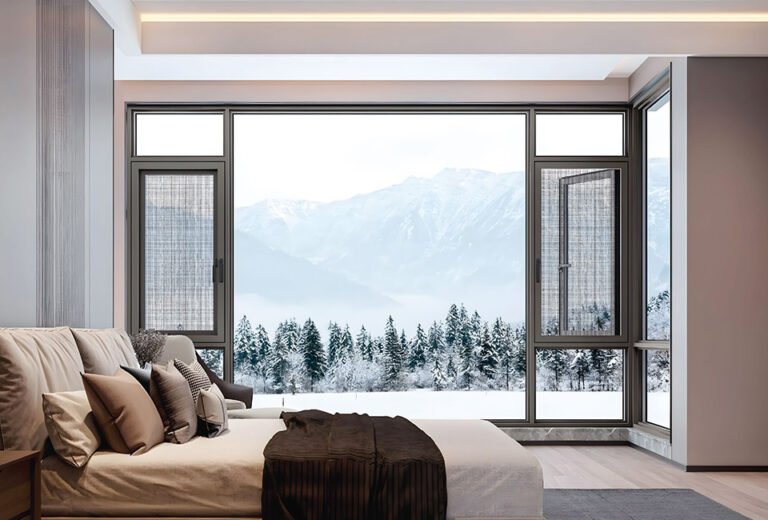
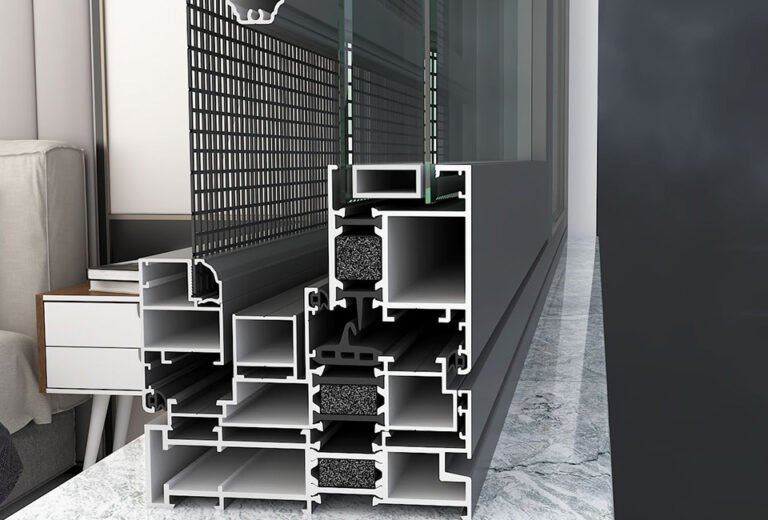
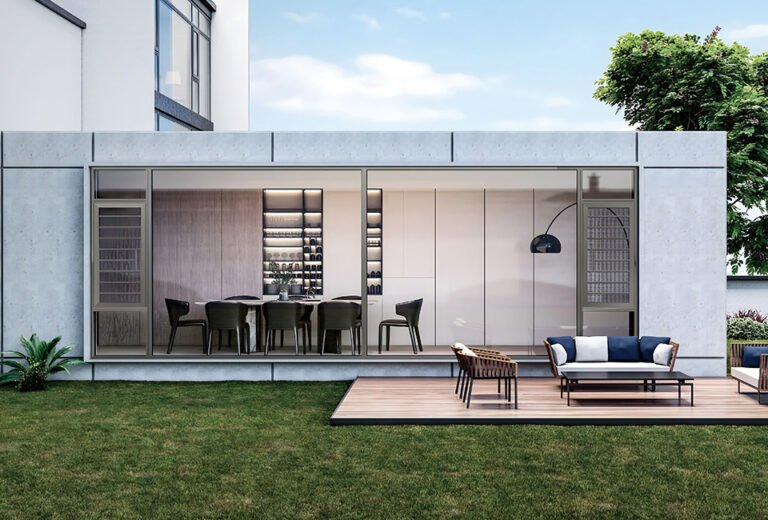
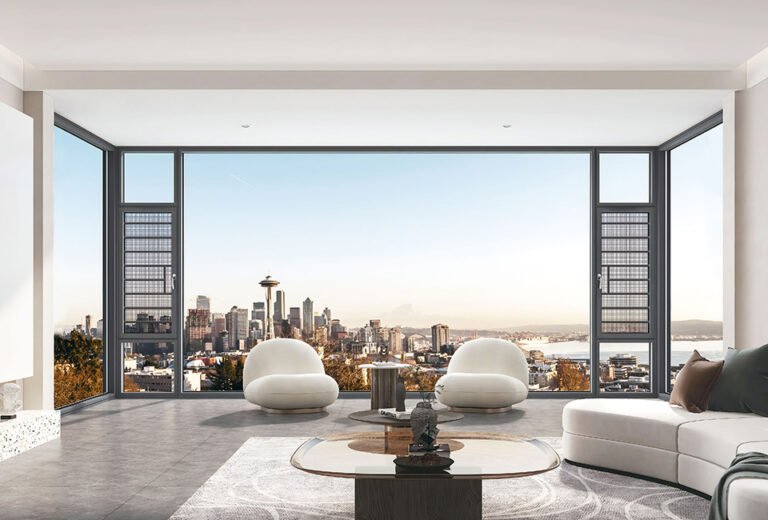

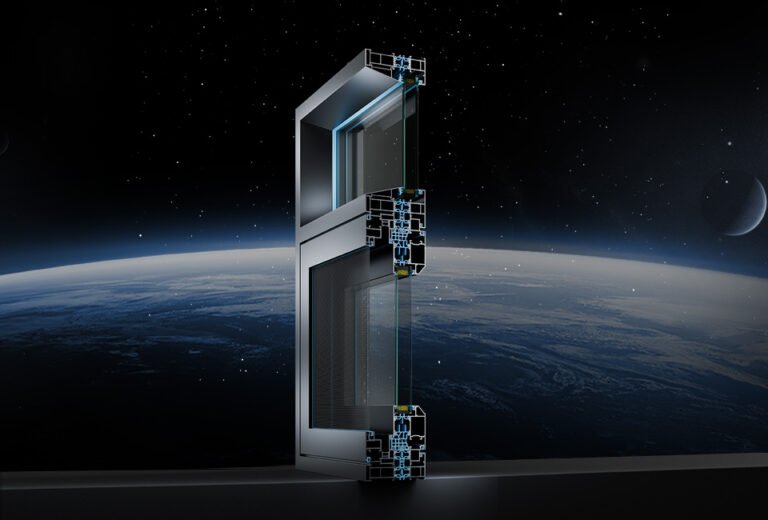
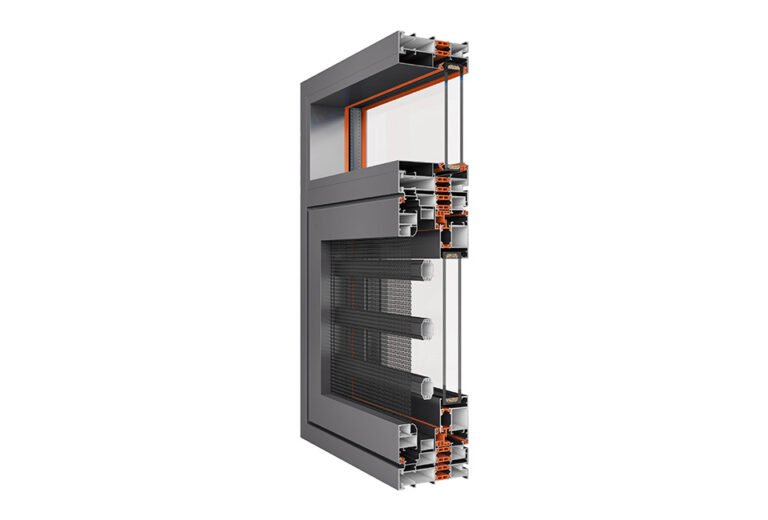
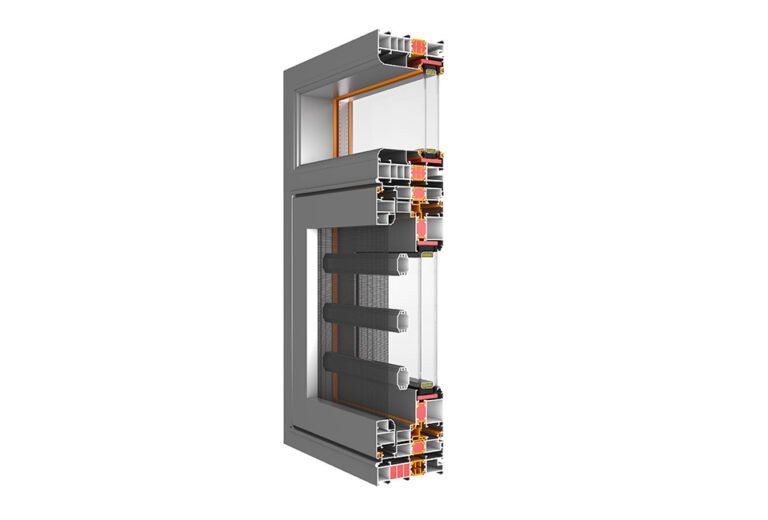

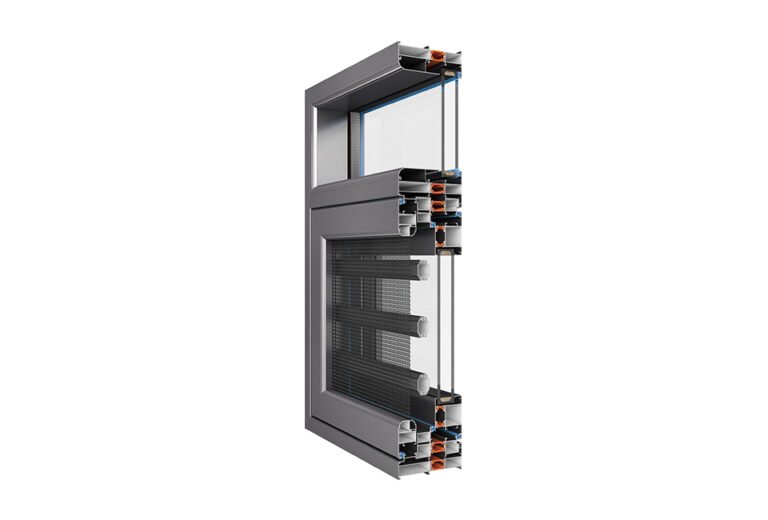
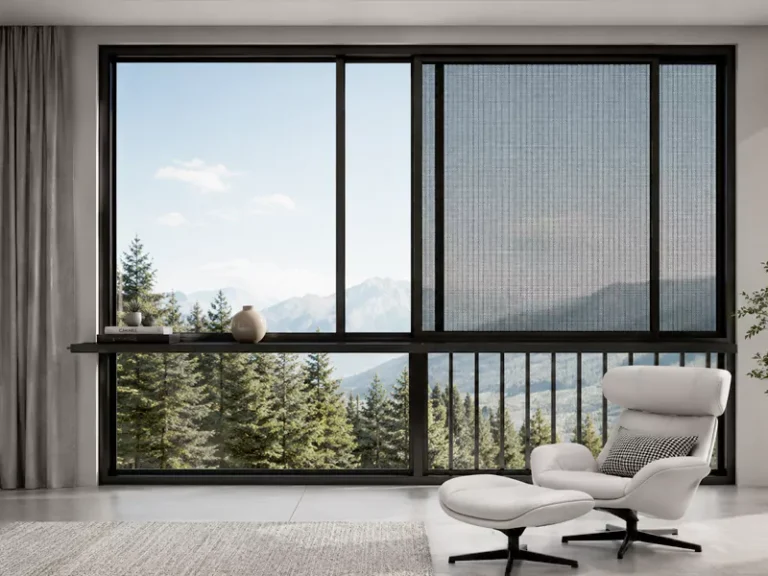
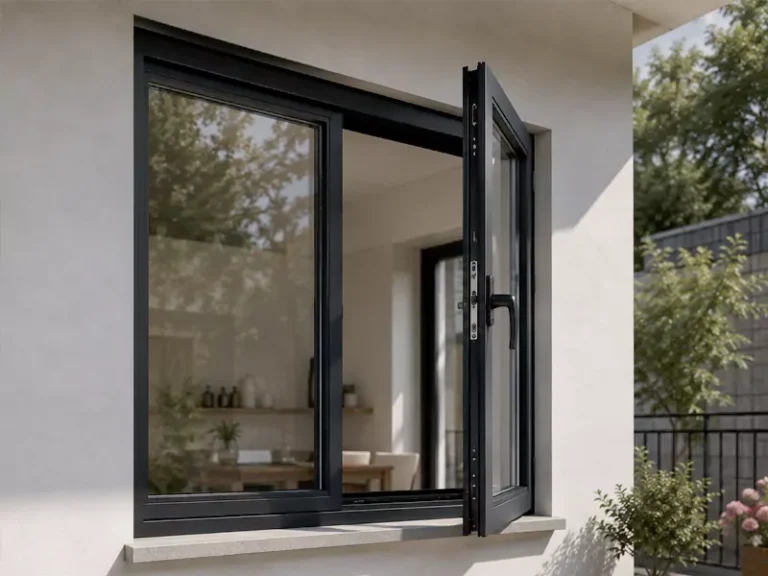
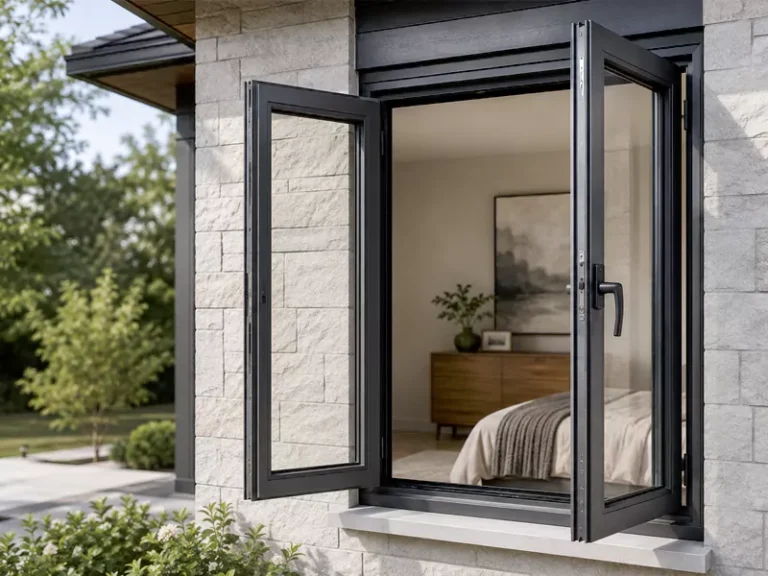
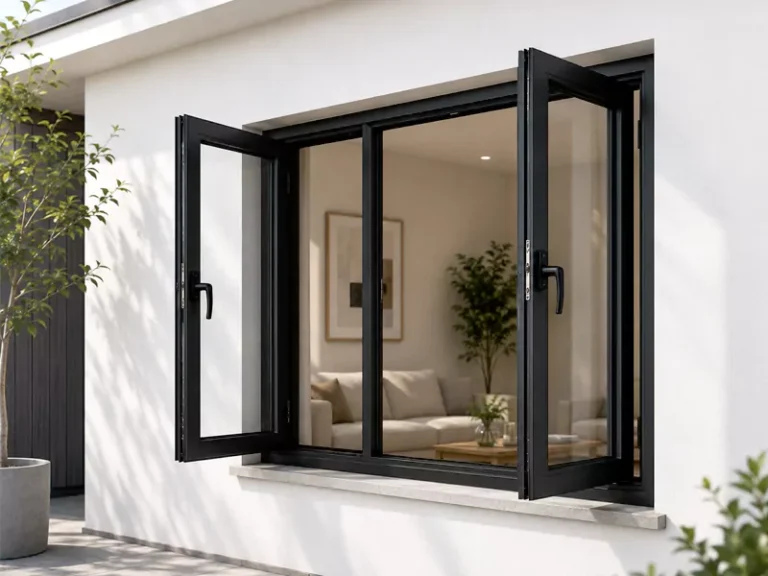
Casement Window Inspiration
Casement Window Types
Side-Hinged Casement Window
Side-Hinged Casement Window is the most common type of casement windows, hinged on the left or right side. They can be operated with a crank or push mechanism and are versatile for most room types.
Top-Hinged Casement Window
Top-Hinged Casement Window is hinged at the top and open outward from the bottom. They are especially useful for ventilation even during rain, as the sash acts as a protective awning.
Bottom-Hinged Casement Window
Bottom-Hinged Casement Window is hinged at the bottom and open inward from the top. They are commonly used in basements or areas where outward opening is not feasible.
Built to Your Specifications
Your project does not have to fit a standard window configuration. We customize the window around your requirements.
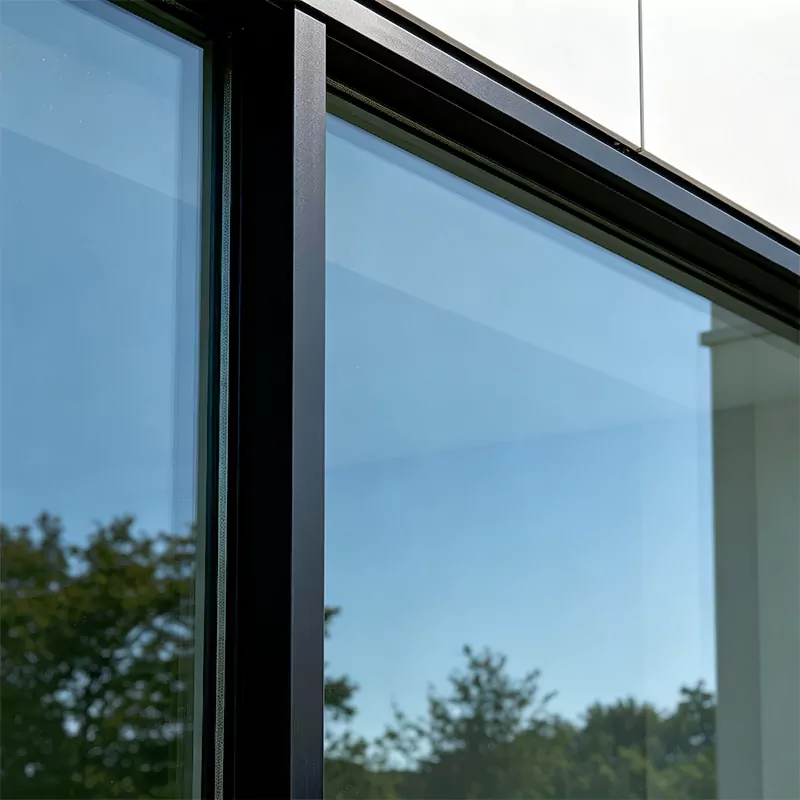
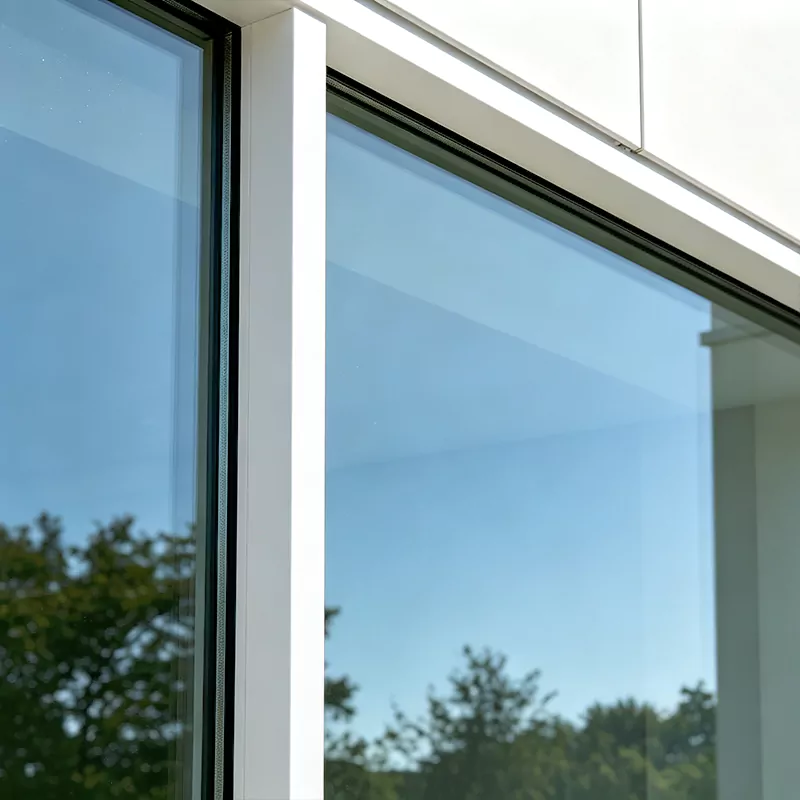
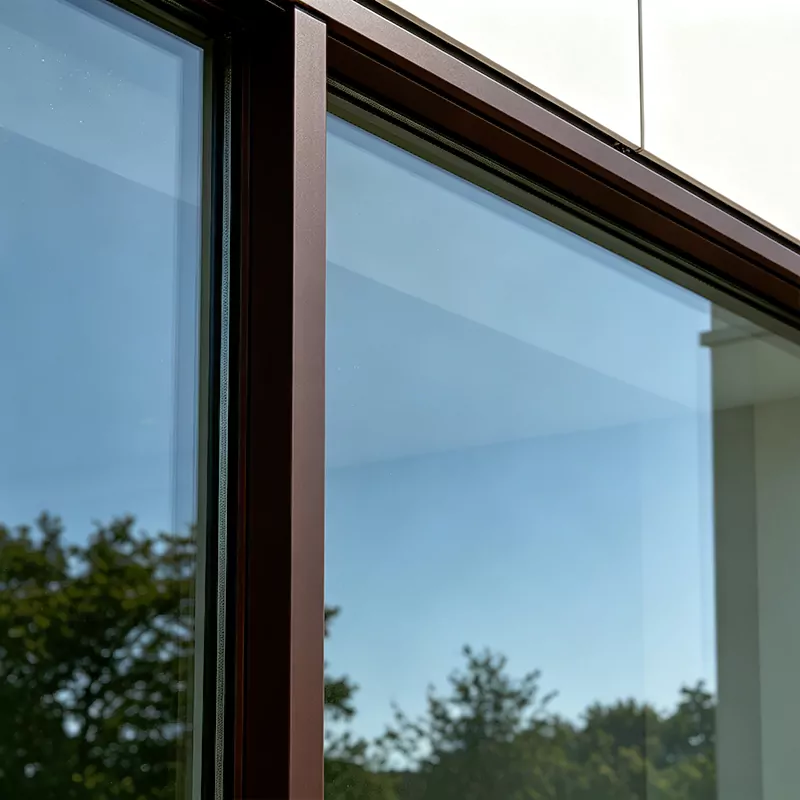
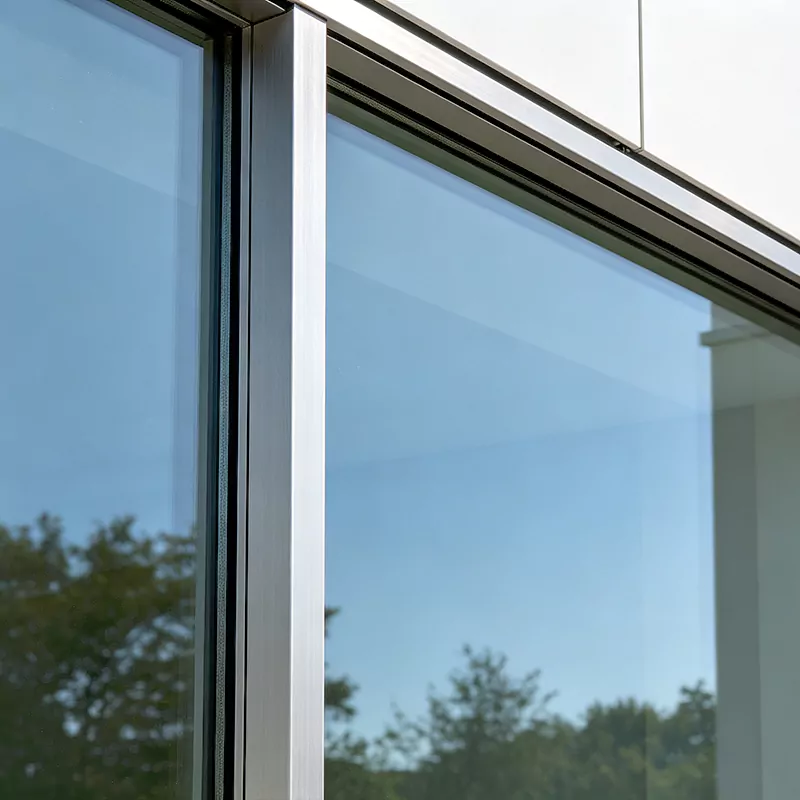
Frame Colors
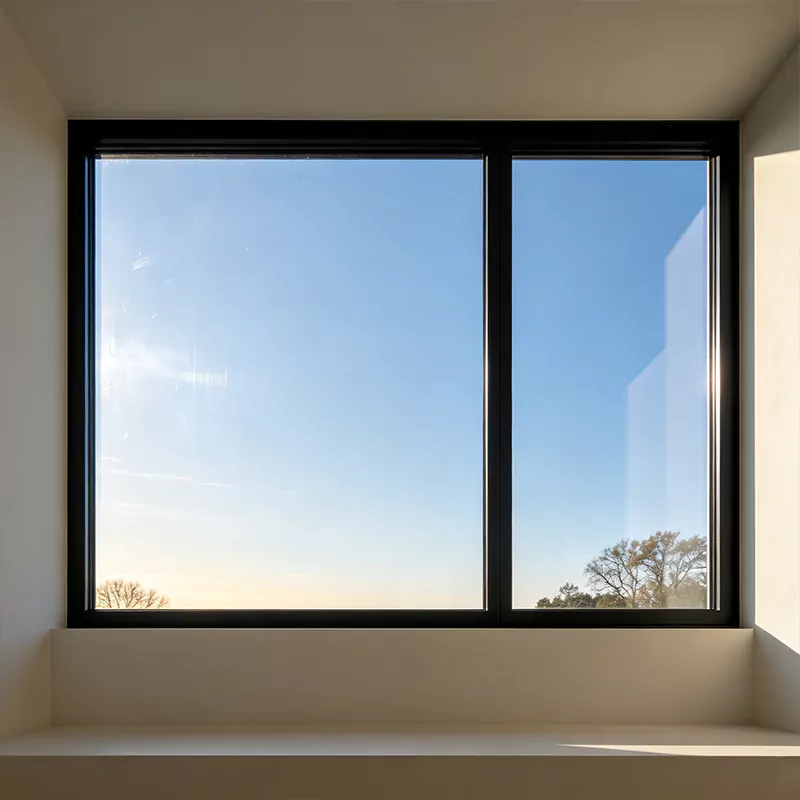
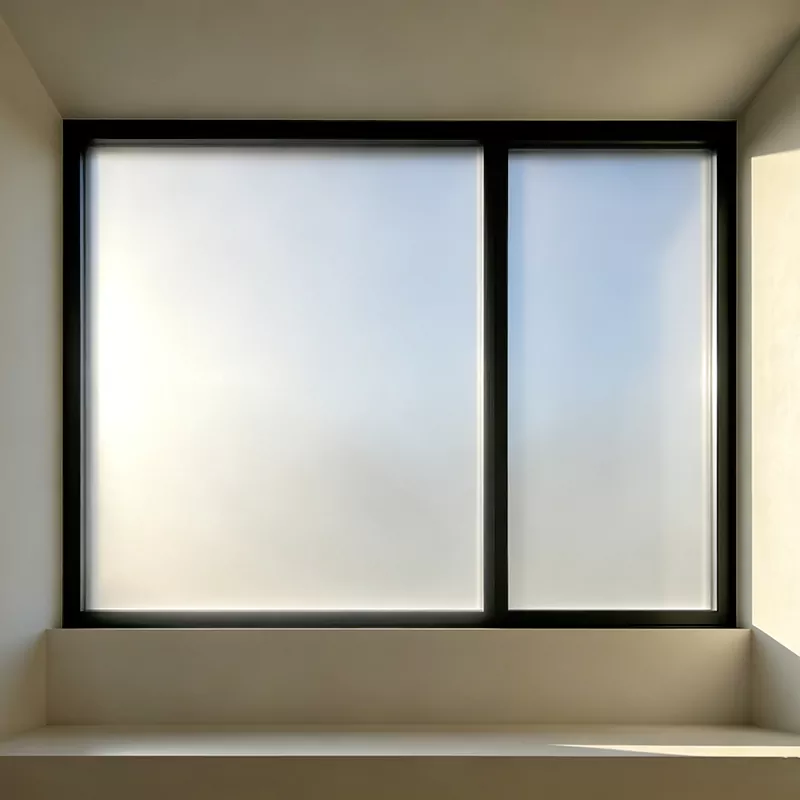
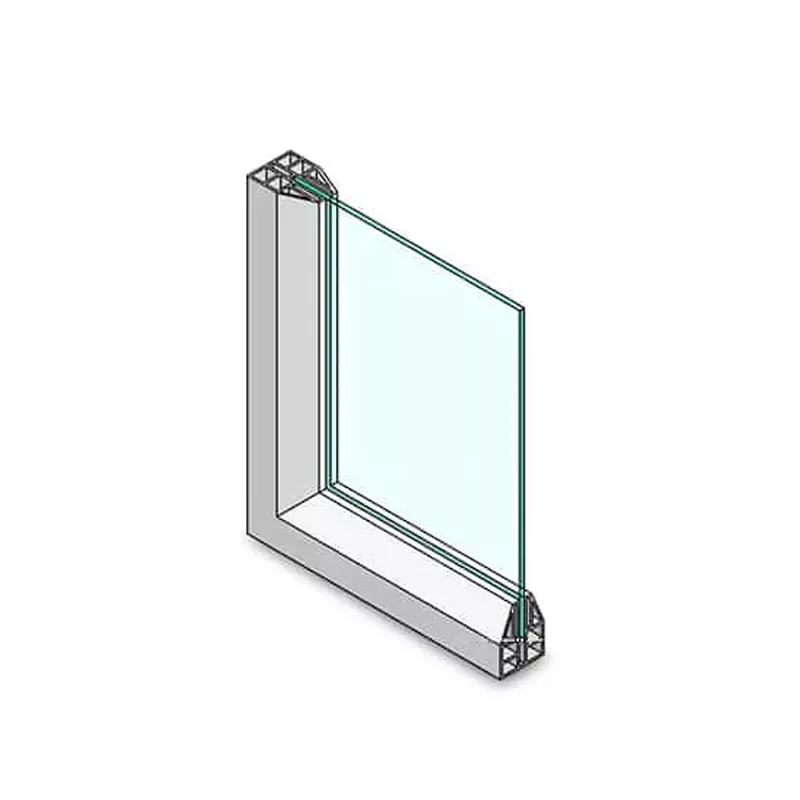
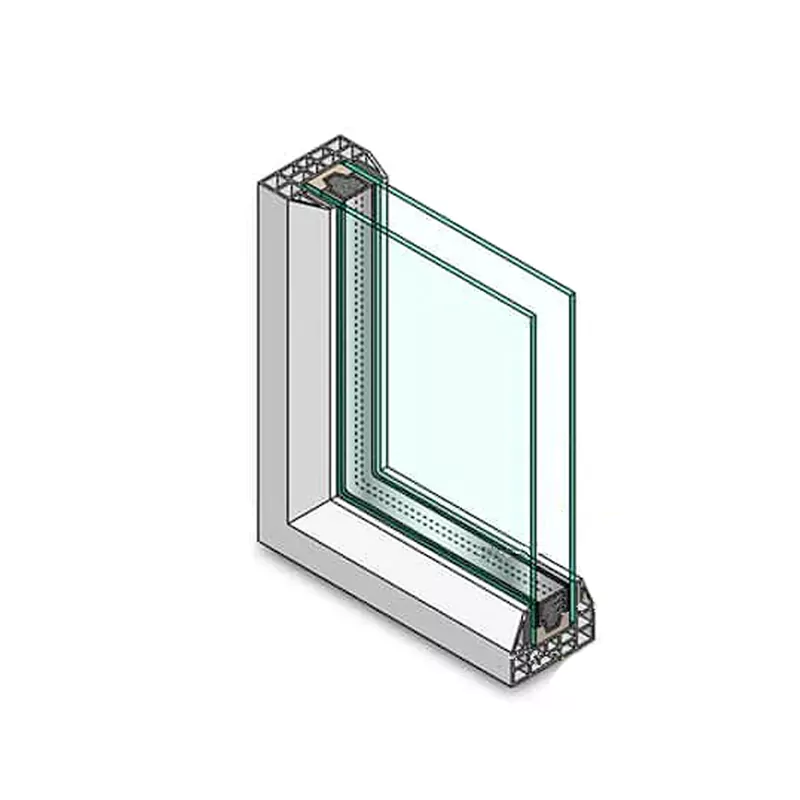
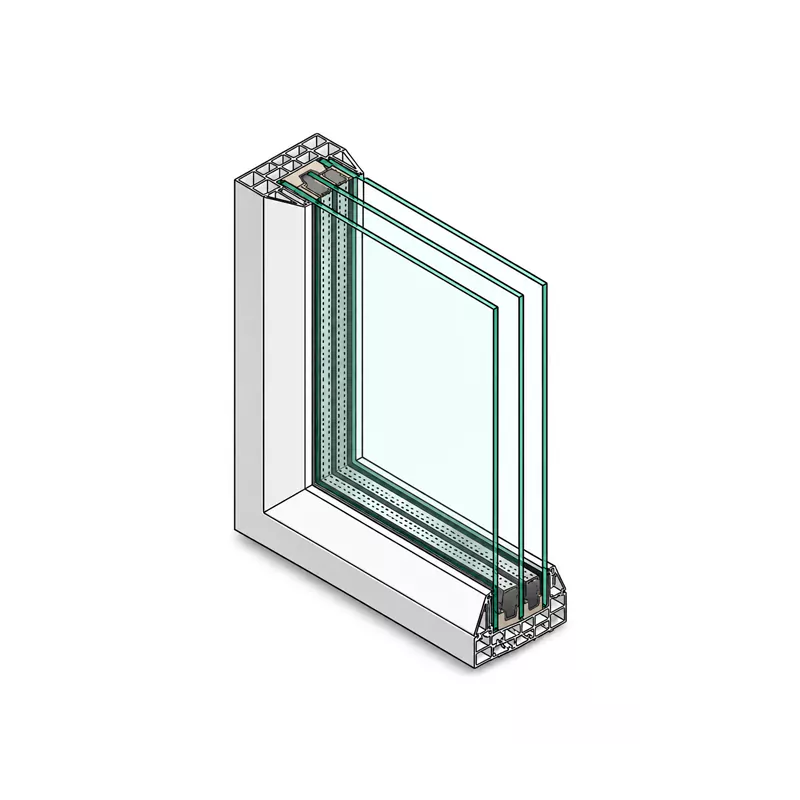
Glass Options
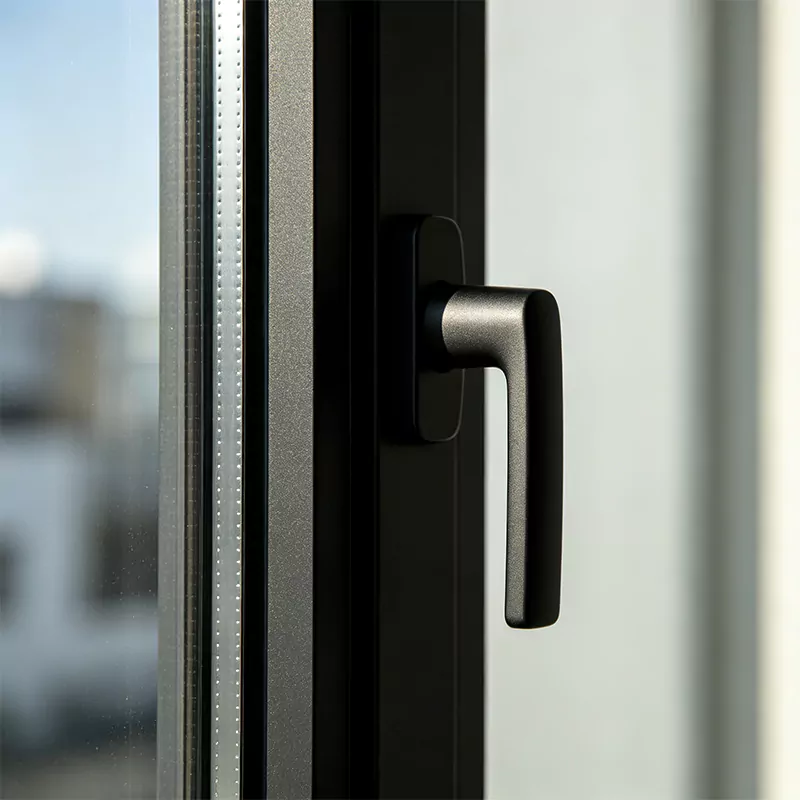
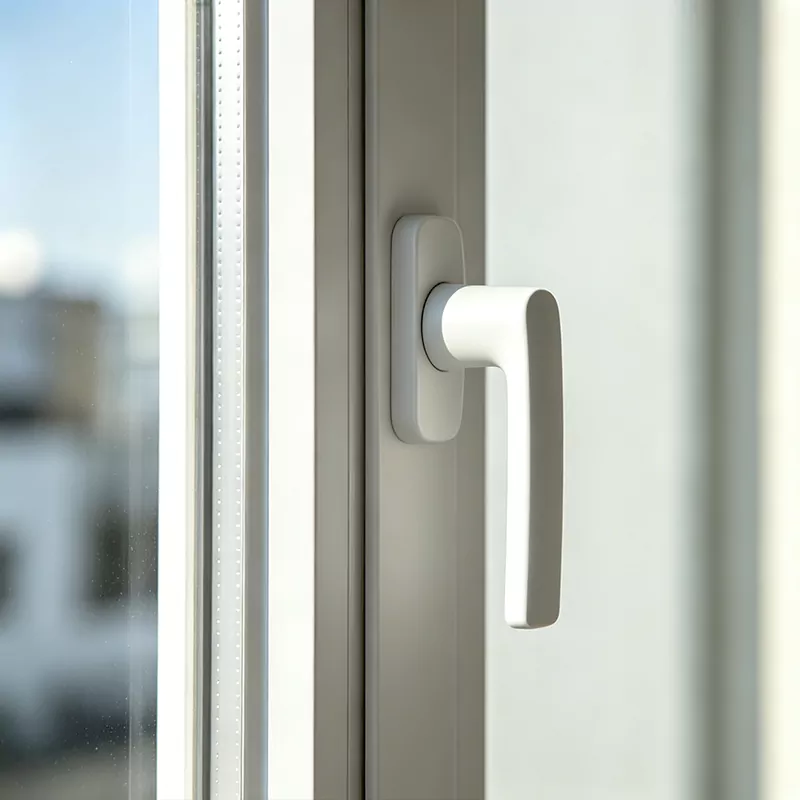
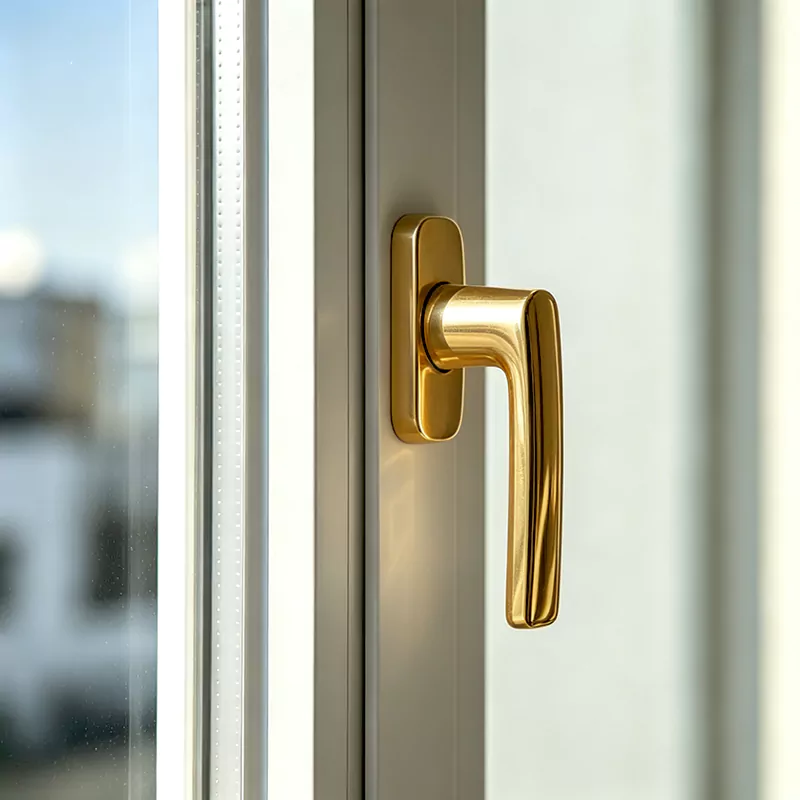
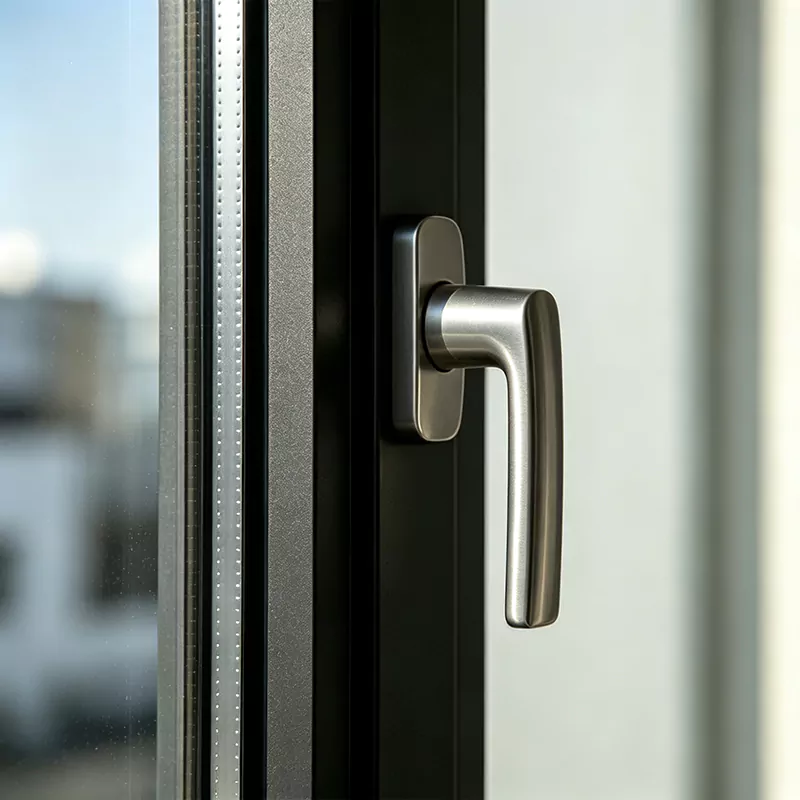
Hardware
Grilles & Grid Patterns
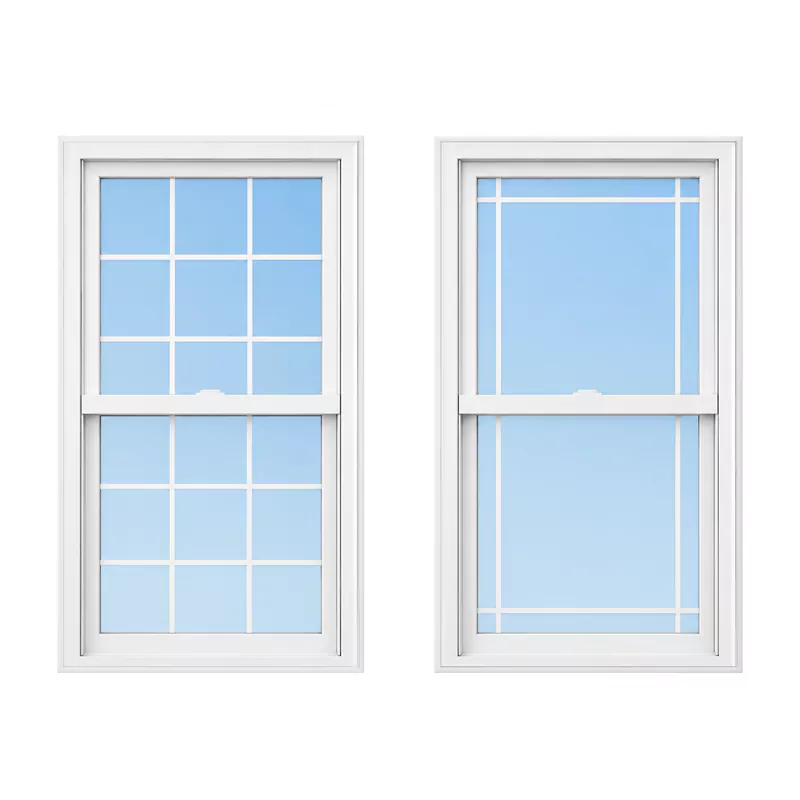
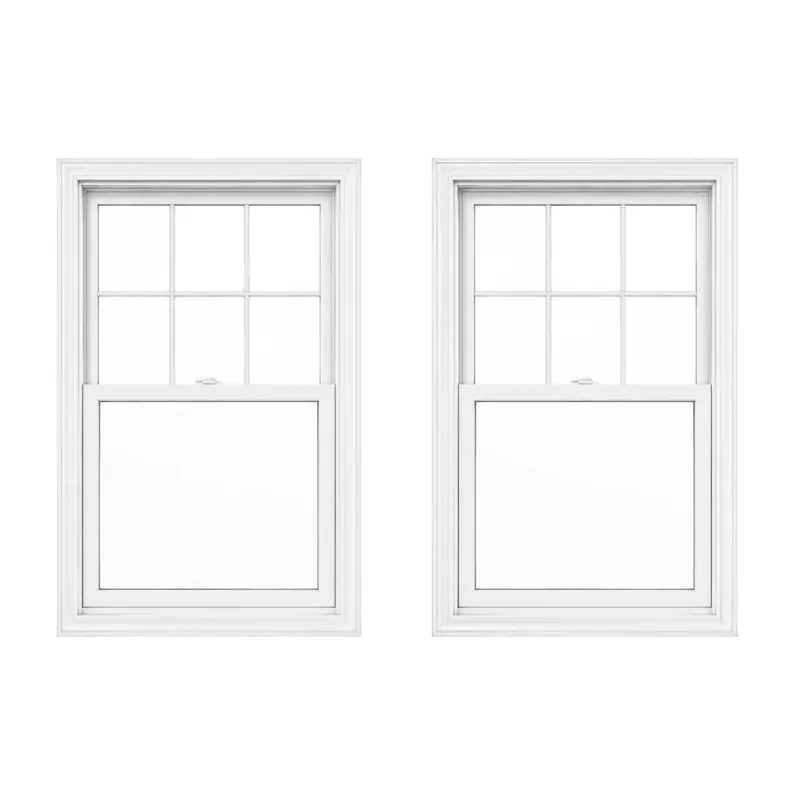
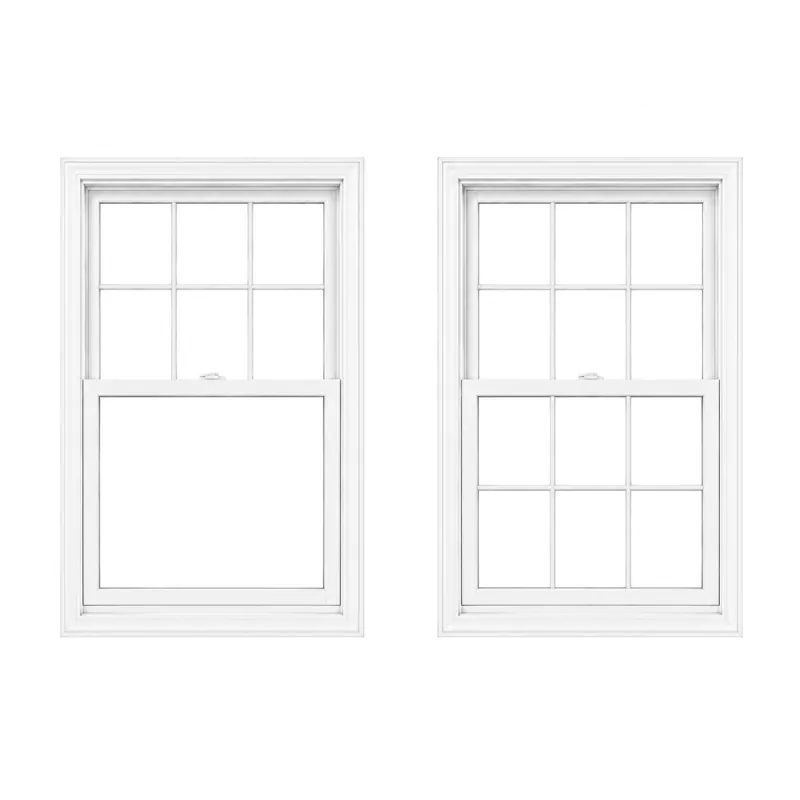
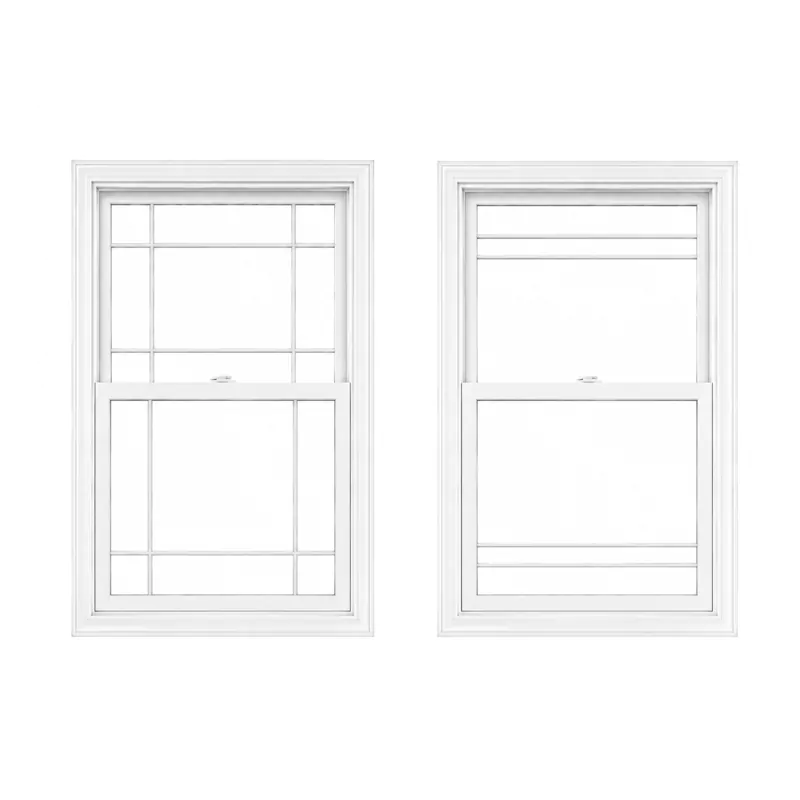
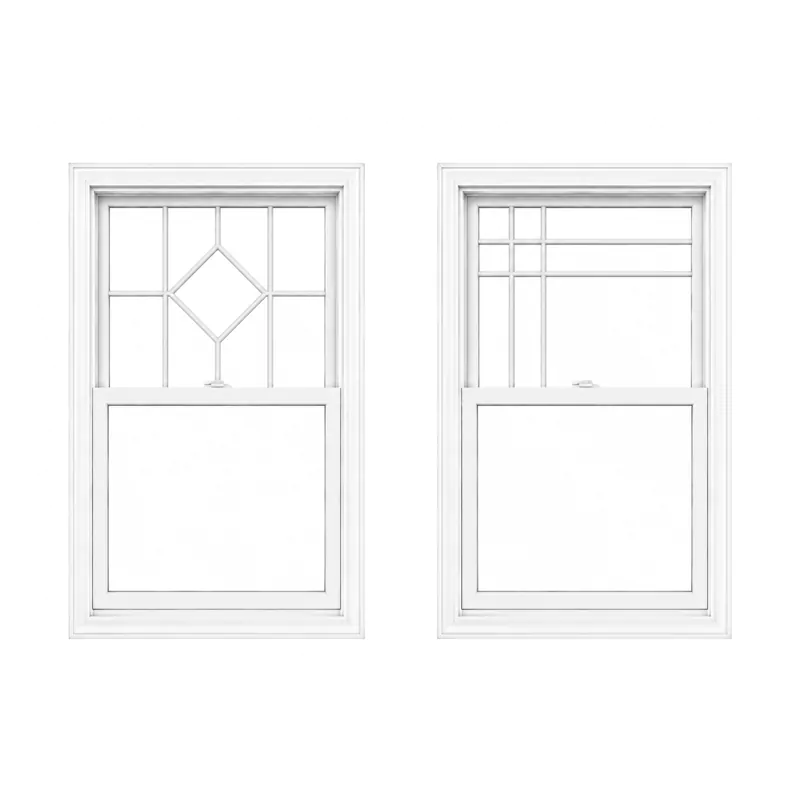
Have a specific specification? Send us your drawings, dimensions, or requirements, and we'll develop a window configuration around your project.
Aluminum Casement Window Specifications
Specification | Options |
Frame Material | Aluminum |
Frame Type | Thermal / Non-Thermal* |
Glazing | Single / Double / Triple* |
Glass | Clear / Low-E / Tempered / Laminated* |
Operation | Casement / Fixed + Casement* |
Configuration | LH / RH / Custom* |
Finish | Anodized / Powder Coated / Custom* |
Why Choose Aluminium Over UPVC?
Aluminum offers a stronger and more versatile frame solution for projects that prioritize slim profiles, larger glazing areas, and long-term performance.
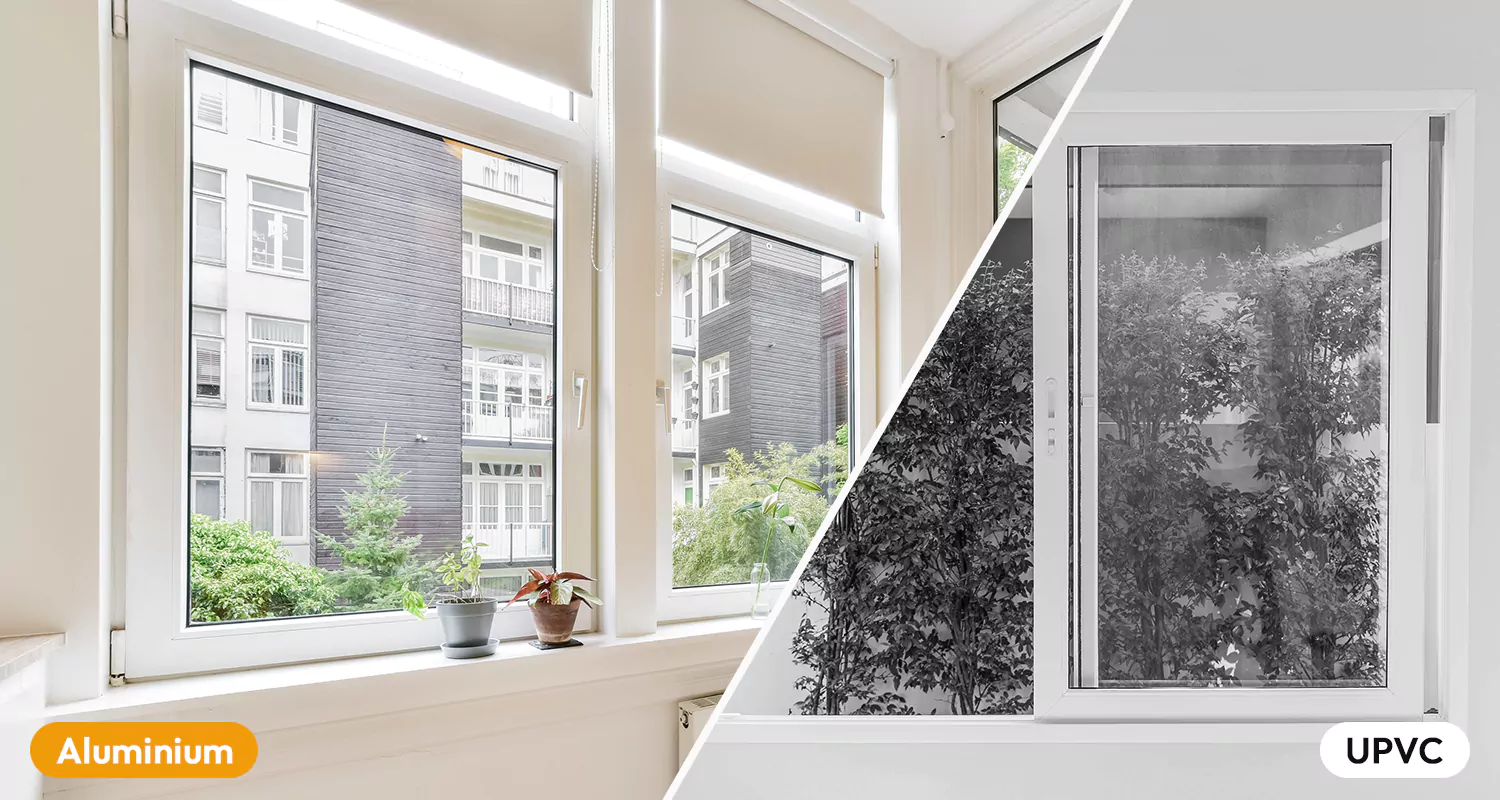
Aluminum’s higher structural strength allows slimmer frames and larger glass areas, bringing more natural light and cleaner sightlines.
Aluminum can support larger and heavier glazing with less bulky framing, making it suitable for contemporary and architectural projects.
We strive to innovate when it comes to functionality. Our mission is to be the best, come and join the ride.
Quality aluminum frames resist warping, rot, and degradation, providing reliable performance over long service periods.
Modern thermal-break aluminum systems reduce heat transfer through the frame and can achieve strong thermal performance when combined with suitable glazing.
Slim sightlines, large glazing areas, and flexible finishes make aluminum a natural choice for contemporary residential and commercial buildings.
Production Process of Aluminum Casement Window
Every Delanshini aluminum windows and doors are crafted through a rigorous, precision-controlled production process to ensure superior quality and long-lasting performance.
Why Delanshini?

Decades of engineering experience

High-quality raw materials and German-level craftsmanship

Reliable supply for large-scale and custom projects

Technical support and OEM/ODM service
Ready to elevate your next project?
Get in touch with our experts to discuss your design goals and find the aluminum windows solution tailored to your specifications.
FAQ
Casement windows seal tightly against the frame when closed, helping reduce air leakage and improve insulation performance compared to some sliding window systems.
Yes. Casement windows generally provide better sealing performance because the sash closes tightly with compression seals.
High-quality aluminum casement windows can be designed with reinforced frames, impact-resistant glass, and advanced locking systems to improve wind resistance and storm performance.
Well-manufactured aluminum casement windows can last for decades with proper installation and maintenance due to aluminum’s strength and corrosion resistance.
Yes. Their slim frames, large glass areas, and clean lines make aluminum casement windows highly popular in modern residential architecture.
Casement windows require clearance space for opening outward, and oversized panels may require stronger hardware systems. However, they offer excellent ventilation and sealing performance.