
When planning a new build or renovation project, choosing the right window style is crucial for both function and design. Two of the most commonly confused types are the aluminum swing window and the aluminum casement window. While they may look similar, their structure and operation can significantly impact your space.
In this article, we’ll break down the key differences between aluminum swing and casement windows to help you make the best choice for your project.
What Is an Aluminum Swing Window?
An aluminum swing window refers to any window that opens on a hinge—either inward or outward—by swinging open like a door. Swing windows can open vertically or horizontally, and are often chosen for their simplicity and ease of operation.
They are typically operated by a handle and can open either inward (inside swing) or outward (outside swing), depending on the installation preference. Aluminum frames add a clean, modern look and provide strength, durability, and resistance to corrosion.
What Is an Aluminum Casement Window?
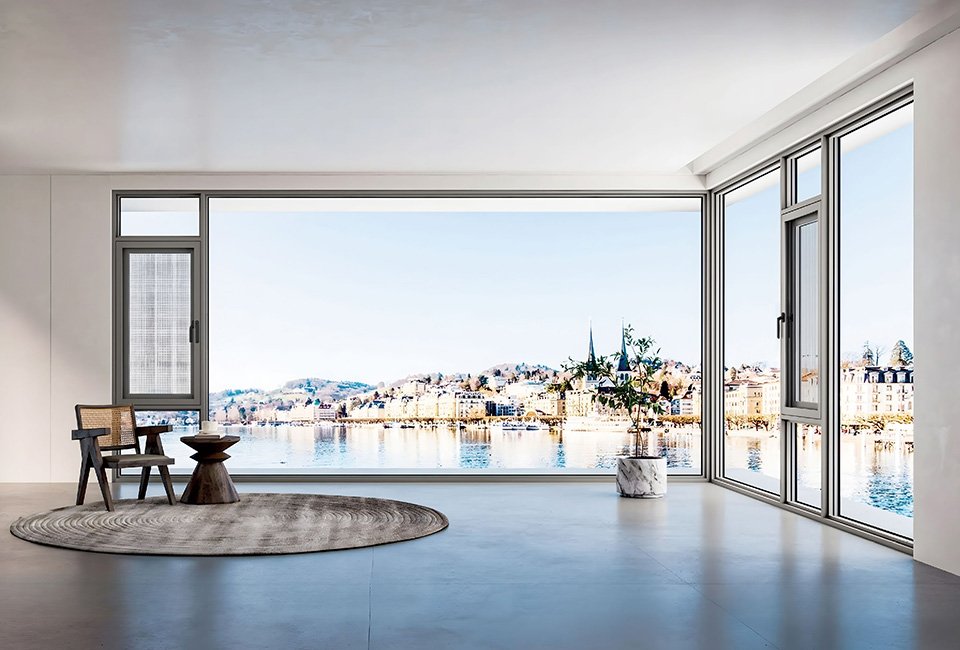
An aluminum casement window is technically a type of swing window, but the term “casement” usually refers to side-hinged windows that open outward with the help of a crank or handle. They open like a door and are hinged at the side, offering excellent ventilation and full top-to-bottom airflow.
Casement windows are tightly sealed when closed, making them one of the most energy-efficient window styles available.
Key Differences Between Swing and Casement Windows
| Feature | Aluminum Swing Window | Aluminum Casement Window |
|---|---|---|
| Hinge Position | Hinges may be at side, top, or bottom | Hinges always on the side |
| Opening Style | Swings inward or outward, by push or pull | Swings outward, often operated by a crank |
| Operation Method | Manual push/pull or handle | Typically crank handle |
| Ventilation | Good ventilation | Excellent, maximum ventilation |
| Common Use | Bathrooms, stairwells, basements | Living rooms, kitchens, bedrooms |
| Sealing Performance | Good | Very tight seal – high energy efficiency |
| Design Flexibility | More diverse configurations | More limited but better for large glass panels |
Which One Should You Choose?
Choose a swing window if:
- You prefer an inward-opening design for easier cleaning or safety on upper floors.
- You’re looking for a cost-effective, manually operated window without crank mechanisms.
- Your project includes smaller spaces or utility areas like bathrooms or stairwells.
Choose a casement window if:
- You want excellent ventilation and airtight sealing.
- You’re aiming for a modern, energy-efficient design.
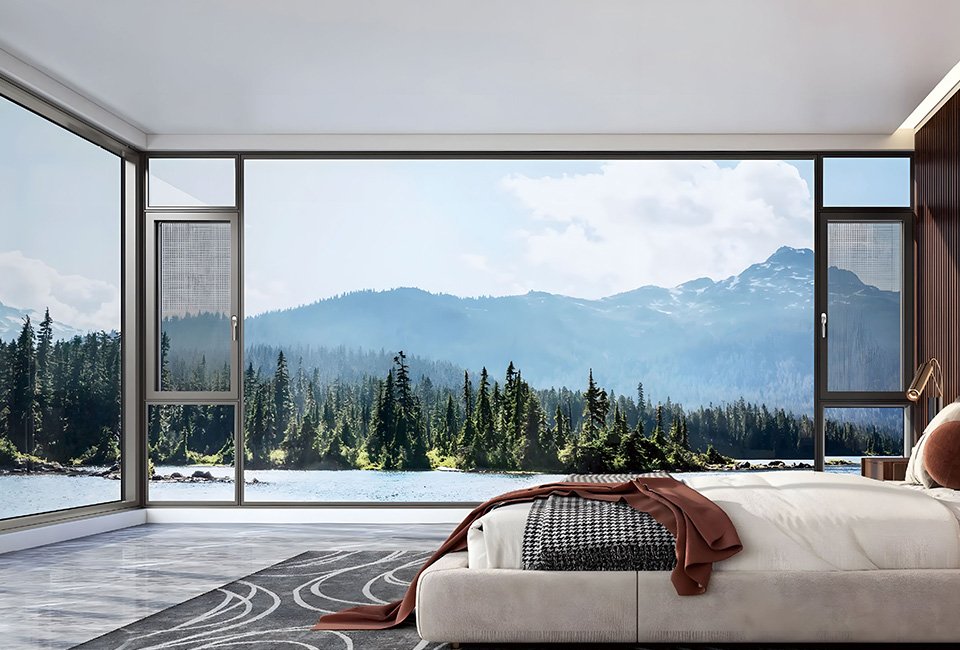
- You prefer a sleek look with uninterrupted views through large glass panels.
Custom Aluminum Windows by Delanshini
At Delanshini Doors and Windows, we specialize in manufacturing high-quality aluminum swing windows and aluminum casement windows that meet the demands of both residential and commercial clients. Whether you’re seeking energy-efficient performance, elegant design, or full customization for your brand, our OEM/ODM services are here to support your goals.
We offer:
- Custom frame colors and glass options
- Inward or outward swing styles
- Crank, friction hinge, or push-open mechanisms
- Export support and professional engineering consultation
Get a quote today at wang@gddlsn.com
FAQ
What is the difference between a swing window and a casement window?
A swing window is a general term for windows that open inward or outward on hinges, while a casement window is a specific type of side-hinged swing window. In many cases, casement windows are considered a type of swing window.
Are casement windows the same as swing windows?
Not exactly. Casement windows are one category of swing windows, but the term “swing window” may also include other hinged window styles such as top-hinged or inward-opening systems.
Which is better: aluminum swing windows or casement windows?
Both offer excellent ventilation and modern appearance, but aluminum casement windows are generally preferred for better sealing performance, energy efficiency, and weather resistance.
Do casement windows provide better ventilation than sliding windows?
Yes. Casement windows can open fully, allowing more fresh air into the room compared to sliding windows, which only open partially.
Are aluminum casement windows more energy efficient?
Yes. Aluminum casement windows typically provide better airtight sealing because the sash presses tightly against the frame when closed. This helps reduce air leakage and improve insulation performance.
Which window style is better for modern homes?
Aluminum casement windows are more commonly used in modern homes because of their slim frames, clean lines, and larger glass areas.
Can swing windows open inward and outward?
Yes. Swing windows can be designed as inward-opening or outward-opening systems depending on the project requirements and local market preferences.
Are aluminum casement windows secure?
Yes. High-quality aluminum casement windows can be equipped with multi-point locking systems, reinforced frames, and tempered or laminated safety glass for enhanced security.
What are the advantages of aluminum swing windows?
Aluminum swing windows offer strong ventilation, flexible opening options, durability, and modern aesthetics. They are suitable for both residential and commercial buildings.
What are the disadvantages of casement windows?
Casement windows require clearance space when opening outward or inward, and oversized panels may need stronger hardware systems. However, they offer excellent sealing and ventilation performance.
Are aluminum swing windows suitable for commercial buildings?
Yes. Aluminum swing windows are widely used in offices, hotels, apartments, schools, and commercial projects because of their durability and modern appearance.
Which is easier to maintain: swing windows or casement windows?
Both are relatively low-maintenance. Regular cleaning of the frames, glass, hinges, and hardware is usually enough to maintain smooth operation.
Casement & Swing Windows Focus
The Ultimate Guide to Aluminum Casement Windows: Design, Functionality, and Durability
The Ultimate Guide to Aluminum Casement Windows
Aluminum Swing Window vs. Casement Window: What’s the Difference?
Why Choose an Aluminum Crank Out Window for Modern Homes?
What Is an Aluminum Hinged Window? Benefits, Types, and Applications
How Much Does an Aluminum Casement Window Cost? [2025 Price Guide]
Choosing the Right Glass for Your Aluminum Casement Windows
How to Choose Between Sliding, Casement, and Swing Aluminum Windows
Aluminum Casement Windows for Commercial Buildings: Benefits and Applications
Soundproofing with Aluminum Casement Windows: A Quieter Home Environment
How Aluminum Casement Windows Enhance Home Security
Customizing Aluminum Casement Windows for Your Home
Energy Efficiency: How Aluminum Casement Windows Can Save You Money
Top 10 Benefits of Choosing Aluminum Casement Windows
6 Ways to Determine Which Direction a Casement Window Opens
How to Choose Energy-Efficient Casement Windows?
Are Aluminum Swing Windows Suitable for Cold Climates?