
The most common types of windows for homes include casement, double-hung, single-hung, sliding, awning, picture, bay, bow, hopper, garden, and specialty-shaped windows. Each window type offers different advantages in ventilation, energy efficiency, natural light, aesthetics, and ease of operation, making the best choice dependent on your home’s design, climate, and functional needs.
Windows do much more than provide daylight. They influence ventilation, indoor comfort, energy efficiency, curb appeal, and even property value. Understanding the differences between window styles can help homeowners, architects, and builders choose the right solution for each room and maximize long-term performance.
This guide explains the most popular types of windows, compares their strengths and limitations, and provides practical recommendations for different homes and applications.
What Are the Different Types of Windows?
Windows are typically classified by how they open and function rather than by their frame material or glass type.
Some windows are designed primarily for ventilation, while others maximize natural light or create a dramatic architectural feature.
The most common residential window types include:
- Casement Windows
- Single-Hung Windows
- Double-Hung Windows
- Sliding Windows
- Awning Windows
- Picture Windows
- Bay Windows
- Bow Windows
- Hopper Windows
- Garden Windows
- Specialty-Shaped Windows
Each style serves a different purpose and performs differently in terms of airflow, insulation, maintenance, and appearance.
Window Types Comparison at a Glance
| Window Type | Ventilation | Energy Efficiency | Best For |
|---|---|---|---|
| Casement | Excellent | Excellent | Bedrooms, living rooms, kitchens |
| Single-Hung | Good | Good | Budget-friendly homes |
| Double-Hung | Good | Good | Traditional homes |
| Sliding | Good | Good | Modern homes and wide wall openings |
| Awning | Good | Excellent | Bathrooms and basements |
| Picture | None | Excellent | Scenic views and living rooms |
| Bay | Good | Very Good | Living rooms and front elevations |
| Bow | Good | Very Good | Large exterior walls |
| Hopper | Good | Very Good | Basements |
| Garden | Moderate | Good | Kitchens |
| Specialty | Varies | Varies | Architectural designs |
Although every window type has its strengths, selecting the right one depends on how the space will be used and the level of ventilation, daylight, and energy efficiency you want to achieve.
11 Common Types of Windows
1. Casement Windows
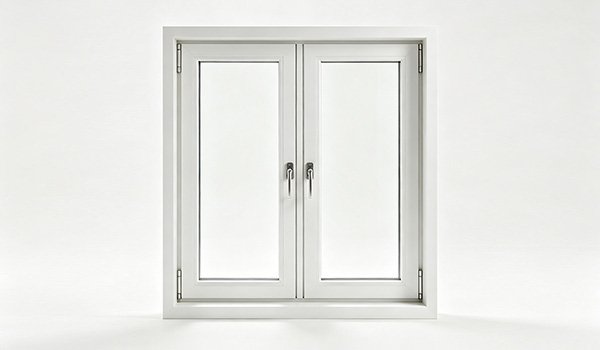
Casement windows are hinged on one side and open outward like a door using a crank handle.
Because the entire sash opens, they provide one of the largest unobstructed openings among operable windows.
Advantages
- Excellent ventilation
- Superior energy efficiency due to tight compression seals
- Easy operation
- Ideal for hard-to-reach locations such as above kitchen sinks
Limitations
- Require exterior clearance to open fully
- Hardware may require occasional maintenance
Best for: Bedrooms, kitchens, living rooms, and energy-efficient homes.
2. Single-Hung Windows
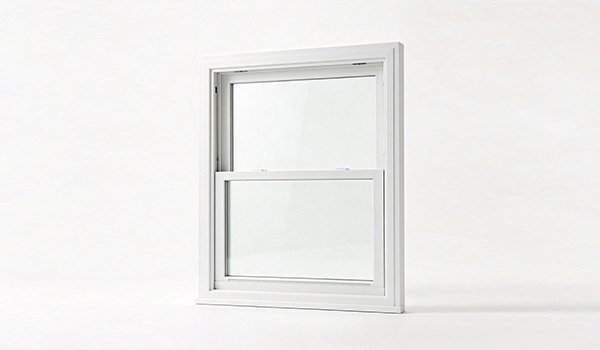
Single-hung windows feature a fixed upper sash while only the lower sash moves.
They are widely used in residential construction because of their affordability and simple design.
Advantages
- Cost-effective
- Easy to maintain
- Traditional appearance
- Good weather resistance
Limitations
- Limited ventilation
- Exterior cleaning can be more difficult on upper floors
Best for: Budget-conscious homeowners and traditional residential projects.
3. Double-Hung Windows
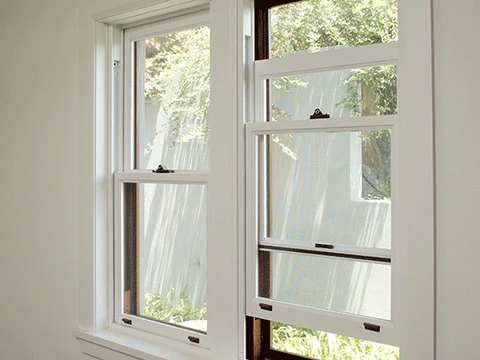
Double-hung windows allow both the upper and lower sashes to move independently.
This design offers greater flexibility for ventilation and easier cleaning compared with single-hung windows.
Advantages
- Improved airflow
- Easy cleaning (many models feature tilt-in sashes)
- Classic architectural appearance
- Suitable for most home styles
Limitations
- Slightly more expensive than single-hung windows
- More moving components
Best for: Traditional, colonial, and family homes.
4. Sliding Windows
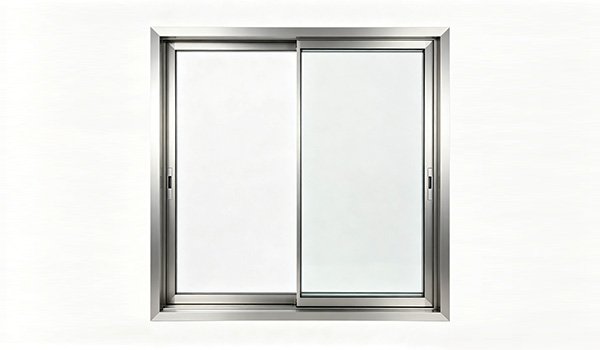
Sliding windows operate horizontally along a track instead of opening inward or outward.
They are especially suitable for wide wall openings where vertical space is limited.
Advantages
- Smooth operation
- Minimal maintenance
- Wide viewing area
- Contemporary appearance
Limitations
- Only one or two panels open
- Tracks require periodic cleaning
Best for: Modern homes, patios, and rooms with wide exterior walls.
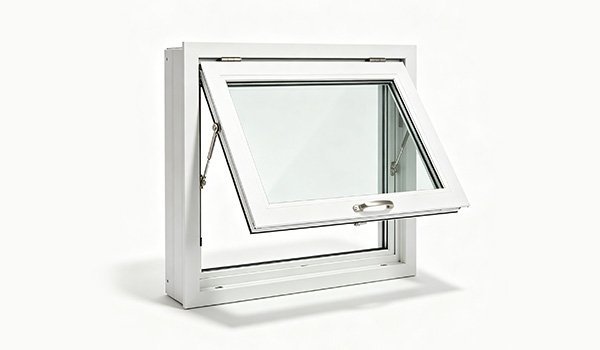
5. Awning Windows
Awning windows are hinged at the top and open outward from the bottom.
Because the sash acts like a small roof, they can often remain open during light rain.
Advantages
- Excellent weather protection
- Good ventilation
- High energy efficiency
- Compact design
Limitations
- Limited emergency escape capability
- May obstruct exterior walkways when open
Best for: Bathrooms, basements, and kitchens.
6. Picture Windows
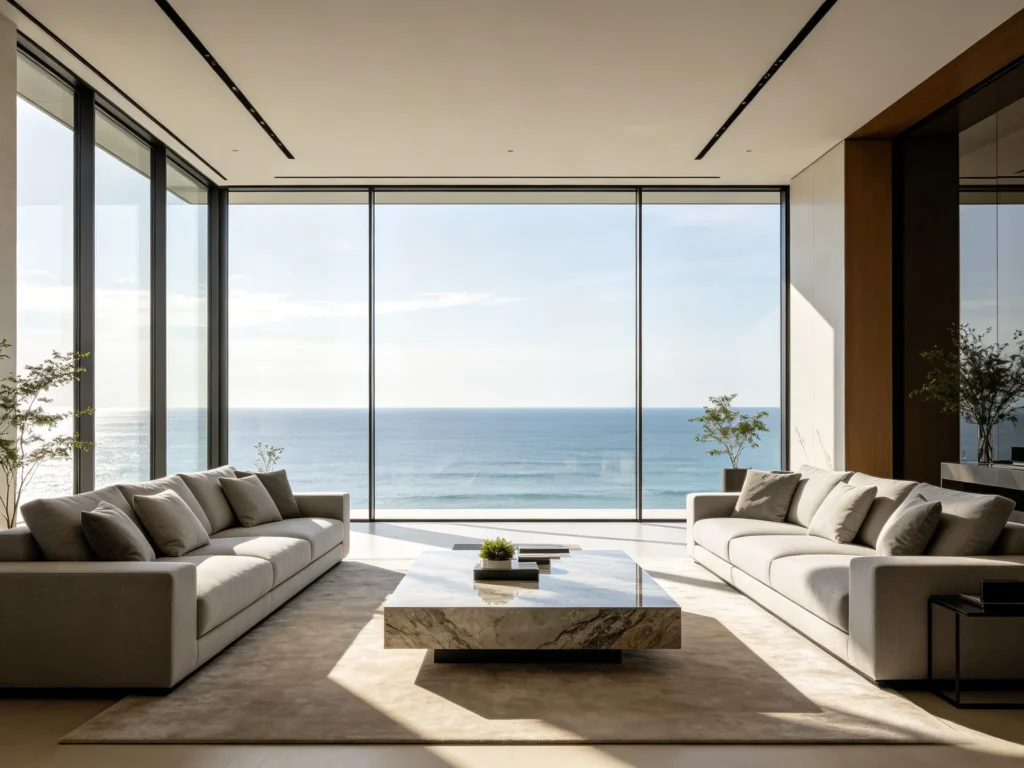
Picture windows are fixed units that do not open.
Their primary purpose is to maximize natural light and provide unobstructed outdoor views.
Advantages
- Exceptional energy efficiency
- Expansive views
- Maximum daylight
- Minimal maintenance
Limitations
- No ventilation
- Usually combined with operable windows nearby
Best for: Living rooms, stairwells, and homes with scenic surroundings.
7. Bay Windows
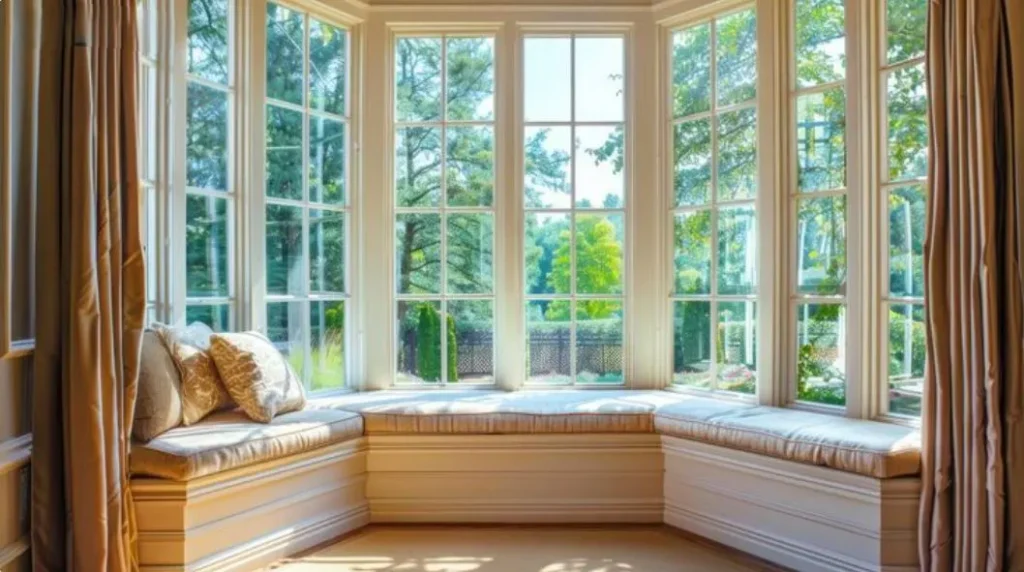
Bay windows project outward from the exterior wall and usually consist of three connected window units.
They create additional interior space while increasing natural light from multiple directions.
Advantages
- Adds architectural character
- Creates extra seating or storage space
- Increases natural light
- Enhances property value
Limitations
- Higher installation cost
- More complex construction
Best for: Living rooms, dining rooms, and front-facing elevations.
8. Bow Windows
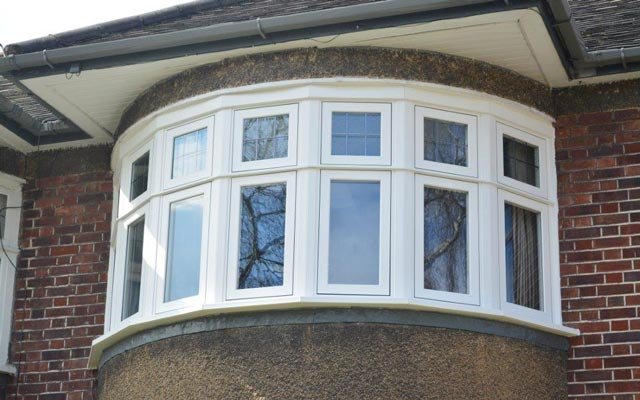
Bow windows resemble bay windows but typically consist of four or more connected window panels arranged in a gentle curve.
They create a softer architectural appearance and provide panoramic views.
Advantages
- Elegant appearance
- Wider viewing angle
- Excellent daylight
- Increased interior space
Limitations
- Higher material and installation costs
- Requires sufficient exterior wall space
Best for: Large living areas and homes with traditional or luxury architectural styles.
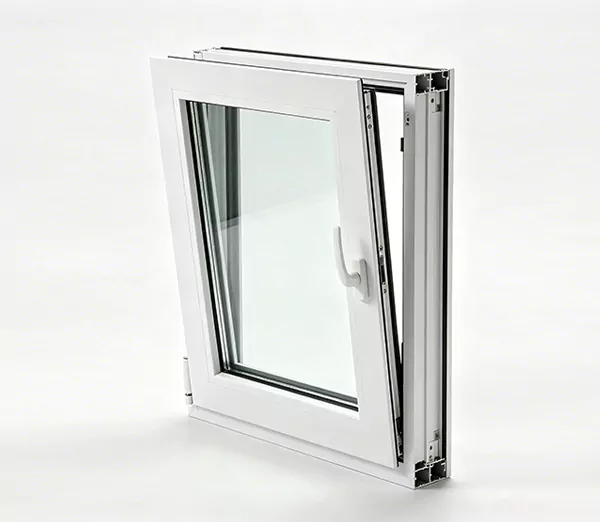
9. Hopper Windows
Hopper windows are hinged at the bottom and open inward from the top.
Their compact size makes them ideal for spaces where larger windows are impractical.
Advantages
- Good ventilation
- Strong weather resistance when closed
- Compact design
- High energy efficiency
Limitations
- Limited viewing area
- Can occupy interior space when open
Best for: Basements, utility rooms, laundry rooms, and bathrooms.
10. Garden Windows
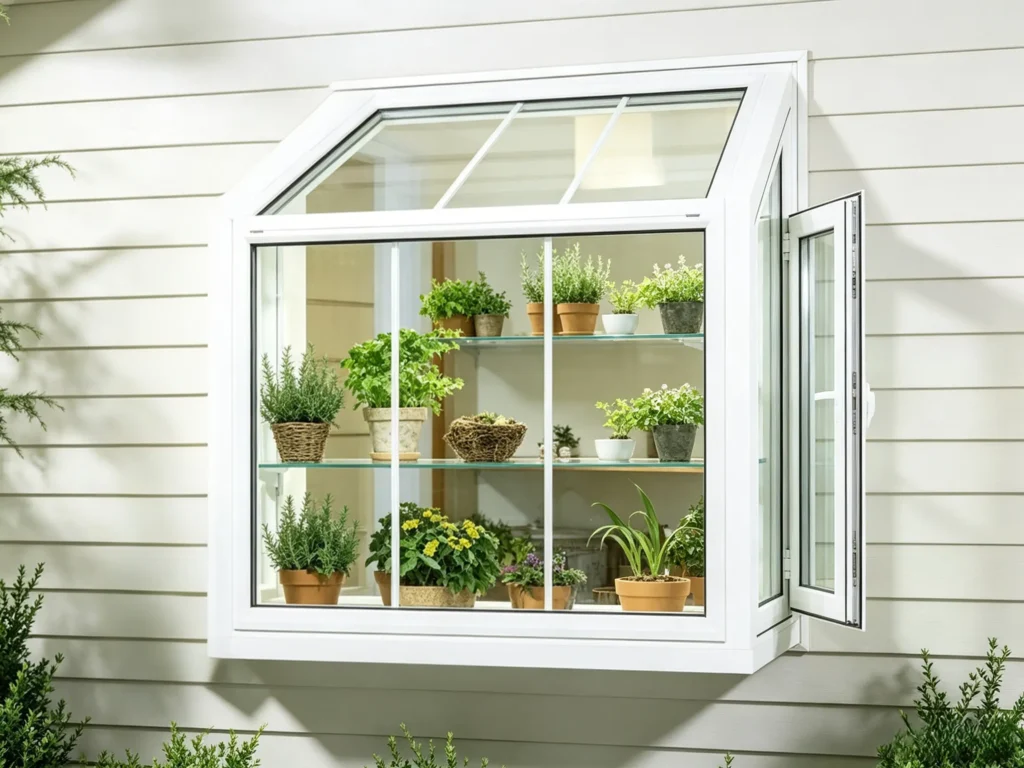
Garden windows extend outward from the exterior wall to create a small shelf-like structure with glass on multiple sides.
They are designed to maximize sunlight and provide additional interior space.
Advantages
- Excellent natural light
- Extra space for herbs or decorative plants
- Attractive architectural feature
- Improved kitchen aesthetics
Limitations
- Higher installation cost
- More complex construction than standard windows
Best for: Kitchens and breakfast areas.
11. Specialty-Shaped Windows
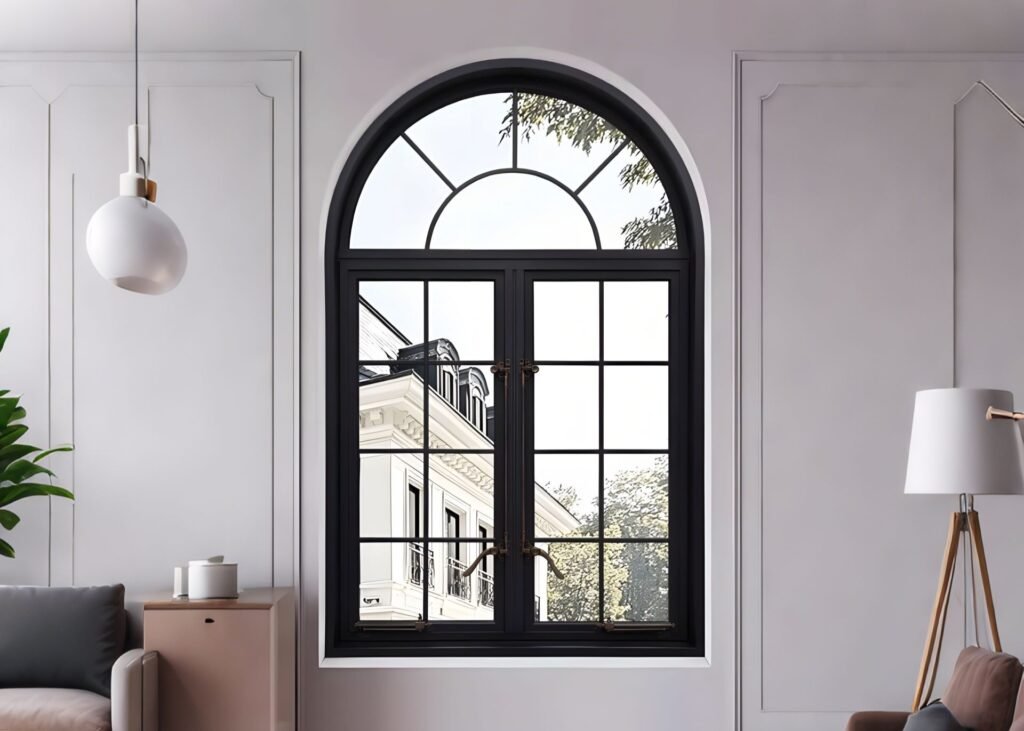
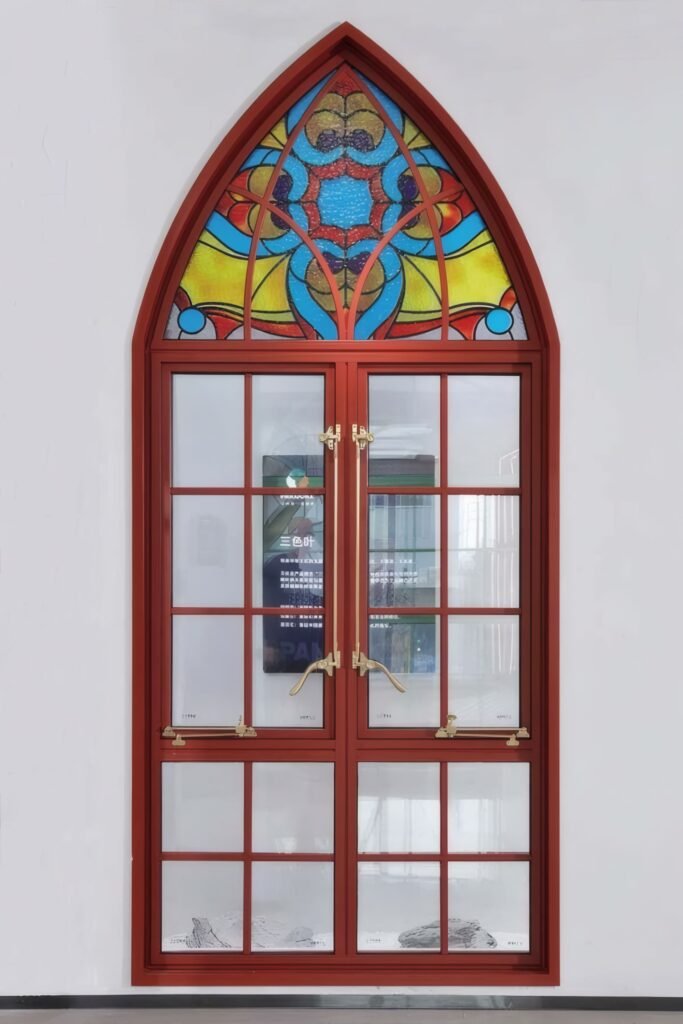
Specialty windows are custom-designed in shapes such as circles, arches, triangles, trapezoids, or other geometric forms.
Most are fixed windows used to complement a home’s architectural design.
Advantages
- Unique appearance
- Increased curb appeal
- Flexible design options
- Can enhance natural lighting
Limitations
- Higher manufacturing costs
- Longer production times
- Limited ventilation if non-operable
Best for: Custom homes and distinctive architectural projects.


Best Types of Windows for Different Rooms
The ideal window depends not only on its design but also on the function of the room where it will be installed.
Kitchen
Kitchens benefit from windows that are easy to operate and provide effective ventilation.
Recommended options:
- Casement windows
- Sliding windows
- Garden windows
These styles help remove cooking odors, moisture, and heat while allowing plenty of natural light.
Bathroom
Bathrooms require both ventilation and privacy.
Recommended options:
- Awning windows
- Hopper windows
- Frosted-glass windows
These window types improve airflow while maintaining privacy.
Bedroom
Bedrooms should balance ventilation, energy efficiency, and emergency egress where required by local building codes.
Recommended options:
- Casement windows
- Double-hung windows
Both provide good airflow, while casement windows often offer larger clear openings for emergency escape.
Living Room
Living rooms usually prioritize daylight and outdoor views.
Recommended options:
- Picture windows
- Bay windows
- Bow windows
These styles maximize natural light and create a more open, inviting atmosphere.
Basement
Basements often require windows that provide ventilation while complying with emergency escape requirements.
Recommended options:
- Hopper windows
- Casement egress windows
Always verify local building code requirements for basement egress windows before installation.
Best Types of Windows for Different House Styles
Window design should complement the architectural style of your home.
Modern Homes
Modern architecture typically emphasizes clean lines, expansive glass, and minimalist design.
Recommended window types include:
- Sliding windows
- Picture windows
- Large casement windows
These styles create a sleek appearance and maximize natural light.
Traditional Homes
Traditional homes often feature balanced proportions and timeless architectural details.
Recommended window types include:
- Double-hung windows
- Bay windows
- Bow windows
These options preserve the classic character of the home while offering reliable performance.
Farmhouse Homes
Farmhouse-style homes combine simplicity with functionality.
Recommended window types include:
- Double-hung windows
- Casement windows
- Picture windows
These designs complement farmhouse architecture while providing excellent ventilation and daylight.
Contemporary Homes
Contemporary homes often combine modern aesthetics with energy-efficient design.
Recommended options include:
- Casement windows
- Sliding windows
- Picture windows
These window styles pair well with large glass areas and open floor plans.
How to Choose the Right Window Type
Selecting the right window involves more than choosing a style that looks attractive.
Consider the following factors before making your decision.
Ventilation
If maximizing airflow is a priority, casement and double-hung windows generally provide better ventilation than fixed windows.
Energy Efficiency
Well-sealed operable windows and fixed picture windows often offer excellent thermal performance when combined with energy-efficient glazing and quality frame materials.
Natural Light
Picture, bay, and bow windows maximize daylight and create a more open interior.
Maintenance
Sliding and picture windows typically require less maintenance due to their simple operating mechanisms.
Double-hung windows with tilt-in sashes can also simplify cleaning, especially on upper floors.
Budget
Single-hung and sliding windows are often among the most economical options, while bay, bow, and specialty-shaped windows generally involve higher material and installation costs.
Climate
Homes in colder or hotter climates benefit from energy-efficient glazing, insulated frames, and high-performance window systems regardless of the window style selected.
Final Thoughts
There is no single window type that is ideal for every home. The best choice depends on your home’s architectural style, local climate, budget, ventilation needs, and design preferences.
For homeowners seeking maximum energy efficiency and ventilation, casement windows are often one of the strongest options. Those looking for a timeless appearance may prefer double-hung windows, while picture windows excel at bringing in natural light and showcasing outdoor views. For creating architectural interest, bay and bow windows remain popular choices.
By understanding how different window styles perform and where they work best, you can select windows that improve comfort, enhance curb appeal, and provide lasting value for years to come.
Not sure which window type is right for your project? Contact us at wang@gddlsn.com for expert guidance, customized window solutions, and a competitive quote tailored to your needs.
FAQs
The most common residential window types include casement, single-hung, double-hung, sliding, awning, picture, bay, bow, hopper, garden, and specialty-shaped windows.
Fixed picture windows are generally the most energy efficient because they do not open and therefore have fewer opportunities for air leakage. Among operable windows, casement windows are widely regarded as one of the most energy-efficient options due to their compression-seal design.
Casement windows typically provide the best ventilation because the entire sash opens and can help direct outdoor breezes into the home. Double-hung and sliding windows also offer good airflow but with different operating characteristics.
Sliding windows, picture windows, and large casement windows are popular choices for modern homes because they complement contemporary architecture with clean lines, expansive glass, and abundant natural light.
Sliding, awning, and casement windows are often well suited to smaller rooms because they provide effective ventilation without requiring large interior clearances. The best option depends on the available wall space and the room’s function.