
Sliding glass doors are one of the most popular choices for patios, balconies, and modern living spaces because they provide large glass areas, natural light, and smooth indoor-outdoor transitions. However, many homeowners and builders focus only on width and height while overlooking another important factor: door thickness.
Understanding standard sliding glass door thickness is important for durability, insulation, security, and proper installation.
What Is Sliding Glass Door Thickness?
Sliding glass door thickness refers to several different components of the door system, including:
- Door panel thickness
- Glass thickness
- Frame thickness
- Overall door system depth
Each plays a role in the door’s strength, insulation, and performance.
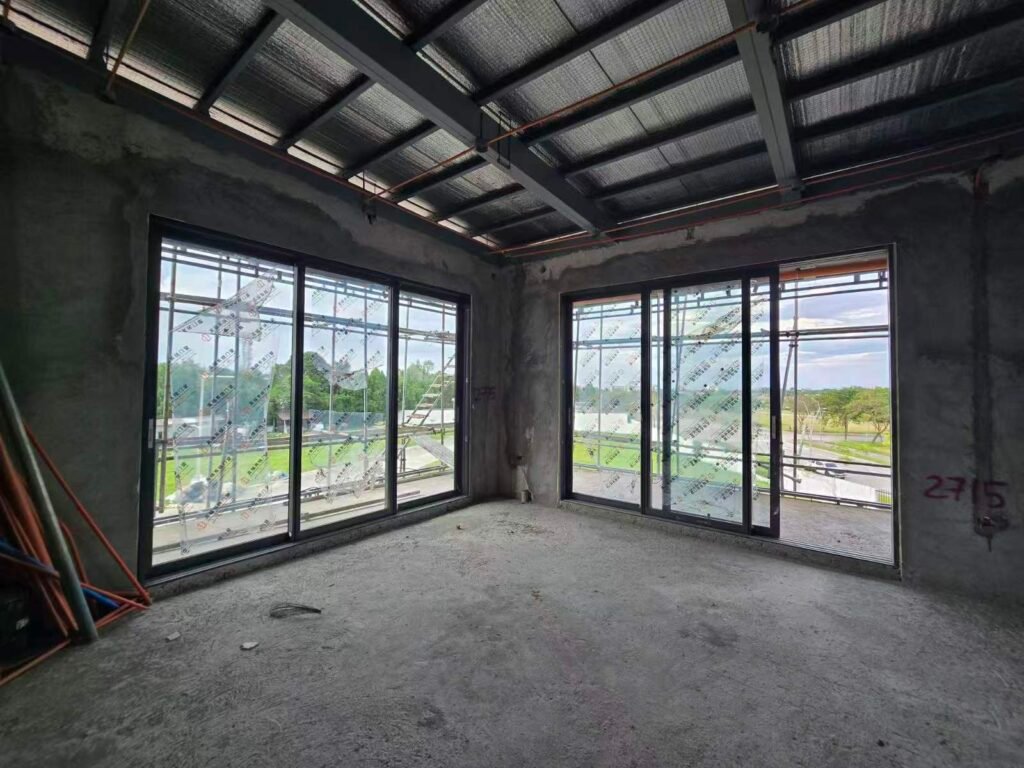
Standard Sliding Glass Door Panel Thickness
Most residential sliding glass door panels are commonly available in the following thicknesses:
| Door Type | Standard Panel Thickness |
|---|---|
| Interior Sliding Door | 1-3/8″ |
| Standard Exterior Sliding Door | 1-3/4″ |
| Heavy-Duty Sliding Door | 2″ or more |
Exterior sliding doors are usually thicker because they must provide better insulation, weather resistance, and structural strength.
Standard Sliding Glass Thickness
The glass itself also comes in different thickness options.
Common Glass Thicknesses
| Glass Type | Common Thickness |
|---|---|
| Single Glass | 1/8″ – 1/4″ |
| Tempered Glass | 1/4″ |
| Double-Glazed Glass | 1/2″ – 1″ overall unit |
| Laminated Glass | Varies by security requirement |
Most modern exterior sliding glass doors use tempered double-glazed glass for better energy efficiency and safety.
Standard Frame Thickness
The frame depth depends on the wall construction and door system design.
Common Frame Depths
| Wall Type | Typical Frame Depth |
|---|---|
| Interior Wall | 4-9/16″ |
| Exterior Wall | 6-9/16″ |
Larger or high-performance sliding systems may use deeper aluminum frames.
Why Door Thickness Matters
Door thickness affects more than just appearance.
Strength and Durability
Thicker door panels are generally stronger and more stable, especially for large sliding doors.
Energy Efficiency
Thicker insulated glass units help reduce:
- Heat transfer
- Energy loss
- Outside noise
Security
Thicker frames and laminated glass improve security performance.
Smooth Operation
Heavy-duty sliding systems with stronger frames and tracks usually provide smoother long-term operation.
Sliding Glass Door Thickness by Material
Different materials use different thickness standards.
| Material | Typical Thickness |
|---|---|
| Aluminum | 1-3/4″ – 2″ |
| uPVC | 1-3/4″ |
| Wood | 1-3/4″ – 2-1/4″ |
| Steel | 1-3/4″ |
Modern aluminum systems often support thinner visible sightlines while maintaining high structural strength.
How to Measure Sliding Glass Door Thickness
Measure the Door Panel
Measure from the interior face to the exterior face of the panel.
Measure the Glass Unit
For insulated glass, measure the full sealed unit thickness, not just a single glass layer.
Measure the Frame Depth
Measure from the inside edge of the frame to the outside edge.
Accurate measurements are important when replacing panels or ordering hardware.
Common Mistakes to Avoid
Avoid these common mistakes when selecting sliding glass door thickness:
- Choosing thin glass for large openings
- Ignoring insulation requirements
- Forgetting local building codes
- Using lightweight systems for oversized doors
- Measuring only the visible frame
The correct thickness depends on the door size, climate, and intended use.
Final Thoughts
Standard sliding glass door thickness typically ranges from 1-3/4 inches for residential doors, while heavy-duty and custom systems may be 2 inches or thicker. Glass thickness and frame depth also play important roles in insulation, durability, and security.
Before purchasing, always consider the door size, material, climate conditions, and performance requirements to choose the right sliding glass door system.
If you are looking for high-quality sliding glass doors for residential or commercial projects, Delanshini Doors and Windows offers a wide range of customizable door solutions. For detailed specifications and quotations, please contact: wang@gddlsn.com