
Neither vertical nor horizontal windows are universally better—the right choice depends on your home’s architecture, room layout, desired views, natural lighting, and ventilation needs. Vertical windows create a sense of height and elegance, while horizontal windows emphasize wider views, modern aesthetics, and abundant daylight. Many contemporary homes combine both to achieve the best balance of function and design.
Choosing the right window orientation affects far more than appearance. It influences how much natural light enters a room, how spacious the space feels, ventilation performance, energy efficiency, and even your home’s curb appeal. In this guide, we’ll compare vertical and horizontal windows, explain where each style performs best, and help you determine which option is right for your project.
What Are Vertical and Horizontal Windows?
The difference lies primarily in the window’s proportions and orientation rather than simply how it opens.
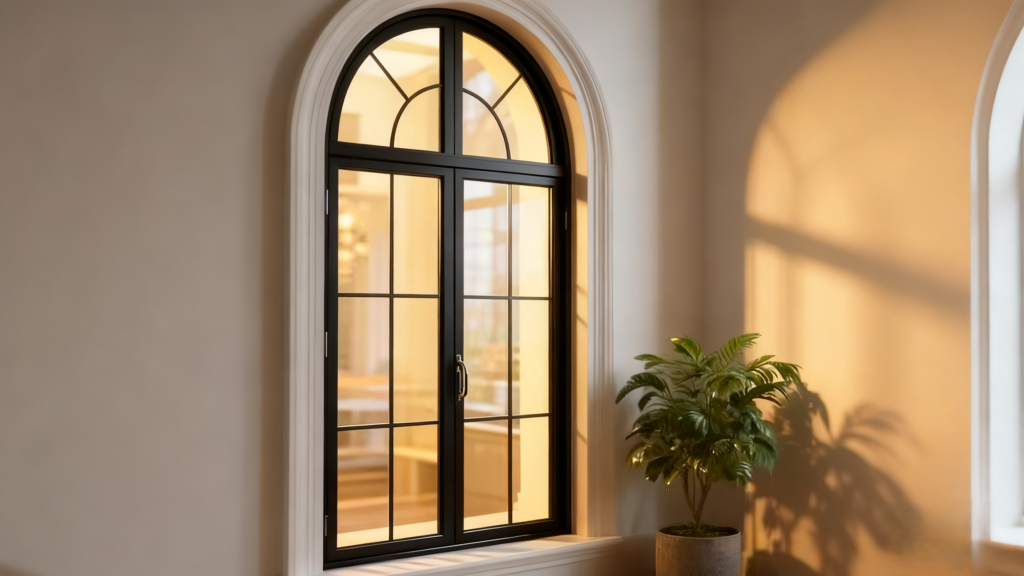
A vertical window is taller than it is wide, creating an upward visual emphasis. These windows are commonly found in traditional homes and are often paired with single-hung, double-hung, or casement window designs.
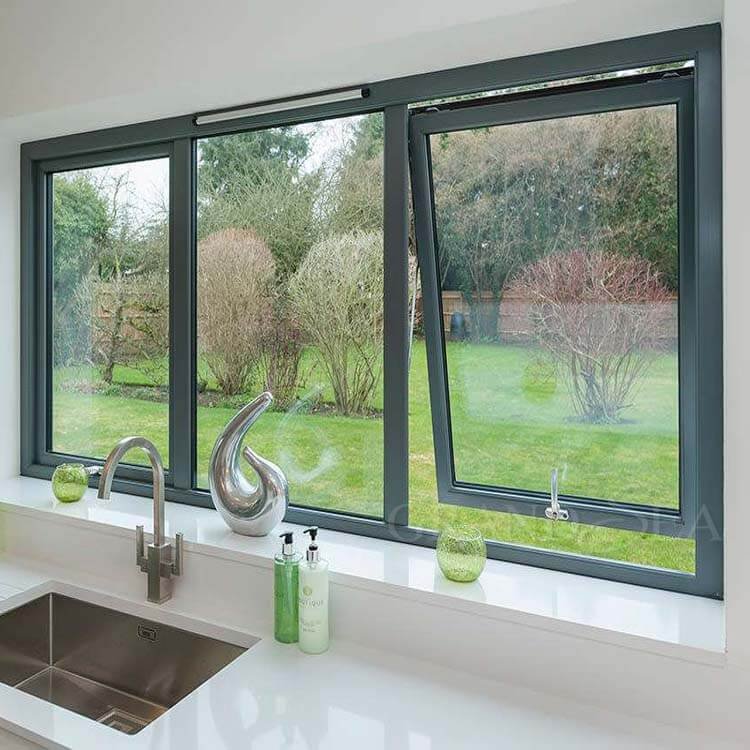
A horizontal window is wider than it is tall, creating a broader field of view. They are popular in modern architecture and frequently appear as sliding, picture, or fixed windows.
Although some people use the terms to describe window operation (vertical sliding versus horizontal sliding), they more commonly refer to the overall shape and orientation of the window itself.
Vertical vs Horizontal Windows at a Glance
| Feature | Vertical Windows | Horizontal Windows |
|---|---|---|
| Overall Appearance | Tall and elegant | Wide and modern |
| Natural Light | Good | Excellent |
| Outdoor Views | Moderate | Panoramic |
| Ceiling Effect | Makes ceilings appear taller | Makes rooms appear wider |
| Ventilation | Excellent with operable styles | Excellent with sliding designs |
| Privacy | Better | Slightly less private |
| Best Architecture | Traditional, Colonial, Craftsman | Contemporary, Minimalist, Modern |
| Ideal Rooms | Bedrooms, stairwells, bathrooms | Living rooms, kitchens, family rooms |
Vertical Windows
Advantages
Create the Illusion of Higher Ceilings
Vertical windows naturally draw the eye upward.
This makes rooms feel taller and more open, even when ceiling heights remain unchanged.
For homes with standard ceiling heights, vertical windows can create a stronger sense of space without major renovations.
Enhance Traditional Architecture
Vertical proportions complement many classic architectural styles, including:
- Colonial
- Victorian
- Craftsman
- Farmhouse
- Mediterranean
Their balanced appearance adds timeless character to both interior and exterior elevations.
Improve Privacy
Because vertical windows typically have narrower widths, they can admit natural light while limiting direct sightlines from neighboring properties.
This makes them particularly suitable for:
- Bedrooms
- Bathrooms
- Side elevations
- Urban homes
Flexible Ventilation Options
Many vertical windows are available as:
- Single-hung
- Double-hung
- Casement
- Awning combinations
These designs offer effective natural ventilation while accommodating different room layouts.
Potential Drawbacks
Vertical windows may:
- Provide narrower outdoor views.
- Admit slightly less daylight than wide horizontal windows of similar area.
- Feel less suitable for ultra-modern architectural styles.
- Limit panoramic landscape views.
Horizontal Windows
Advantages
Maximize Natural Light
One of the biggest reasons homeowners choose horizontal windows is their ability to introduce more daylight.
Their wider proportions allow sunlight to spread more evenly throughout a room, reducing the need for artificial lighting during the day.
Create Wider Views
Horizontal windows frame outdoor scenery beautifully.
Whether overlooking a garden, backyard, pool, mountains, or ocean, they create a panoramic viewing experience that taller windows cannot easily match.
Complement Modern Architecture
Horizontal windows are a defining feature of many contemporary homes.
Their clean lines work well with:
- Modern
- Minimalist
- Scandinavian
- Industrial
- Mid-century contemporary designs
Ideal for Open Floor Plans
Large horizontal windows strengthen the visual connection between indoor and outdoor living spaces.
They work especially well in homes featuring:
- Open-concept living rooms
- Dining areas
- Kitchens
- Covered patios
Potential Drawbacks
Horizontal windows may:
- Offer less privacy when installed at eye level.
- Be less suitable for narrow wall spaces.
- Make low ceilings appear even lower if not proportioned carefully.
- Require larger structural openings.

Which Provides Better Natural Light?
In most situations, horizontal windows provide more evenly distributed daylight because of their wider glass area.
They are particularly effective in:
- Living rooms
- Family rooms
- Kitchens
- Dining areas
Vertical windows still deliver excellent daylight, but they tend to concentrate light into narrower portions of the room.
If maximizing daylight is your primary goal, horizontal windows are often the stronger choice.
Which Offers Better Ventilation?
The answer depends more on the window style than the orientation itself.
For example:
- Double-hung vertical windows allow warm air to escape through the upper sash while drawing cooler air through the lower opening.
- Sliding horizontal windows provide large side openings that promote cross-ventilation.
Casement windows—whether vertically or horizontally proportioned—often provide the best airflow because the entire sash can open.
Instead of focusing only on orientation, consider how the window operates and how air moves through the room.
Which Style Makes a Room Feel Larger?
Each orientation creates a different visual effect.
Vertical windows emphasize height, making ceilings appear taller and spaces feel more elegant.
Horizontal windows emphasize width, making rooms feel more expansive and visually connected to the outdoors.
The better choice depends on the proportions of the room you’re designing.
Which Window Orientation Is Best for Each Room?
Different rooms have different lighting, privacy, and ventilation requirements. Choosing the right window orientation can improve both comfort and appearance.
| Room | Recommended Orientation | Why |
|---|---|---|
| Living Room | Horizontal | Maximizes daylight and outdoor views |
| Kitchen | Horizontal | Brightens work areas and complements open layouts |
| Bedroom | Vertical | Provides better privacy and balanced proportions |
| Bathroom | Vertical | Brings in natural light while maintaining privacy |
| Home Office | Either | Depends on desk placement and desired views |
| Stairwell | Vertical | Accentuates tall wall spaces and draws light upward |
| Dining Room | Horizontal | Creates an open, inviting atmosphere |
| Hallway | Vertical | Introduces daylight without sacrificing wall space |
These recommendations are general guidelines. Factors such as your home’s architecture, surrounding landscape, and local climate should also influence your decision.
Which Window Style Matches Your Home’s Architecture?
Window orientation plays an important role in the overall character of a home.
Modern Homes
Horizontal windows are commonly associated with modern architecture because they feature clean lines, wide glass areas, and strong connections between indoor and outdoor spaces.
They work particularly well with:
- Contemporary homes
- Minimalist designs
- Flat-roof houses
- Luxury villas
Traditional Homes
Vertical windows remain the preferred choice for many classic architectural styles.
Their proportions create a timeless appearance that complements:
- Colonial homes
- Farmhouses
- Victorian architecture
- Craftsman homes
- Georgian residences
Transitional Designs
Many new homes blend traditional and modern elements.
Instead of choosing one orientation exclusively, designers often combine vertical and horizontal windows to achieve a balanced façade.
Can You Combine Vertical and Horizontal Windows?
Absolutely.
In fact, many of today’s best residential designs use both.
Rather than viewing them as competing options, think of them as complementary design elements.
For example:
- A living room may feature wide horizontal picture windows to maximize views.
- Bedrooms may use vertical casement or double-hung windows for privacy and ventilation.
- A stairwell may incorporate tall vertical windows to emphasize ceiling height.
- Narrow clerestory or horizontal windows can bring daylight into hallways while preserving privacy.
Combining different window orientations allows each room to perform according to its specific function while creating a more dynamic architectural appearance.
Other Factors to Consider Before Choosing
Window orientation is only one part of the decision.
You should also evaluate:
Climate
Homes in hot climates may benefit from energy-efficient glazing that limits solar heat gain, while colder regions often prioritize insulation and thermal performance.
Window Materials
Popular frame materials include:
- Aluminum
- Vinyl
- Fiberglass
- Wood
Each offers different advantages in terms of durability, maintenance, energy efficiency, and aesthetics.
For larger horizontal windows, aluminum frames are often preferred because of their strength and slim sightlines, while vinyl and fiberglass are popular choices for energy-efficient residential projects.
Glass Options
Modern windows can be equipped with:
- Double- or triple-pane insulated glass
- Low-E coatings
- Laminated safety glass
- Frosted privacy glass
- Tinted or solar-control glass
The right glazing package can improve comfort regardless of whether you choose vertical or horizontal windows.
Energy Efficiency
Orientation alone does not determine energy performance.
A well-designed window with high-performance glazing and quality weather sealing will generally outperform a poorly constructed window of any shape.
When comparing products, look for features such as:
- Thermally broken frames
- Low-E glass
- Argon gas-filled insulated units
- Multi-point locking systems
- Professional installation
Which Should You Choose?
If your priority is…
Choose Vertical Windows If You Want:
- A timeless architectural appearance
- Better privacy
- Rooms that feel taller
- Traditional or classic home designs
- Flexible ventilation options
Choose Horizontal Windows If You Want:
- Panoramic outdoor views
- Maximum natural daylight
- A modern architectural style
- Strong indoor-outdoor connections
- Open and spacious interiors
Consider Combining Both If You Want:
- The best balance of function and aesthetics
- Room-specific window solutions
- Greater architectural interest
- Optimized daylight throughout the home
- A customized design that complements your floor plan
For many new homes, a thoughtful combination of vertical and horizontal windows delivers the most attractive and practical result.
Final Thoughts
Choosing between vertical and horizontal windows is not about finding a universally better option—it’s about selecting the right solution for your home’s design and the way each room is used.
Vertical windows emphasize height, privacy, and traditional elegance, while horizontal windows maximize daylight, panoramic views, and contemporary style.
Instead of relying on one orientation throughout the entire house, many architects combine both to enhance different spaces and create a balanced exterior.
By considering your home’s architecture, room layout, lighting needs, and energy-efficiency goals, you can choose window designs that are both beautiful and functional for years to come.
Contact us at wang@gddlsn.com for expert guidance, custom aluminum window solutions, and a free personalized quote.
FAQs
Generally, yes. Horizontal windows are commonly associated with contemporary and minimalist architecture because of their clean lines and expansive glass areas. Vertical windows remain the classic choice for traditional home styles.
Horizontal windows often distribute daylight more evenly across a room because of their wider proportions. However, the total amount of light also depends on the window’s size, placement, and glazing.
In many cases, yes. Their narrower width can reduce direct sightlines while still allowing plenty of natural light, making them well suited for bedrooms, bathrooms, and homes in densely populated neighborhoods.
Absolutely. Many modern homes combine both orientations to suit different rooms. Horizontal windows are often used in living areas to maximize views, while vertical windows provide privacy and architectural balance in bedrooms and stairwells.
Not directly. Energy efficiency depends more on factors such as frame material, insulated glazing, Low-E coatings, weather sealing, and installation quality than on whether a window is vertical or horizontal.