
Replacement windows typically cost between $300 and $2,500 per window, including professional installation. For most homeowners, replacing all the windows in a house generally ranges from $5,000 to $25,000 or more, depending on the window material, style, size, glass options, installation complexity, and local labor costs.
Whether you’re replacing one damaged window or upgrading every window in your home, understanding the factors that influence replacement costs can help you set a realistic budget and make smarter purchasing decisions.
In this guide, you’ll learn average replacement window costs, compare prices by material and window style, understand installation expenses, and discover practical ways to maximize the value of your investment.
Average Replacement Window Cost
The cost of replacing windows varies considerably depending on the type of window you choose and the complexity of the installation.
The table below provides a general pricing reference for professionally installed replacement windows.
| Window Project | Typical Cost |
|---|---|
| Single Replacement Window | $300–$2,500 |
| Standard Vinyl Window | $300–$900 |
| Fiberglass Window | $700–$2,000 |
| Aluminum Window | $400–$1,500 |
| Wood Window | $800–$2,500+ |
| Whole-House Window Replacement | $5,000–$25,000+ |
These ranges include both the window unit and professional installation. Custom sizes, premium glazing, structural modifications, or high-end finishes can significantly increase the total cost.
Replacement Window Cost by Frame Material
The frame material is one of the biggest factors affecting the total replacement cost.
Vinyl Windows
Vinyl windows remain one of the most popular choices because they offer an excellent balance between affordability, energy efficiency, and low maintenance.
Advantages
- Most affordable option
- Good thermal performance
- Minimal maintenance
- Resistant to moisture and corrosion
Typical Cost
Approximately $300–$900 per window installed.
Aluminum Windows
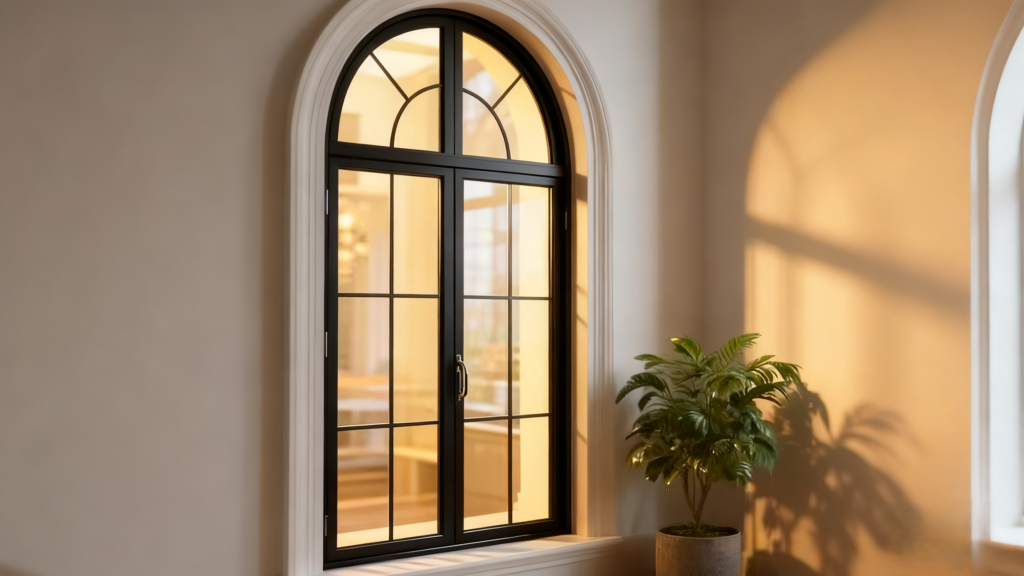
Aluminum windows are known for their strength, slim sightlines, and modern appearance.
They are particularly suitable for large openings and contemporary architectural designs.
Advantages
- Lightweight yet durable
- Narrow frame profiles
- Corrosion resistant
- Modern aesthetics
Considerations
Standard aluminum transfers heat more easily than other materials. For improved insulation, many homeowners choose thermally broken aluminum windows, which significantly reduce heat transfer while retaining the structural advantages of aluminum.
Typical Cost
Approximately $400–$1,500 per window installed.
Fiberglass Windows
Fiberglass windows are highly durable and dimensionally stable, making them an excellent choice for regions with large seasonal temperature changes.
Advantages
- Excellent energy efficiency
- Strong structural performance
- Minimal expansion and contraction
- Long service life
Typical Cost
Approximately $700–$2,000 per window installed.
Wood Windows
Wood windows provide timeless beauty and natural insulation that many homeowners appreciate.
They are often selected for luxury homes or historic restoration projects.
Advantages
- Classic appearance
- Excellent natural insulation
- Highly customizable
- Can increase architectural value
Considerations
Wood requires regular painting or sealing to protect against moisture and weathering.
Typical Cost
Approximately $800–$2,500 or more per window installed.
Replacement Window Cost by Window Type
The operating style of the window also influences the total replacement cost.
| Window Type | Typical Installed Cost |
|---|---|
| Single-Hung | $300–$800 |
| Double-Hung | $450–$1,000 |
| Sliding | $400–$1,200 |
| Casement | $500–$1,500 |
| Awning | $500–$1,400 |
| Picture | $400–$1,800 |
| Bay Window | $2,000–$6,000+ |
| Bow Window | $3,000–$8,000+ |
Larger windows, custom shapes, and specialty operating hardware generally increase both manufacturing and installation costs.
What Does Window Replacement Cost Include?
Many homeowners assume they are paying only for the new window, but a professional replacement project typically includes several services.
Window Unit
This includes the frame, sash, glazing, hardware, weatherstripping, and factory finishes.
Higher-performance glass packages and premium frame materials naturally increase the product price.
Removal of Existing Windows
Before installation can begin, the old window must be carefully removed.
This process may also involve disposing of damaged frames, trim, insulation, or broken glass.
Professional Installation
Installation costs generally cover:
- Measuring and fitting the new window
- Flashing installation
- Weatherproof sealing
- Fastening the frame
- Interior and exterior insulation
- Operational testing
Proper installation is just as important as the quality of the window itself. Even premium windows may perform poorly if they are not installed correctly.
Interior and Exterior Finishing
After the window has been installed, finishing work may include:
- Interior trim installation
- Exterior caulking
- Painting or staining
- Minor drywall repair
- Touch-up work around the opening
These finishing details contribute to the overall appearance and long-term weather resistance of the installation.
Cost Breakdown of a Typical Window Replacement Project
Although every project is unique, replacement costs generally consist of several major components.
| Cost Component | Typical Share of Total Cost |
|---|---|
| Window Unit | 40–60% |
| Labor | 25–40% |
| Removal & Disposal | 5–10% |
| Trim & Finishing | 5–10% |
| Permits & Miscellaneous | 2–8% |
Understanding this breakdown helps homeowners compare quotes more effectively and identify where additional upgrades may have the greatest impact on the final price.
What Factors Affect Replacement Window Costs?
Even windows of the same size can have very different prices. The final cost depends on several factors beyond the window itself.
Window Size
Larger windows require more framing material, larger glass panels, and additional labor during installation.
Custom dimensions also increase manufacturing costs because they cannot be produced as efficiently as standard sizes.
Glass Options
The type of glass you choose has a significant impact on both price and long-term performance.
Common upgrades include:
- Double-pane insulated glass
- Triple-pane insulated glass
- Low-E coatings
- Argon or krypton gas filling
- Laminated safety glass
- Tempered glass
- Impact-resistant glass
Although premium glazing increases the initial investment, it can improve energy efficiency, indoor comfort, and noise reduction while lowering heating and cooling costs over time.
Installation Complexity
Replacing a window is not always a straightforward process.
Projects become more expensive when they involve:
- Structural modifications
- Enlarging or reducing window openings
- Brick or stone exterior walls
- Upper-story installations
- Custom flashing requirements
- Historic home restoration
The more labor-intensive the installation, the higher the overall cost.
Energy Efficiency Requirements
Many homeowners choose replacement windows to reduce energy consumption.
Features that improve efficiency include:
- Insulated frames
- Warm-edge spacers
- Multi-pane glazing
- Low-E glass coatings
- Gas-filled insulated glass units
While these features increase the purchase price, they often provide long-term savings through lower utility bills.
Geographic Location
Labor rates, permit fees, and material costs vary widely by region.
Replacement projects in large metropolitan areas typically cost more than similar installations in smaller cities or rural communities.
Climate also affects material selection and glazing requirements, influencing the overall budget.
Hidden Costs Homeowners Often Overlook
Many online price estimates focus only on the window itself. However, additional expenses can significantly affect your total investment.
Potential hidden costs include:
- Building permits
- Structural repairs
- Water damage remediation
- Rotten framing replacement
- Interior drywall repairs
- Exterior siding or stucco repairs
- Painting and trim work
- Disposal of old windows
- HOA approval fees (where applicable)
Including these items in your budget helps avoid unexpected surprises during the project.
Repair or Replace: Which Makes More Sense?
Not every window needs to be replaced.
In some cases, repairing the existing window is the more economical solution.
Repair May Be the Better Choice If:
- Hardware is worn or damaged.
- Weatherstripping needs replacement.
- Minor air leaks can be sealed.
- Glass is cracked but the frame remains in good condition.
- The window is relatively new.
Replacement Is Usually the Better Choice If:
- The frame is warped, rotten, or corroded.
- Multiple seals have failed, causing persistent condensation between glass panes.
- The window is difficult to open or close.
- Significant drafts are affecting indoor comfort.
- You want to improve energy efficiency or update the appearance of your home.
If several windows are showing signs of age, replacing them at the same time is often more cost-effective than repairing each one individually.
How to Save Money on Replacement Windows
Replacing windows is a major investment, but there are several ways to reduce costs without sacrificing quality.
Replace Multiple Windows at Once
Many contractors offer lower installation costs per unit when replacing several windows during the same project.
Choose Standard Sizes
Custom windows generally cost more due to specialized manufacturing.
Whenever possible, selecting standard sizes can reduce both product and installation costs.
Prioritize Energy Efficiency
Rather than purchasing every available upgrade, focus on features that provide measurable long-term value, such as:
- Low-E glass
- Double-pane insulated glazing
- High-quality weather seals
- Energy-efficient frame systems
These improvements often deliver the best balance between performance and cost.
Compare Multiple Quotes
Request estimates from several qualified window contractors.
When comparing proposals, pay attention not only to price but also to:
- Installation methods
- Warranty coverage
- Product specifications
- Included services
- Company experience
The lowest quote is not always the best value.
Schedule During the Off-Season
Window installers are often busiest during spring and summer.
Scheduling your project during slower seasons may provide more flexible scheduling and, in some cases, more competitive pricing.
Is Window Replacement Worth the Cost?
For many homeowners, replacing old windows is a worthwhile long-term investment.
Modern replacement windows offer benefits that extend well beyond appearance.
Potential advantages include:
- Improved energy efficiency
- Lower heating and cooling costs
- Better indoor comfort
- Reduced outside noise
- Easier operation and maintenance
- Enhanced home security
- Increased curb appeal
- Potential improvement in resale value
The return on investment depends on the quality of the windows, proper installation, and the condition of the existing windows being replaced.
Final Thoughts
Replacement window costs typically range from $300 to $2,500 per window, with whole-home projects commonly falling between $5,000 and $25,000 or more.
The final price depends on several factors, including window material, style, glazing options, installation complexity, and local labor costs.
Instead of focusing solely on the lowest price, homeowners should consider overall value. High-quality windows combined with professional installation can improve energy efficiency, reduce maintenance, increase comfort, and provide lasting performance for decades.
By understanding what influences replacement costs and comparing multiple options, you can make a well-informed investment that suits both your home and your budget.
Ready to replace your windows? Contact us at wang@gddlsn.com for expert advice, customized window solutions, and a competitive quote tailored to your project.
FAQs
Most professionally installed replacement windows cost between $300 and $2,500, depending on the window size, material, style, glazing, and installation requirements.
Vinyl is generally the most affordable option. It offers good energy efficiency, low maintenance, and reliable performance at a competitive price.
A whole-house window replacement typically costs $5,000 to $25,000 or more, depending on the number of windows, material selection, installation complexity, and regional labor rates.
Yes. Energy-efficient windows can reduce heat loss during winter and limit heat gain during summer, helping lower heating and cooling expenses while improving indoor comfort.
The lifespan depends on the frame material, installation quality, and maintenance. Well-manufactured, professionally installed replacement windows can provide reliable performance for 20 to 40 years or more, with some premium materials lasting even longer under proper conditions.