
A professionally built 12×12 sunroom typically costs between $20,000 and $70,000 or more, depending on the type of sunroom, frame material, glazing, insulation, foundation requirements, and local labor rates. A basic three-season sunroom is generally the most affordable option, while a fully insulated four-season sunroom designed for year-round use requires a significantly higher investment.
Although a 12×12 sunroom measures just 144 square feet, its final cost can vary considerably from one project to another. The room’s intended use, construction quality, customization level, and local building requirements all influence the overall budget.
This guide breaks down typical costs, explains what drives pricing, and helps you determine whether adding a 12×12 sunroom is the right investment for your home.
Average Cost of a 12×12 Sunroom
While prices vary by region and contractor, the following ranges provide a general budgeting reference.
| Sunroom Type | Estimated Cost |
|---|---|
| Screen Room | $8,000–$20,000 |
| Three-Season Sunroom | $20,000–$40,000 |
| Four-Season Sunroom | $35,000–$70,000+ |
| Custom Glass Solarium | $50,000–$100,000+ |
These estimates typically include the primary structure and professional installation. Optional upgrades, premium materials, or complex site conditions may increase the total project cost.
12×12 Sunroom Cost by Type
The biggest factor affecting the price of a sunroom is the type of room you choose.
Screen Room
A screen room is the simplest and most affordable option.
Instead of insulated glass, it uses mesh screens to provide fresh air while keeping insects out.
Best for
- Mild climates
- Outdoor relaxation
- Seasonal use
Pros
- Lowest construction cost
- Excellent ventilation
- Quick installation
- Minimal maintenance
Limitations
- Cannot be used comfortably during cold or extremely hot weather
- Limited protection from outdoor temperatures
Three-Season Sunroom
A three-season sunroom is designed for use during spring, summer, and fall.
It usually includes large glass windows but does not have the insulation or HVAC system needed for comfortable winter use.
Best for
- Moderate climates
- Homeowners seeking additional living space without the cost of a fully conditioned room
Pros
- Lower cost than four-season rooms
- Bright and comfortable
- Good protection from wind and rain
- Suitable for dining or relaxing
Limitations
- Limited winter use
- May become hot during summer without proper ventilation
Four-Season Sunroom
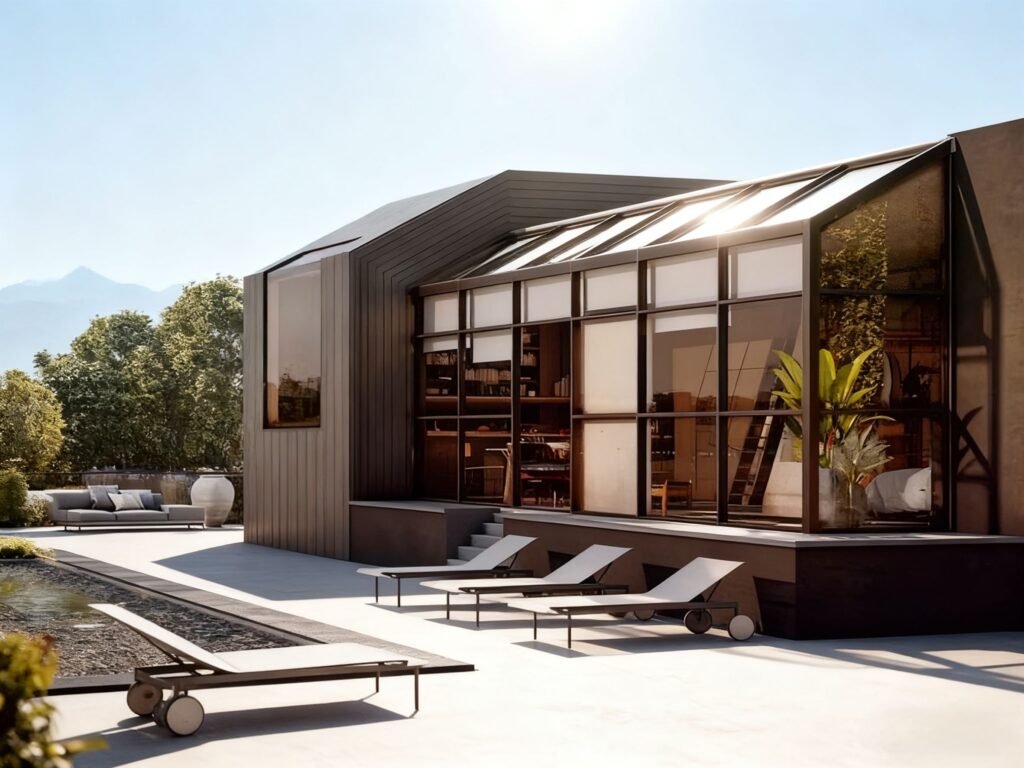
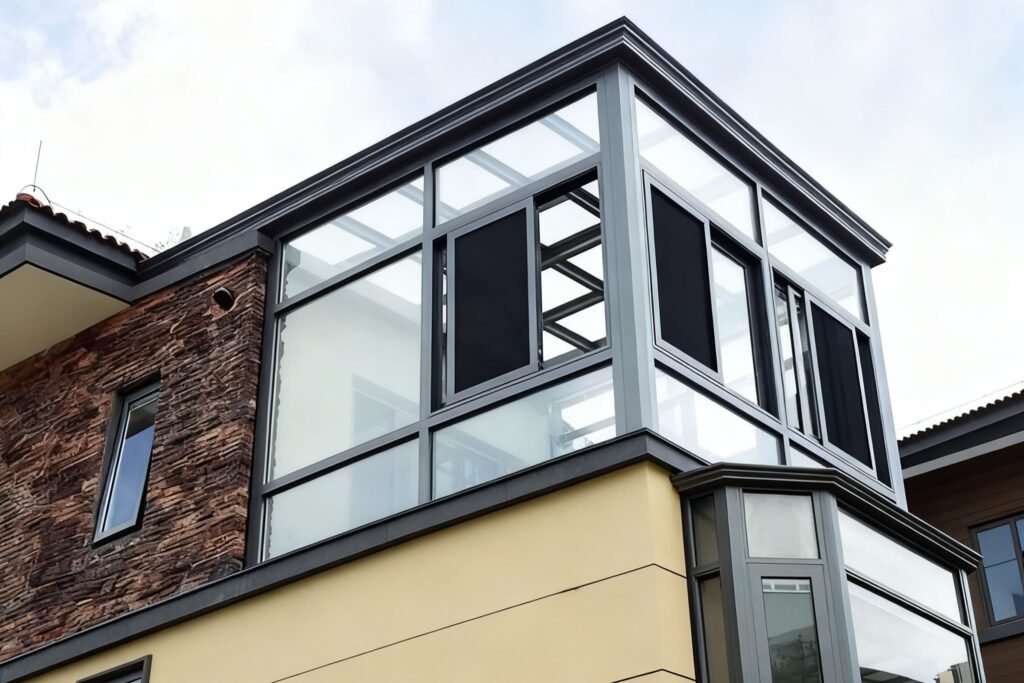
A four-season sunroom is built as a fully insulated living space that can be used throughout the year.
It typically features insulated walls, energy-efficient windows, and integration with the home’s heating and cooling system.
Best for
- Year-round living
- Home offices
- Family rooms
- Dining areas
Pros
- Maximum comfort
- Increased usable living space
- Better energy efficiency
- Greater potential to increase property value
Limitations
- Higher construction cost
- More complex installation
- Longer construction timeline
Glass Solarium
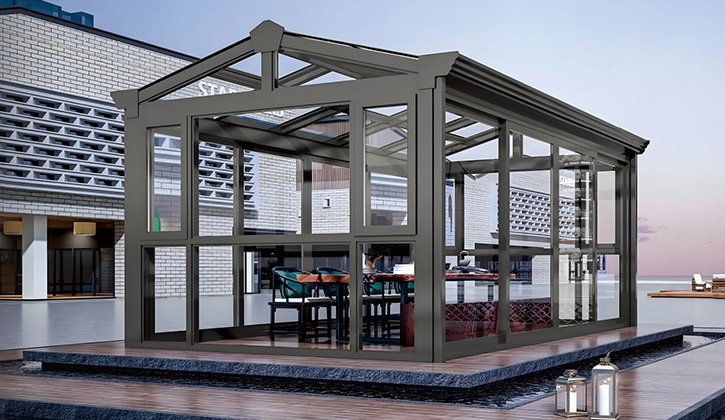
A solarium features extensive glass walls and often a glass roof to maximize natural light and outdoor views.
It is generally the most expensive type of sunroom due to the specialized structural design and glazing systems required.
Best for
- Luxury homes
- Scenic properties
- Homeowners seeking panoramic views
Pros
- Exceptional daylight
- Modern appearance
- Unique architectural appeal
Limitations
- Highest project cost
- Greater solar heat gain without appropriate glazing
- More demanding engineering requirements
Cost Breakdown of a 12×12 Sunroom
Understanding where your money goes makes it easier to plan a realistic budget.
Foundation
The foundation provides structural support for the entire sunroom.
Depending on the site, it may involve:
- Concrete slab
- Crawl space
- Existing patio reinforcement
Difficult soil conditions or uneven terrain can increase foundation costs.
Framing
The structural frame determines the strength, durability, and appearance of the sunroom.
Common frame materials include:
- Vinyl
- Aluminum
- Thermally broken aluminum
- Wood
Each material offers different advantages in terms of cost, maintenance, insulation, and design flexibility.
Windows and Glass
Glass is often one of the largest cost components.
Pricing depends on:
- Glass size
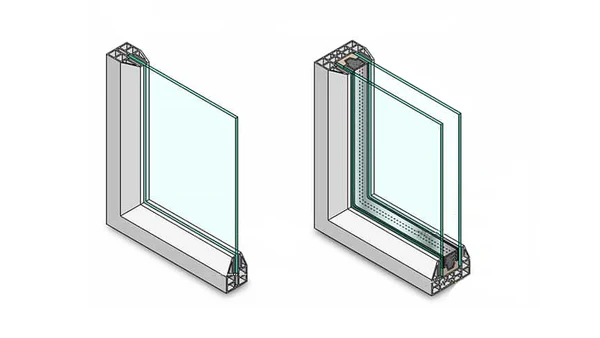
- Double- or triple-pane construction
- Low-E coatings
- Argon gas filling
- Impact-resistant or laminated glass
- Custom shapes
Choosing energy-efficient glazing can increase the initial cost but may improve comfort and reduce long-term heating and cooling expenses.
Roofing System
Roof design significantly affects both construction complexity and overall cost.
Common options include:
- Studio roof
- Gable roof
- Cathedral roof
- Glass roof
- Insulated solid roof
More complex roof structures generally require additional materials and labor.
Flooring
Many homeowners choose flooring that matches the adjoining interior space.
Popular options include:
- Tile
- Luxury vinyl plank
- Engineered wood
- Laminate
The flooring material affects both aesthetics and maintenance requirements.
Doors
Your project may include one or more exterior doors connecting the sunroom to the backyard or patio.
Common choices include:
- Sliding patio doors
- French doors
- Folding doors
Larger openings and premium hardware increase the overall budget.
Electrical and Lighting
Most sunrooms require electrical work for:
- Lighting
- Ceiling fans
- Power outlets
- Smart home features
Additional electrical upgrades increase labor and material costs.
Heating and Cooling
If you plan to use the room year-round, climate control becomes an important consideration.
Options may include:
- Extending the home’s HVAC system
- Ductless mini-split systems
- Electric heaters
- Radiant floor heating
These upgrades improve comfort but also add to the project’s overall cost.
Factors That Affect the Cost of a 12×12 Sunroom
Although the size of the room remains the same, the final price can vary significantly depending on several factors.
Frame Material
The structural frame has a major impact on durability, maintenance, appearance, and thermal performance.
Vinyl
Vinyl is one of the most affordable choices. It offers good insulation, requires little maintenance, and performs well in most residential applications.
Aluminum
Aluminum frames are lightweight, durable, and resistant to corrosion. They are popular for modern sunroom designs because of their slim profiles and strength.
For projects in regions with significant temperature differences, thermally broken aluminum frames provide much better insulation than standard aluminum while maintaining the same sleek appearance.
Wood
Wood creates a warm, traditional look and provides excellent natural insulation, but it requires regular maintenance to protect against moisture, insects, and weathering.
Glass Performance
Glass selection influences both comfort and long-term operating costs.
Higher-performance glazing options may include:
- Double-pane insulated glass
- Triple-pane insulated glass
- Low-E coatings
- Argon gas filling
- Laminated safety glass
- Tempered glass
While these upgrades increase the initial investment, they can improve energy efficiency, reduce condensation, and create a more comfortable indoor environment throughout the year.
Roof Design
A simple shed-style roof generally costs less than more complex roof systems.
Roof complexity affects:
- Structural engineering
- Material quantities
- Installation time
- Drainage design
Glass roofs typically require additional structural support and specialized glazing systems, making them one of the most expensive options.
Custom Features
Additional customization can significantly increase the overall project budget.
Examples include:
- Motorized shades
- Skylights
- Built-in lighting
- Smart home controls
- Retractable screens
- Premium flooring
- Custom finishes
Choosing only the features that provide real value for your lifestyle can help keep costs under control.
Site Conditions
Not every property is equally easy to build on.
Costs may increase if your project requires:
- Extensive site preparation
- Excavation
- Drainage improvements
- Retaining walls
- Utility relocation
- Structural modifications to the existing house
A professional site inspection is the best way to identify these potential expenses before construction begins.
Labor Costs
Installation costs vary considerably depending on:
- Geographic location
- Contractor experience
- Project complexity
- Local labor market conditions
Projects in metropolitan areas often have higher labor costs than similar projects in smaller cities or rural locations.
Hidden Costs to Consider
Many homeowners focus on the construction price but overlook additional expenses that can affect the total project budget.
Potential hidden costs include:
- Building permits
- Architectural or engineering drawings
- Homeowners’ association approvals
- Electrical upgrades
- HVAC modifications
- Landscaping repairs
- Interior painting
- Furniture and décor
Planning for these expenses early can help prevent unexpected budget overruns.
How to Save Money on a 12×12 Sunroom
A lower price doesn’t always mean better value. However, there are several ways to reduce costs without sacrificing quality.
Choose a Standard Design
Custom shapes and unique layouts require additional engineering and fabrication.
A standard rectangular sunroom is typically the most economical option.
Select Materials Carefully
Premium materials are not always necessary for every project.
Choosing durable, energy-efficient materials that match your climate and intended use often provides the best long-term value.
Limit Unnecessary Customization
Luxury features can quickly increase costs.
Focus first on structural quality, insulation, and energy-efficient windows before investing in decorative upgrades.
Compare Multiple Quotes
Obtaining estimates from several qualified contractors helps you compare pricing, construction methods, warranties, and included services.
Remember that the lowest quote is not always the best value if important items have been omitted.
Plan the Project Early
Early planning gives you more flexibility when selecting materials, scheduling construction, and coordinating permits, helping reduce costly last-minute changes.
Is a 12×12 Sunroom Worth the Investment?
For many homeowners, the answer is yes.
A well-designed sunroom provides more than additional square footage. It creates a bright, comfortable space that can serve as a family room, reading area, dining room, home office, or relaxation space.
Potential benefits include:
- Increased usable living space
- More natural daylight
- Improved connection with outdoor views
- Enhanced comfort throughout the year
- Greater enjoyment of your home
- Potential increase in property value
The long-term value depends on construction quality, energy-efficient materials, thoughtful design, and how frequently the space is used.
How to Choose the Right Sunroom for Your Budget
Your budget should align with how you intend to use the space.
Entry-Level Budget
A screen room or basic three-season sunroom is ideal for homeowners seeking an affordable outdoor living area for seasonal enjoyment.
Mid-Range Budget
An upgraded three-season sunroom with insulated glazing, improved finishes, and higher-quality framing offers an excellent balance between cost and comfort.
Premium Budget
A four-season sunroom with energy-efficient windows, insulated construction, climate control, and custom finishes creates a true extension of your home’s living space that can be enjoyed throughout the year.
Final Thoughts
A 12×12 sunroom typically costs between $20,000 and $70,000 or more, depending on the room type, construction materials, glazing system, and local labor costs.
While the initial investment may seem substantial, a thoughtfully designed sunroom can provide decades of additional living space, greater natural light, improved comfort, and increased enjoyment of your home.
When planning your project, look beyond the upfront price. The quality of the framing system, energy-efficient glazing, installation workmanship, and overall design will have a much greater impact on long-term performance than choosing the lowest quote.
By understanding the factors that influence pricing and carefully comparing your options, you can build a sunroom that fits both your lifestyle and your budget.
Planning a 12×12 sunroom project and need expert advice on design, glazing, and budgeting? Contact us at wang@gddlsn.com for customized sunroom solutions and a competitive quote tailored to your home.
FAQs
A professionally built 12×12 four-season sunroom generally costs $35,000 to $70,000 or more, depending on insulation, glazing, structural design, HVAC integration, and local labor rates.
Yes. A 12×12 sunroom provides approximately 144 square feet of usable space, which is sufficient for a small living room, dining area, reading room, home office, or entertainment space.
A screen room is typically the least expensive option because it uses screened openings instead of insulated glass and usually requires fewer materials and less complex construction.
The largest cost factors typically include the type of sunroom, foundation work, structural framing, glazing system, roof design, insulation, HVAC integration, and labor.
A professionally designed and well-constructed sunroom can enhance a home’s appeal and may increase its resale value, particularly when it is built with high-quality materials and complements the existing architecture.