
Interior doors may seem like a small detail in home design, but they play an important role in both function and style. The right interior door can improve privacy, enhance the appearance of your home, reduce noise, and even increase property value.
With so many materials, styles, and price options available, choosing the best interior door can feel overwhelming. This guide will help you understand the key factors to consider before making a decision.
1. Choosing the Best Material for Interior Doors
The material of an interior door affects its appearance, durability, maintenance needs, and cost. Here are some of the most common options:
Solid Wood Doors
Solid wood interior doors offer a premium appearance and excellent durability. They provide strong sound insulation and a timeless look that works well in traditional or luxury homes. However, they are usually more expensive and can be affected by humidity changes.
MDF Doors
MDF (Medium-Density Fiberboard) doors are popular because they are smooth, affordable, and resistant to cracking or warping. They are commonly used for painted interior doors and modern designs.
Hollow Core Doors
Hollow core doors are lightweight and budget-friendly. They are widely used in bedrooms, closets, and other low-traffic areas. While economical, they offer limited sound insulation and are less durable than solid options.
Solid Core Doors
Solid core doors combine affordability with better strength and noise reduction. They feel heavier and more substantial than hollow core doors, making them a good choice for bedrooms, offices, and bathrooms.
Glass Interior Doors
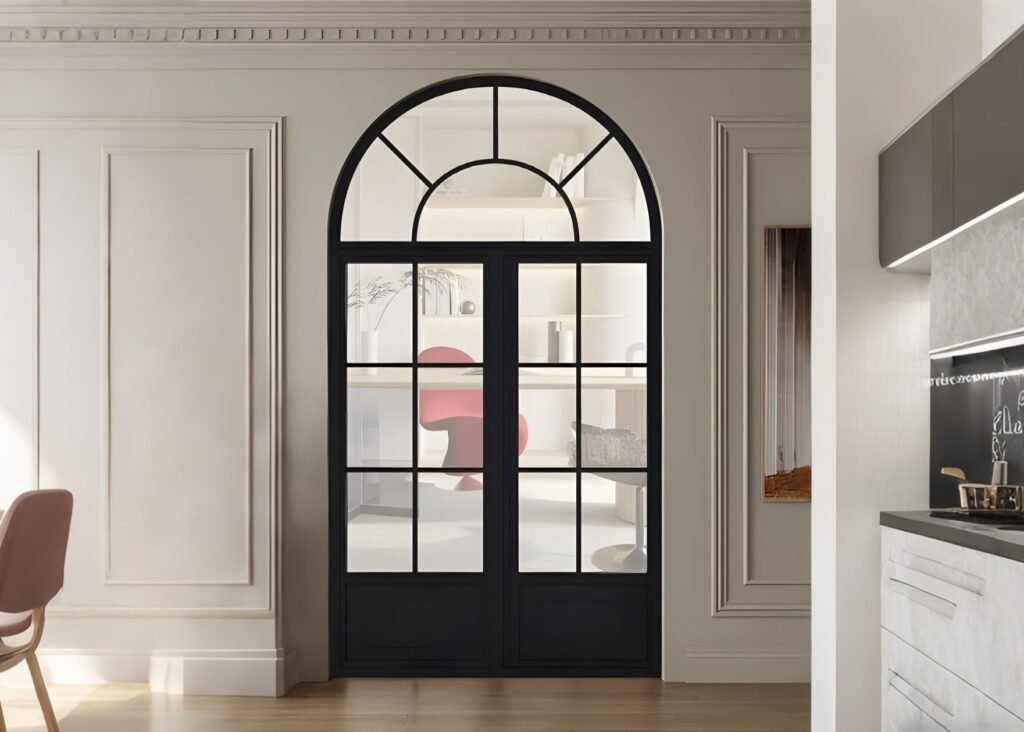
Glass doors allow more natural light to pass between rooms and create a more open feeling. Frosted or textured glass options can still provide privacy while adding a modern design touch.

2. Consider the Door’s Location & Function
Different rooms have different requirements, so the location of the door matters.
Bedroom Doors
Bedrooms typically require privacy and sound reduction. Solid core or solid wood doors are often the best choice for creating a quieter environment.
Bathroom Doors
Bathroom doors should resist moisture and provide privacy. MDF or properly finished solid core doors are common choices for bathrooms.
Closet Doors
Closet doors can prioritize style and space-saving functionality. Sliding doors, bifold doors, or lightweight hollow core doors are frequently used.
Home Office Doors
For home offices, sound insulation is important. Solid core doors help reduce noise and create a more professional workspace.
Living Room or Dining Area Doors
Glass panel doors or French doors can add elegance and improve light flow between spaces.

3. Match the Style to the Space
Interior doors should complement the overall style of your home.
Modern Interior Doors
Modern homes often use flush doors, minimalist panel designs, or doors with glass inserts. Neutral colors such as white, black, or gray are especially popular.
Traditional Interior Doors
Traditional interiors commonly feature raised panel doors, natural wood finishes, and decorative details that create a classic appearance.
Farmhouse or Rustic Doors
Barn doors and wood-grain finishes work well in farmhouse or rustic-style homes. These doors add warmth and character to the space.
Contemporary Designs
Contemporary interiors often combine clean lines with mixed materials such as wood, aluminum, and glass for a sleek appearance.
When selecting a style, try to maintain consistency throughout the home so the rooms feel visually connected.
4. Think About Long-Term Durability
An interior door is a long-term investment, so durability should not be overlooked.
High-traffic areas such as hallways, kitchens, and children’s rooms require stronger materials that can handle daily use. Solid core and solid wood doors generally last longer and resist dents better than hollow core doors.
You should also consider:
- Scratch resistance
- Moisture resistance
- Ease of cleaning
- Hardware quality
- Resistance to warping or cracking
Choosing quality hinges, handles, and finishes can also extend the lifespan of your interior doors.
5. Establish a Budget for Your Interior Door Installation Cost
Interior door costs can vary significantly depending on material, size, style, and installation complexity.
Here is a general comparison:
| Door Type | Typical Cost Range | Best For |
|---|---|---|
| Hollow Core Door | Low | Budget-friendly projects |
| MDF Door | Low to Medium | Modern painted interiors |
| Solid Core Door | Medium | Better durability and sound insulation |
| Solid Wood Door | High | Premium residential projects |
| Glass Interior Door | Medium to High | Decorative and modern spaces |
Installation costs may also increase if custom sizing, special hardware, or sliding systems are required.
Before purchasing, consider both the door price and the total installation cost to avoid unexpected expenses.
Conclusion
Choosing the right interior door involves more than simply selecting a design you like. The ideal door should match your home’s style, fit the room’s function, provide long-term durability, and stay within your budget.
By carefully considering material, location, style, durability, and installation costs, you can select interior doors that improve both the comfort and appearance of your home for years to come.
If you are looking for standard or customized interior door solutions, Delanshini Doors and Windows offers a wide range of modern interior doors for residential and commercial projects. For more information, please contact wang@gddlsn.com.