
A dormer window is a vertically installed window built into a roof extension structure called a dormer. Unlike skylights that are installed directly into the roof, dormer windows project outward from the roof and create additional headroom, natural light, ventilation, and architectural character.
Dormer windows are commonly used in attic conversions, loft renovations, and residential projects where homeowners want to improve both interior functionality and exterior appearance. Choosing the right dormer design and window system requires considering factors such as roof structure, window materials, glazing performance, and long-term durability.
What Is a Dormer Window?
A dormer window is a window placed within a dormer, which is a structure that extends vertically from a sloped roof.
The main purpose of a dormer is to create:
- Additional headroom inside an attic space
- More natural daylight
- Improved ventilation
- More usable living area
Traditional attic spaces often have limited height because of the slope of the roof. A dormer changes the roofline by adding a vertical wall section where a window can be installed, making the interior space more comfortable and functional.
Dormer windows are commonly found in:
- Attic bedrooms
- Loft conversions
- Traditional homes
- Modern residential designs
- Renovation projects
Dormer Window vs Skylight: What Is the Difference?
Although both dormer windows and skylights are designed to bring natural light into upper floors, they work differently.
| Feature | Dormer Window | Skylight |
|---|---|---|
| Installation | Built vertically into a roof extension | Installed directly into the roof slope |
| Interior space | Creates additional headroom | Does not increase usable space |
| Ventilation | Usually provides better ventilation | Depends on the skylight design |
| Exterior appearance | Adds architectural character | Creates a more minimal roof opening |
| Installation complexity | Requires structural modification | Usually simpler |
A skylight is often selected when the goal is simply to increase daylight. A dormer window is preferred when homeowners also want more usable space and a stronger architectural feature.
Common Types of Dormer Windows
Dormer windows come in different designs depending on the roof style, architectural requirements, and desired interior space.
1. Gable Dormer Window
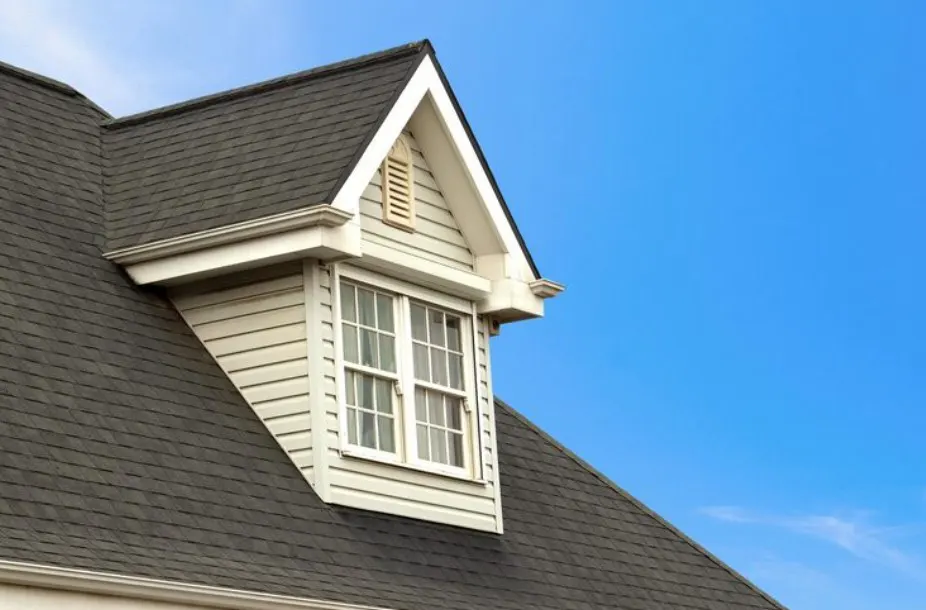
A gable dormer is one of the most recognizable dormer styles. It features a triangular roof section that extends from the main roof.
Characteristics
- Traditional appearance
- Triangular roof design
- Suitable for many residential styles
Advantages
- Provides good natural lighting
- Creates additional headroom
- Matches classic home designs
Gable dormers are commonly used in traditional houses where maintaining architectural harmony is important.
2. Shed Dormer Window
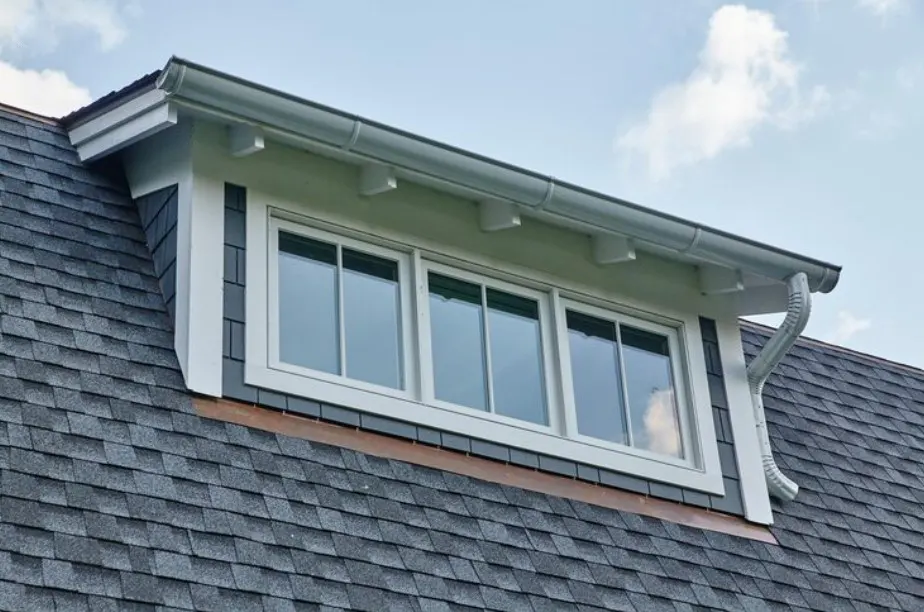
A shed dormer has a single sloping roof that extends outward from the main roof.
Characteristics
- Simple rectangular shape
- Wider window opening
- Maximizes interior space
Advantages
- Creates more usable attic area
- Allows larger window installations
- Provides excellent ventilation opportunities
Shed dormers are especially popular for attic conversions because they maximize vertical wall space.
3. Hip Dormer Window
A hip dormer uses a roof structure where three roof sections slope downward from the top.
Characteristics
- Smooth connection with existing roof
- Balanced appearance
- Common in certain architectural styles
Advantages
- Creates a softer roof transition
- Provides good weather resistance
- Works well with traditional homes
4. Eyebrow Dormer Window
An eyebrow dormer features a curved roof shape that creates a distinctive architectural appearance.
Characteristics
- Rounded roof design
- Decorative appearance
- Often used in custom homes
Advantages
- Creates unique visual appeal
- Adds architectural character
- Suitable for high-end residential designs
However, eyebrow dormers are more complex to design and manufacture compared with standard dormer styles.
5. Flat Roof Dormer Window
A flat roof dormer uses a horizontal roof structure above the window opening.
Characteristics
- Modern appearance
- Simple construction
- Efficient use of interior space
Advantages
- Maximizes available room height
- Allows wider window configurations
- Suitable for contemporary renovations
Proper waterproofing design is especially important for flat roof dormers because water drainage must be carefully managed.
Benefits of Installing Dormer Windows
Dormer windows provide both functional and aesthetic benefits.
1. Increase Natural Light
One of the main reasons homeowners add dormer windows is to improve daylight in upper floors.
Compared with traditional small attic openings, dormer windows can create:
- Larger glass areas
- Better light distribution
- More comfortable living spaces
A well-designed dormer window can transform a dark attic into a bright bedroom, office, or living area.
2. Improve Ventilation
Dormer windows can provide natural airflow by allowing fresh air to enter and warm air to escape.
This helps improve:
- Indoor comfort
- Air circulation
- Moisture control
Operable window designs, such as casement or sliding windows, are commonly used for dormer applications.
3. Create Additional Living Space
Unlike skylights, dormers can increase usable interior space.
They can provide:
- More standing height
- Additional floor area
- Better furniture placement options
This makes dormer windows popular for:
- Attic bedrooms
- Home offices
- Reading areas
- Small living spaces
4. Improve Exterior Appearance
A well-designed dormer can enhance the architectural style of a home.
Different dormer designs can create different visual effects:
- Traditional and classic
- Modern and minimalist
- Luxury architectural appearance
The choice of window style, frame material, and finish also influences the final appearance.
5. Increase Property Value
Additional usable space and improved natural lighting can make a home more attractive to potential buyers.
A professionally designed dormer project may improve:
- Functionality
- Interior comfort
- Exterior appeal
However, the final value depends on factors such as design quality, construction standards, and local market conditions.
How Much Do Dormer Windows Cost?
The cost of a dormer window project varies widely depending on the design, structural requirements, materials, and installation complexity. A simple dormer replacement may involve only window upgrades, while a complete dormer addition requires roof modification, framing, insulation, waterproofing, and interior finishing.
The main factors affecting dormer window costs include:
- Dormer type and size
- Roof structure modifications
- Window material and glazing options
- Installation difficulty
- Labor costs
- Interior finishing requirements
- Local building regulations
Because every home has different structural conditions, a professional assessment is usually required to determine the actual project cost.
Key Factors That Affect Dormer Window Cost
1. Dormer Design and Size
The size and shape of the dormer directly influence the complexity of the project.
For example:
- A small gable dormer may require fewer structural changes.
- A large shed dormer designed to expand attic living space usually requires more extensive construction work.
Larger dormers may provide more usable space and larger windows, but they also require more materials and labor.
2. Window Material Selection
The window material affects both the initial investment and long-term performance.
Common options include:
Aluminum Windows
Aluminum windows are widely used in modern dormer projects because they offer:
- Slim and elegant profiles
- High structural strength
- Large glass area capability
- Excellent durability
- Low maintenance requirements
They are especially suitable for contemporary homes where homeowners want maximum daylight and a clean architectural appearance.
Vinyl Windows
Vinyl windows are often selected for residential projects because they offer:
- Affordable pricing
- Good insulation performance
- Low maintenance
However, they may have limitations when larger glass sizes or slimmer frame designs are required.
Wood Windows
Wood windows provide a traditional appearance and are often used in historic or classic residential designs.
Advantages include:
- Natural appearance
- Warm interior aesthetics
However, they generally require more maintenance compared with aluminum systems.
3. Glass Performance
The glass system is another important factor affecting dormer window performance.
Modern dormer windows often use:
- Double glazing
- Triple glazing
- Low-E glass
- Laminated glass
These options can improve:
- Energy efficiency
- Indoor comfort
- Noise reduction
- Solar heat control
For attic spaces that experience significant temperature changes, selecting the right glazing system is especially important.
4. Weatherproofing and Installation Quality
Because dormer windows are integrated into roof structures, waterproofing is critical.
Important components include:
- Proper flashing
- Drainage design
- High-quality seals
- Correct installation methods
A well-designed dormer window should prevent:
- Water leakage
- Air infiltration
- Moisture damage
The window itself is only one part of the overall system. The connection between the window, roof structure, and surrounding materials determines long-term performance.
How to Choose the Right Window for a Dormer
Choosing the right window for a dormer requires balancing appearance, performance, and practical requirements.
1. Consider the Dormer Style
Different dormer designs may work better with different window styles.
For example:
Casement Windows
Casement windows are popular for dormers because they provide:
- Excellent ventilation
- Wide opening angles
- Strong sealing performance
They are suitable for areas where airflow and energy efficiency are priorities.
Sliding Windows
Sliding windows work well when:
- Space is limited
- Easy operation is required
- A wider horizontal opening is preferred
Fixed Windows
Fixed windows are ideal when the main purpose is maximizing daylight and views.
They are commonly combined with operable windows to create larger glass configurations.
2. Choose the Right Frame Material
The frame material affects:
- Appearance
- Durability
- Maintenance
- Energy performance
For modern dormer designs, aluminum windows are becoming increasingly popular because they combine structural strength with minimal visual profiles.
Slim aluminum frames allow designers to create:
- Larger glass areas
- Better natural lighting
- Modern architectural appearances
3. Evaluate Energy Performance
A dormer window should not only look attractive but also maintain indoor comfort.
Important performance factors include:
- Thermal insulation
- Glass configuration
- Frame design
- Sealing system
A high-performance window helps reduce:
- Heat loss during winter
- Heat gain during summer
- Energy consumption throughout the year
4. Consider Maintenance Requirements
Different materials require different levels of maintenance.
For homeowners looking for long-term convenience, important considerations include:
- Corrosion resistance
- Surface durability
- Ease of cleaning
- Weather resistance
Aluminum windows with high-quality finishes can provide long-lasting performance with minimal maintenance.
Why Aluminum Windows Are a Good Choice for Modern Dormer Projects
Aluminum windows are often selected for contemporary dormer applications because they meet many of the performance requirements of modern residential architecture.
Slim Profiles for More Natural Light
Aluminum has excellent strength compared with its weight, allowing manufacturers to create slimmer window frames.
This means:
- More glass area
- Better outdoor views
- More natural lighting
For dormer windows, where available wall space is often limited, slim profiles can maximize the opening without sacrificing strength.
Strong Structure for Larger Window Designs
Dormer windows often require careful consideration of size and weight.
Aluminum frames provide:
- High load-bearing capability
- Excellent dimensional stability
- Long-term structural reliability
This makes them suitable for larger custom window designs.
Durable and Low Maintenance
Aluminum windows resist:
- Rust
- Warping
- Moisture damage
- UV exposure
With proper surface treatments, aluminum frames can maintain their appearance and performance for many years.
Flexible Customization
Every dormer project has different requirements.
Custom aluminum window systems can be designed according to:
- Opening dimensions
- Architectural style
- Glass specifications
- Color preferences
- Performance requirements
This flexibility makes aluminum windows suitable for both residential renovations and custom architectural projects.
How to Ensure Your Dormer Window Performs Long-Term
A successful dormer window project depends on more than selecting the right window style.
The key factors include:
Professional Design
The window should match:
- Roof structure
- Building style
- Climate conditions
Quality Manufacturing
A reliable window manufacturer should provide:
- Accurate aluminum profiles
- Consistent production quality
- Proper glass integration
- Reliable hardware systems
Correct Installation
Even a high-quality window can experience problems if installed incorrectly.
Professional installation ensures:
- Proper sealing
- Effective drainage
- Structural stability
- Long-term performance
FAQs
A dormer window adds natural light, ventilation, and usable space to attic areas while improving the exterior appearance of a home.
Dormer windows are better when homeowners want additional headroom, ventilation, and architectural improvement. Skylights are better when the main goal is simply adding daylight without changing the roof structure significantly.
Casement windows are commonly used for dormers because they provide good ventilation and strong sealing performance. However, the best choice depends on the dormer design, space limitations, and performance requirements.
Yes. Aluminum windows are suitable for dormer applications because they offer slim profiles, strong structural performance, durability, and customization flexibility.
Properly designed and installed dormer windows should not leak. Water resistance depends on factors such as flashing, drainage systems, sealing quality, and professional installation.
Yes, dormer windows can often be added during renovation projects. However, the feasibility depends on the roof structure, local building regulations, and the scope of modification required.
Conclusion
Dormer windows are more than just roof openings. They improve natural lighting, ventilation, usable space, and the overall character of a home. Choosing the right dormer design, window material, glazing system, and manufacturer is essential for achieving long-term performance.
For modern residential and architectural projects, custom aluminum windows provide a balance of durability, aesthetics, and energy efficiency, making them a reliable choice for many dormer applications.
Planning a dormer window project? Contact wang@gddlsn.com today to discuss your custom aluminum window requirements and get a professional solution tailored to your design needs.