
Yes, you can have a window in a shower. A shower window can bring natural light, improve ventilation, and make a bathroom feel more spacious. However, because the window is exposed to constant moisture and direct water spray, proper waterproofing, privacy solutions, and material selection are essential for long-term performance.
A well-designed shower window is not just about adding glass to a bathroom wall. The window type, frame material, glazing, installation details, and drainage design all affect durability and maintenance.
Why Add a Window in a Shower?
A window inside a shower can improve both the function and appearance of a bathroom when properly designed.
More Natural Light
One of the biggest advantages of a shower window is bringing daylight into the bathroom. Natural light can make a small or enclosed bathroom feel brighter and more open, reducing dependence on artificial lighting during the day.
Better Ventilation
An operable shower window can help release steam and humid air after bathing. Improved airflow can reduce moisture buildup and help create a more comfortable bathroom environment.
Enhanced Bathroom Design
A carefully positioned window can become an architectural feature, creating a connection between the bathroom and outdoor surroundings. For homes with a garden view or open landscape, a shower window can add a more relaxing atmosphere.
However, these benefits depend on selecting the right window configuration and ensuring the installation can withstand a wet environment.
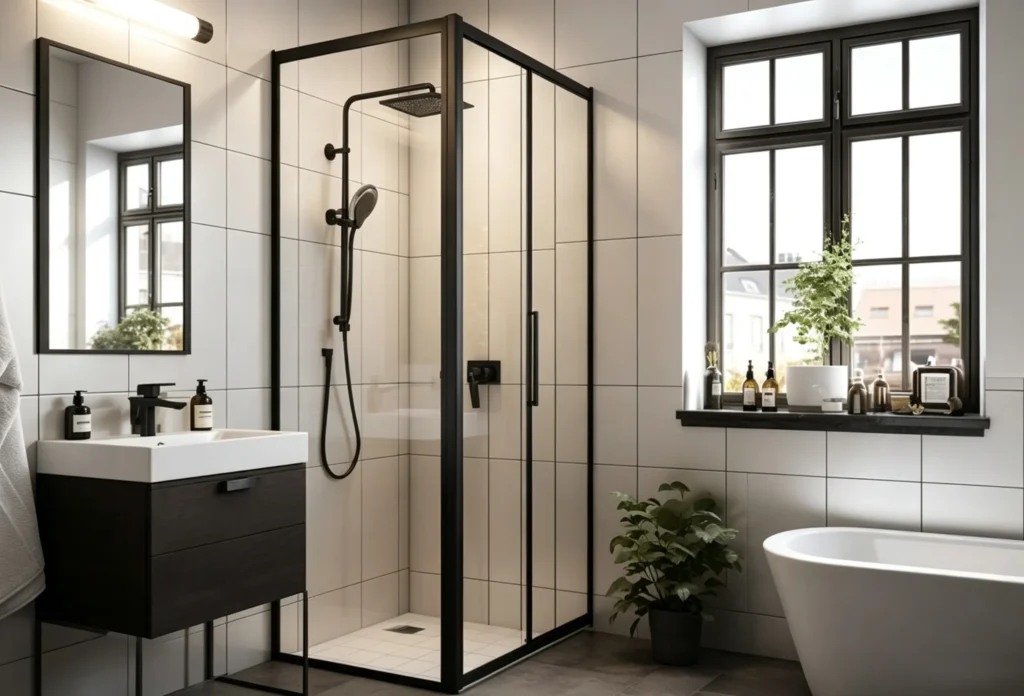
Is It Safe to Have a Window in a Shower?
Yes, a window can be installed in a shower area, but it must be designed as part of a waterproof system.
A common mistake is treating a shower window like a normal bathroom window. Unlike a standard wall opening, a window inside a shower is exposed to:
- Direct water spray
- Constant humidity
- Temperature changes
- Soap and cleaning chemicals
Without proper detailing, water can enter around the frame, accumulate behind the wall, and eventually cause problems such as mold, leaks, or structural damage.
A successful shower window installation usually requires:
- A moisture-resistant window frame
- Proper flashing around the opening
- Waterproof membrane integration
- A sloped sill for drainage
- High-quality sealants suitable for wet areas
The window itself is only one part of the solution. The surrounding construction details are equally important.
How Do You Waterproof a Window in a Shower?
Waterproofing is the most important consideration when installing a window inside a shower.
1. Choose a Moisture-Resistant Window Material
The shower environment requires materials that can withstand long-term exposure to water and humidity.
Common options include:
Aluminum
Aluminum frames are widely used for modern bathroom windows because they offer:
- High corrosion resistance
- Structural strength
- Slim profiles
- Flexible finishes
- Custom sizing options
For projects requiring improved thermal performance, thermal-break aluminum systems can help reduce heat transfer through the frame.
uPVC
uPVC windows are also commonly used in residential applications because they require low maintenance and naturally resist moisture.
Wood
Wood frames are generally less suitable for shower environments because repeated exposure to moisture can cause swelling, cracking, or decay if not properly protected.
2. Install Proper Waterproof Membranes
The waterproofing layer around the window opening must connect with the shower wall waterproofing system.
The goal is to prevent water from reaching the wall structure behind the tiles.
Important installation details include:
- Continuous waterproof membrane around the frame
- Proper flashing at the window perimeter
- Sealed joints between window and surrounding materials
A small gap around the window can become a potential path for water infiltration over time.
3. Use a Sloped Window Sill
A flat sill can allow water to collect around the window frame.
A properly designed shower window sill should slope toward the shower area so water can drain away instead of remaining near the frame.
This simple design detail helps reduce:
- Standing water
- Sealant deterioration
- Mold growth
- Moisture penetration
What Type of Window Is Best for a Shower?
Not every window style is suitable for shower applications. The best option depends on ventilation requirements, available space, privacy needs, and exterior conditions.
Awning Windows
Awning windows are one of the most common choices for shower areas.
They are hinged at the top and open outward from the bottom.
Advantages:
- Good ventilation
- Helps block light rain when partially open
- Suitable for higher wall placement
- Maintains privacy when installed above eye level
Because the sash opens outward, awning windows are often suitable where exterior clearance is available.
Casement Windows
Casement windows are side-hinged windows that open outward like a door.
Advantages:
- Large opening area
- Strong ventilation performance
- Tight sealing when closed
- Suitable for modern bathroom designs
However, the opening direction and surrounding space should be considered before installation.
Fixed Windows
Fixed windows do not open, making them one of the simplest options for shower applications.
Advantages:
- Excellent waterproof reliability
- Minimal maintenance
- Maximum natural light
The limitation is that they cannot provide additional ventilation.
Fixed glazing works well when the bathroom already has sufficient mechanical ventilation.
Hopper Windows
Hopper windows are bottom-hinged windows that open inward from the top.
They can be useful where exterior space is limited because the sash does not swing outward.
However, the inward-opening design requires enough interior clearance and careful consideration of water exposure.
What Glass Is Best for a Shower Window?
Glass selection plays an important role in both the functionality and appearance of a shower window. The ideal glass should provide sufficient privacy while allowing natural light to enter the bathroom.
Common glass options include:
Frosted Glass
Frosted glass is one of the most popular choices for shower windows because it diffuses light while reducing visibility from outside. It provides a balance between privacy and brightness.
Obscure or Textured Glass
Obscure glass uses patterns or textures to blur the view while creating a decorative appearance. Options such as rain glass, reed glass, or patterned glass can add visual interest while maintaining privacy.
Tempered Glass
Tempered glass is commonly used in bathroom applications because it is stronger than standard glass and designed to break into smaller, less sharp pieces if damaged. For shower areas, safety glazing requirements should always be considered based on local building codes.
Double Glazing with Low-E Glass
For exterior-facing shower windows, double glazing combined with Low-E coatings can improve thermal performance, reduce heat transfer, and help create a more comfortable indoor environment.
The right glass choice depends on the window location, privacy requirements, climate, and overall bathroom design.
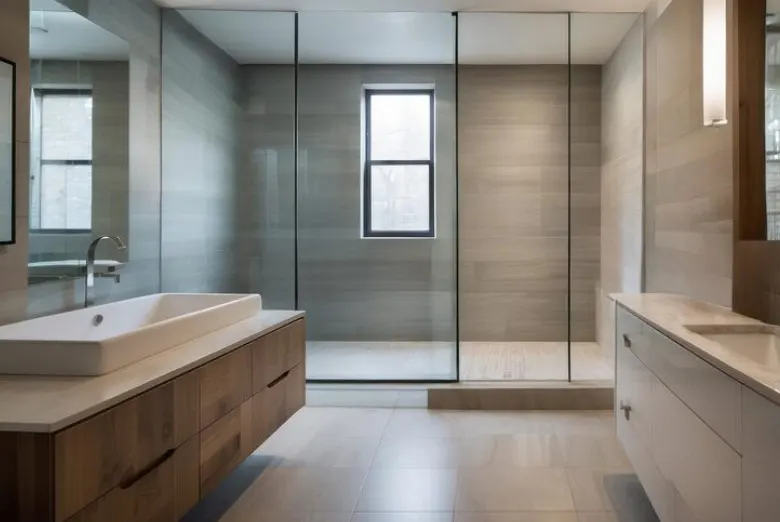
How to Maintain Privacy With a Window in a Shower?
Privacy is one of the biggest concerns when adding a window to a shower. A well-designed shower window should allow daylight and ventilation without compromising comfort.
Use Privacy Glass
The most reliable solution is selecting privacy glass during manufacturing.
Popular options include:
- Frosted glass
- Obscure glass
- Textured glass
- Patterned glass
Unlike temporary coverings, privacy glass provides a permanent solution with minimal maintenance.
Choose the Right Window Position
Window placement has a major impact on privacy.
Common design approaches include:
- Installing the window higher on the wall
- Using narrow horizontal windows
- Positioning the window above eye level
- Combining smaller windows instead of one large clear opening
A higher window placement can allow natural light into the shower while reducing direct visibility.
Consider Window Size and Orientation
A larger window can create a stronger connection with the outdoors, but privacy requirements become more important.
For bathrooms facing neighboring buildings or public areas, smaller openings or privacy glazing are usually more suitable.
Are Aluminum Windows Suitable for Shower Applications?
Yes, aluminum windows can be suitable for shower applications when they are properly designed and installed.
Aluminum is commonly selected for bathroom and wet-area windows because of its durability, design flexibility, and resistance to moisture-related problems.
Advantages of Aluminum Shower Windows
Corrosion Resistance
Quality aluminum frames are resistant to rust and degradation, making them suitable for humid environments such as bathrooms.
Slim and Strong Profiles
Aluminum’s structural strength allows manufacturers to create slimmer frames while maintaining durability. This can maximize the glass area and allow more natural light into the shower.
Custom Design Options
Aluminum windows can be customized in:
- Sizes
- Frame finishes
- Colors
- Glass options
- Opening configurations
- Hardware systems
This makes them suitable for different architectural styles and bathroom layouts.
Easy Maintenance
Unlike wood frames, aluminum does not require regular painting or treatment to protect against moisture damage.
For projects requiring improved thermal performance, thermal-break aluminum systems combined with suitable glazing can help reduce heat transfer through the frame.
Common Mistakes When Installing a Window in a Shower
A shower window can perform well for many years when properly designed. However, several common mistakes can create long-term problems.
Using Unsuitable Frame Materials
Traditional wood frames can absorb moisture and may deteriorate over time if exposed to constant humidity.
For wet areas, moisture-resistant materials such as aluminum, uPVC, or other suitable window systems are generally preferred.
Ignoring Waterproofing Details
A high-quality window alone cannot prevent leaks.
The connection between the window frame, waterproof membrane, flashing, and surrounding wall system must be properly integrated.
Choosing Clear Glass Without Considering Privacy
A clear window may provide excellent daylight but can create privacy concerns, especially in bathrooms facing neighbors or public areas.
Privacy glass should be considered during the design stage rather than added later.
Installing the Wrong Window Type
Different window styles serve different purposes.
For example:
- Awning windows work well when outward ventilation is preferred.
- Hopper windows are useful when exterior space is limited.
- Fixed windows provide maximum simplicity and low maintenance.
The best option depends on the bathroom layout and ventilation requirements.
Window in Shower: Key Factors to Consider Before Installation
Before adding a window to a shower area, consider the following factors:
Location
The window position affects:
- Privacy
- Water exposure
- Natural lighting
- Ventilation
Window Type
Choose a configuration based on whether you need:
- Ventilation
- Easy maintenance
- Maximum glass area
- Limited exterior clearance
Frame Material
Consider durability, appearance, maintenance, and moisture resistance.
Glass Selection
Select glazing based on:
- Privacy needs
- Safety requirements
- Thermal performance
- Design preferences
Waterproofing System
Ensure the window installation works together with the shower waterproofing system.
A successful shower window installation depends on the complete system, not just the window itself.
FAQs About Window in Shower
Can you have a window in a shower?
Yes, you can install a window in a shower. However, the window must be properly waterproofed and designed with suitable materials, glazing, and installation details to withstand constant moisture exposure.
What type of window is best for a shower?
Awning windows, fixed windows, and some casement or hopper window configurations can be suitable for showers depending on ventilation needs, available space, and privacy requirements.
How do you waterproof a window in a shower?
A shower window requires proper flashing, waterproof membranes, sealed joints, and a sloped sill to prevent water from accumulating around the frame.
What glass is best for a shower window?
Frosted, obscure, textured, and tempered glass are commonly used for shower windows because they provide privacy, safety, and durability.
Are aluminum windows good for bathrooms?
Yes. Aluminum windows are durable, corrosion-resistant, low-maintenance, and available in many custom designs, making them suitable for bathroom applications.
Can a shower window open?
Yes. Operable windows such as awning, casement, or hopper windows can provide additional ventilation. The best choice depends on the bathroom layout and exterior conditions.
Final Thoughts
A window in a shower can transform a bathroom by adding natural light, ventilation, and architectural appeal. However, long-term performance depends on choosing the right window type, waterproofing system, glass, and frame material.
For modern residential and commercial projects, properly designed aluminum shower windows provide a durable and flexible solution that balances aesthetics, performance, and customization requirements.
Need a custom window solution for your shower project? Contact us at wang@gddlsn.com for tailored designs, glass options, and professional support.