
The average door installation cost ranges from $300 to $2,500 or more, depending on the door type, material, labor requirements, and whether you’re replacing an existing door or creating a new opening. Interior doors typically cost less to install than exterior doors, while custom and oversized doors require significantly higher labor and material costs.
If you’re planning to replace or install a new door, understanding what influences the final price can help you budget more accurately and avoid unexpected expenses. From labor rates and frame repairs to door materials and hardware upgrades, several factors contribute to the total installation cost.
This guide explains average installation costs, compares different door types, breaks down labor expenses, and highlights the hidden costs that many homeowners overlook.
Average Door Installation Cost
Door installation costs vary depending on the complexity of the project. Replacing an existing door with a similar-sized model is generally the most affordable option, while installing a door in a new wall opening requires additional framing, finishing, and structural work.
Below is a general pricing guide.
| Installation Type | Typical Total Cost |
|---|---|
| Interior door replacement | $300–$900 |
| Exterior door replacement | $700–$2,500+ |
| New door installation | $1,200–$4,000+ |
| Custom or oversized doors | $2,500–$8,000+ |
These estimates usually include labor but may not include optional upgrades such as premium hardware, trim replacement, painting, or structural modifications.
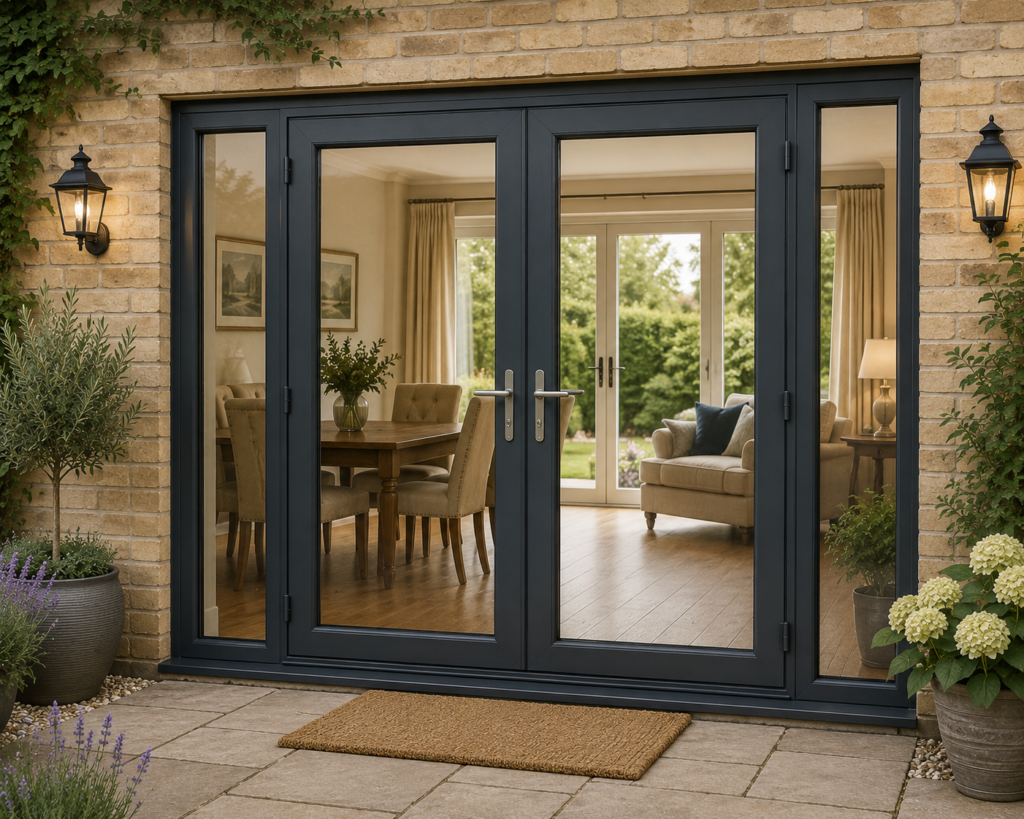
Door Installation Cost by Door Type
The type of door has the greatest influence on installation costs because each design requires different levels of labor and expertise.
Interior Doors
Interior doors are generally the simplest and most affordable to install because they do not require weatherproofing or advanced sealing.
Typical installation cost:
$300–$900
Common interior door styles include:
- Hollow-core doors
- Solid-core doors
- Bedroom doors
- Bathroom doors
- Laundry room doors
If the existing frame is still in good condition, labor costs remain relatively low.
Exterior Entry Doors
Exterior doors require significantly more work than interior doors.
Installation typically includes:
- Weatherproof sealing
- Threshold installation
- Flashing
- Insulation
- Security hardware adjustment
Typical installation cost:
$700–$2,500+
Premium entry systems with sidelights, decorative glass, or custom finishes can cost substantially more.
Sliding Patio Doors
Sliding doors involve larger openings and heavier glass panels, increasing both material and labor costs.
Typical installation cost:
$1,200–$4,500
Factors affecting pricing include:
- Door size
- Glass type
- Frame material
- Existing opening condition
French Doors
French doors require precise alignment to ensure both panels operate smoothly and seal properly.
Typical installation cost:
$1,500–$5,000
Additional labor may be needed for:
- Structural modifications
- Reinforced framing
- Threshold adjustments
Storm Doors
Storm doors are installed in front of an existing exterior door to provide additional weather protection and energy efficiency.
Typical installation cost:
$300–$800
Since they use the existing doorway, installation is usually faster and less expensive than replacing the main entry door.
Pocket Doors
Pocket doors slide into the wall cavity, making installation considerably more complex than traditional hinged doors.
Typical installation cost:
$800–$3,500
Installing a new pocket door often requires:
- Opening the wall
- Framing modifications
- Drywall repair
- Painting after installation
What Factors Affect Door Installation Cost?
Many homeowners assume the price depends only on the door itself. In reality, labor and site conditions often have a greater impact on the final bill.
1. Door Material
Different materials vary in weight, durability, and installation complexity.
For example:
- Hollow-core doors are lightweight and easy to install.
- Solid wood doors require more labor due to their weight.
- Steel doors often need precise adjustments to ensure proper sealing.
- Fiberglass doors combine durability with good energy efficiency but generally cost more than standard interior doors.
Premium materials typically increase both material costs and installation time.
2. Existing Door Frame Condition
One of the biggest variables is whether the existing frame can be reused.
If the frame is:
- Square
- Structurally sound
- Free from rot or water damage
installation is relatively straightforward.
However, if the frame requires repair or replacement, labor costs can increase significantly due to additional carpentry work.
3. Door Size
Standard-sized doors are generally less expensive to install because they require minimal customization.
Oversized or custom-sized doors may require:
- Frame modifications
- Structural reinforcement
- Special ordering
- Additional installation time
As door size increases, labor costs typically rise as well.
4. Hardware and Accessories
Many installation quotes only include the basic door installation.
Additional components may include:
- Smart locks
- Deadbolts
- Handlesets
- Hinges
- Door closers
- Security hardware
Choosing premium hardware can noticeably increase the total project cost.
5. Labor Costs
Labor rates vary depending on:
- Geographic location
- Installer experience
- Project complexity
- Door type
Simple interior door replacements may take only a few hours, while installing a new exterior entry system or creating a new opening can require a full day or longer.
Projects involving electrical work, structural modifications, or specialty doors generally command higher labor rates.
6. Removal of the Existing Door
Replacing an old door often includes additional work such as:
- Removing the existing slab
- Disposing of old materials
- Repairing damaged trim
- Cleaning the opening
These tasks may be charged separately depending on the contractor and project scope.
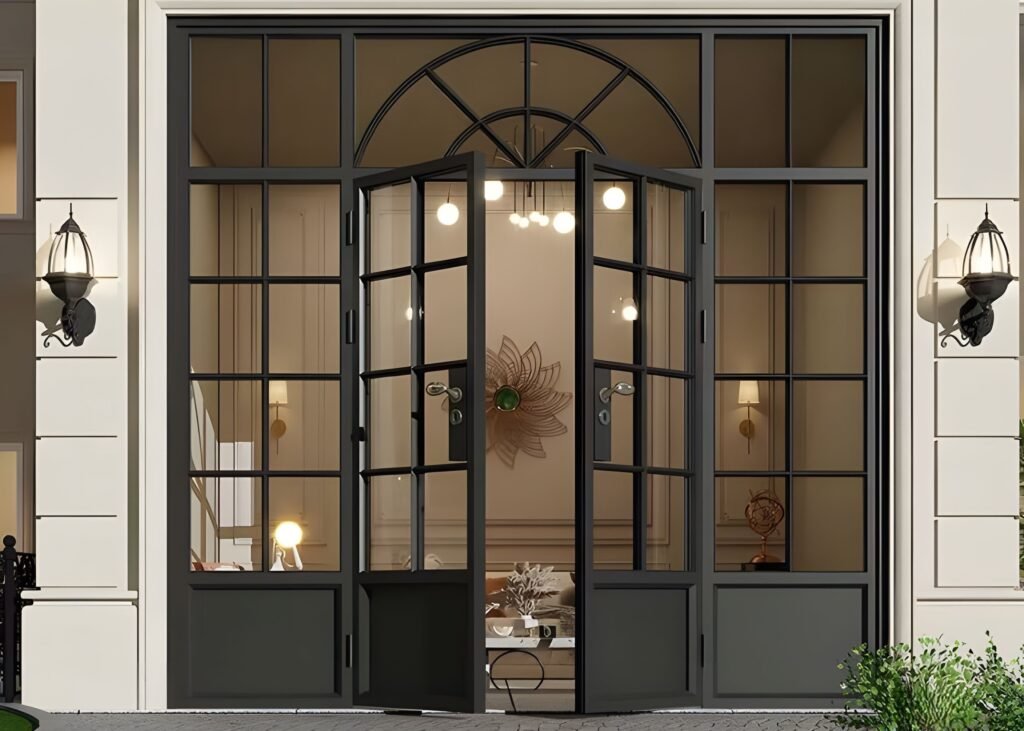
Interior vs. Exterior Door Installation Cost
Many homeowners are surprised by the price difference between interior and exterior door installation.
Interior doors are lighter, simpler to install, and generally do not require weather sealing or advanced security hardware.
Exterior doors, on the other hand, must provide protection against weather, improve energy efficiency, and enhance home security. As a result, installation is more labor-intensive and often includes insulation, flashing, threshold adjustments, and precise sealing to prevent air and water infiltration.
Although exterior doors require a larger upfront investment, they can improve energy performance, increase security, and enhance curb appeal, making them a worthwhile long-term upgrade.
Door Installation Labor Cost Breakdown
In many projects, labor represents a significant portion of the total installation cost. While homeowners often focus on the price of the door itself, the complexity of the installation usually has a greater impact on the final quote.
Several factors influence labor costs, including the type of door, the condition of the existing opening, and whether structural modifications are required.
Typical Labor Costs
| Installation Type | Estimated Labor Cost |
|---|---|
| Interior door replacement | $150–$400 |
| Exterior door replacement | $300–$800 |
| Sliding patio door installation | $500–$1,500 |
| French door installation | $600–$2,000 |
| New door opening | $800–$2,500+ |
Labor costs generally increase when installers need to:
- Replace or repair the door frame
- Modify rough openings
- Install new trim or casing
- Upgrade thresholds
- Repair drywall or flooring
- Adjust structural framing
These additional tasks often explain why two similar-looking door installations can have very different price quotes.
Hidden Costs Homeowners Often Overlook
Many online estimates only include the basic installation fee. In reality, several additional expenses may affect your overall budget.
Common hidden costs include:
Door Frame Repair
Water damage, rot, or structural issues may require replacing part or all of the frame before the new door can be installed.
Trim Replacement
Removing an old door sometimes damages interior or exterior trim, requiring replacement or repainting.
Hardware Upgrades
New installations may require:
- Deadbolts
- Smart locks
- Lever handles
- Door closers
- Security strike plates
Premium hardware can significantly increase the overall project cost.
Painting or Finishing
Wood doors often require staining or painting after installation, while surrounding trim may also need touch-up work.
Disposal Fees
Some contractors charge separately for removing and disposing of old doors and construction debris.
Understanding these potential expenses helps homeowners compare quotations more accurately and avoid unexpected costs later.
DIY vs. Professional Door Installation
Some homeowners consider installing a door themselves to reduce labor costs. While DIY installation may be practical for certain interior doors, it is not always the most cost-effective solution.
When DIY May Be Appropriate
DIY installation is generally suitable for:
- Standard interior doors
- Simple slab door replacements
- Homeowners with carpentry experience
- Projects using an existing frame in good condition
In these situations, installation is relatively straightforward and specialized tools are limited.
When Professional Installation Is Recommended
Professional installation is usually the better choice for:
- Exterior entry doors
- Sliding patio doors
- French doors
- Fire-rated doors
- Security doors
- Custom-sized doors
These installations require precise alignment, proper weather sealing, and compliance with local building standards.
Poor installation can lead to problems such as:
- Air leaks
- Water infiltration
- Difficulty opening or closing the door
- Premature hardware wear
- Reduced energy efficiency
- Security concerns
Correcting installation mistakes often costs more than hiring a professional from the beginning.
How to Reduce Door Installation Costs
Although door installation is a significant investment, there are several ways to control costs without sacrificing quality.
Reuse an Existing Frame
If the current frame is structurally sound and properly aligned, reusing it can substantially reduce labor expenses.
Choose Standard Door Sizes
Standard-sized doors are widely available and require less customization, making both the door and installation more affordable.
Install Multiple Doors at the Same Time
Replacing several doors during one project allows contractors to work more efficiently and may reduce the average installation cost per door.
Compare Detailed Quotes
Instead of comparing only the total price, request itemized quotations that separate:
- Door cost
- Labor
- Hardware
- Frame repairs
- Disposal fees
- Optional upgrades
This makes it easier to identify unnecessary charges and compare contractors fairly.
Select the Right Door for Your Needs
The most expensive door is not always the best choice. Consider your priorities, such as energy efficiency, durability, security, maintenance requirements, and architectural style before making a decision.
Is Door Installation Worth the Investment?
For most homeowners, the answer is yes.
A professionally installed door offers benefits beyond appearance, including:
- Improved energy efficiency
- Better home security
- Reduced drafts
- Enhanced weather resistance
- Increased property value
- Better daily operation
Quality installation is just as important as selecting the right door. Even a premium door may underperform if it is installed incorrectly.
Final Thoughts
Door installation costs vary widely because every project is different. The type of door, installation complexity, frame condition, labor rates, and optional upgrades all contribute to the final price.
For a simple interior door replacement, costs remain relatively affordable. Larger projects involving exterior entry doors, sliding patio doors, or French doors require a higher investment but often provide long-term benefits in energy efficiency, security, and curb appeal.
Before making a decision, compare multiple detailed quotes, understand exactly what is included in the installation, and choose a qualified installer with experience in your specific door type. A well-installed door can provide reliable performance and lasting value for many years.
Need a custom door solution or a professional quotation for your project? Contact our team at wang@gddlsn.com for expert guidance, competitive pricing, and tailored recommendations to meet your specific requirements.
FAQs
Most homeowners spend between $300 and $2,500, depending on the door type, material, labor requirements, and whether it is a replacement or a new installation.
Exterior doors require additional work such as weatherproofing, insulation, threshold installation, and security hardware, making installation more labor-intensive than interior doors.
Not always. Some contractors quote labor only, while others provide a complete package that includes the door, hardware, and installation. Always confirm what is included before accepting a quotation.
DIY installation may be suitable for simple interior door replacements if you have the necessary tools and experience. However, exterior doors and custom installations are generally best handled by professionals.
The largest cost factors include the type of door, material, labor rates, frame condition, hardware upgrades, structural modifications, and your geographic location.