
When building or renovating a home, many homeowners ask the same practical question: what is the most common window size for a house? While window sizes can vary based on architecture and region, several dimensions are used so frequently that they’re considered industry standards.
Understanding these common window sizes can help you plan your project more efficiently, reduce costs, and simplify installation.
Is There One Standard Window Size for Homes?
There is no single universal window size that fits every house. However, manufacturers commonly produce windows in a range of standard sizes that work for most residential designs. These sizes are widely available, cost-effective, and compatible with modern building practices.
Among these, a few dimensions stand out as the most popular choices.

The Most Common Residential Window Size
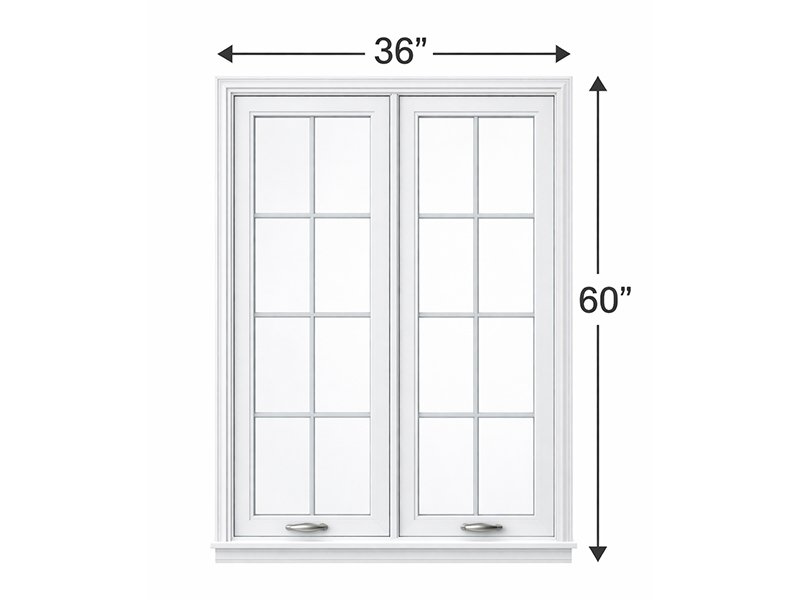
For typical homes, the most common window size is approximately 36 inches wide by 60 inches tall (36×60). This size is frequently used because it offers:
- A balanced amount of natural light
- Compatibility with many room layouts
- Easy availability from most manufacturers
This size is especially popular for double-hung and single-hung windows in bedrooms and living areas.
Discover more:
Is 34×58 a Standard Window Size?
Is 36×60 a Standard Window Size?
Is 24×36 a Standard Window Size?
Is 36×36 a Standard Window Size?
Casement Window Dimensions – A Complete Guide
Sliding Window Sizes – A Complete Guide
Other Popular Window Sizes in Homes
In addition to 36×60, homeowners often choose:
- 24×36 inches – common for bathrooms and small rooms
- 32×54 inches – frequently used in older homes
- 48×48 inches – popular for larger living spaces
- 60×72 inches – often used for picture or fixed windows
These sizes are considered “standard” and are usually easier to source than custom dimensions.
Why Standard Window Sizes Are So Popular
Standard window sizes dominate residential construction for good reasons:
- Lower cost compared to custom windows
- Faster manufacturing and delivery
- Simpler replacement and installation
- More design and material options
For most homeowners, choosing a common size makes both financial and practical sense.
When a Custom Window Size Makes More Sense
Despite the popularity of standard sizes, custom windows may be needed if:
- Your home has non-standard wall openings
- You’re renovating a historic or architectural property
- You want oversized or floor-to-ceiling windows
- You’re creating a unique design feature
Custom sizing allows more flexibility but usually comes with higher costs and longer lead times.
Conclusion
So, what is the most common window size for a house? While several sizes are widely used, 36×60 inches stands out as the most popular choice in modern residential homes. It offers the ideal balance of light, ventilation, affordability, and availability.
If you need guidance on choosing standard or custom window sizes for your project, feel free to contact us.
Email: wang@gddlsn.com