
Choosing the right window size is one of the most important decisions in any construction or renovation project. Standard window sizes make manufacturing easier, reduce costs, and simplify installation. While custom windows are always an option, understanding common window dimensions helps you plan more efficiently.
In this guide, we’ll explore the most common window sizes and explain how to determine the right size for your home or commercial building.
The Most Common Window Size
Although window sizes vary by style and region, some dimensions are widely used in residential construction.
For many homes, a standard window size typically ranges:
- Width: 24 to 48 inches (600mm to 1200mm)
- Height: 36 to 60 inches (900mm to 1500mm)
One of the most common sizes for living rooms and bedrooms is approximately:
- 36 inches wide × 48 inches high (3’0″ × 4’0″)
These sizes offer a good balance between natural light, ventilation, and structural compatibility.
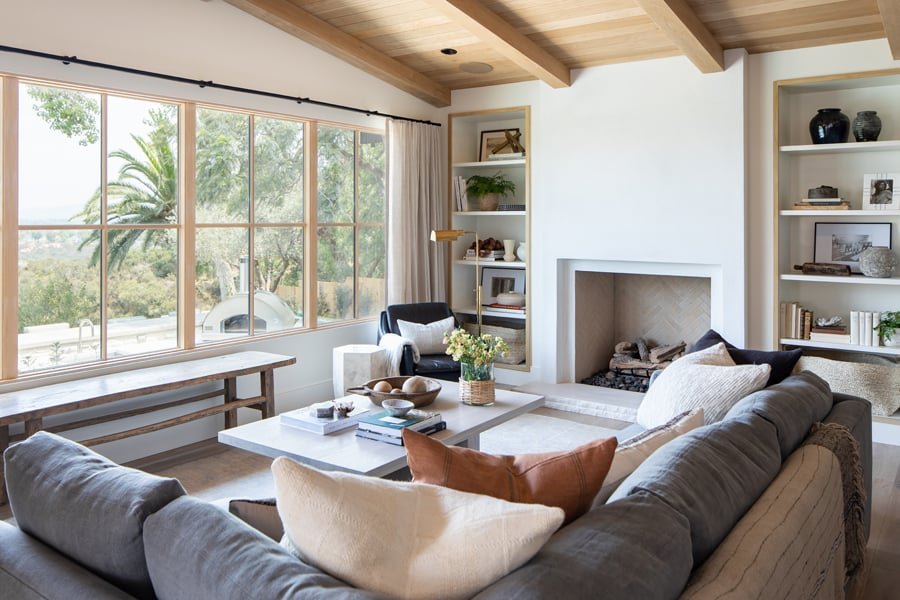
Picture Window Standard Sizes
Picture windows are fixed windows designed to maximize views and natural light. Since they do not open, they are often larger than other window types.
Common picture window sizes include:
- 36″ × 48″
- 48″ × 60″
- 60″ × 72″
- 72″ × 48″
Picture windows are ideal for living rooms, staircases, and areas where ventilation is not required.
Casement Window Standard Sizes
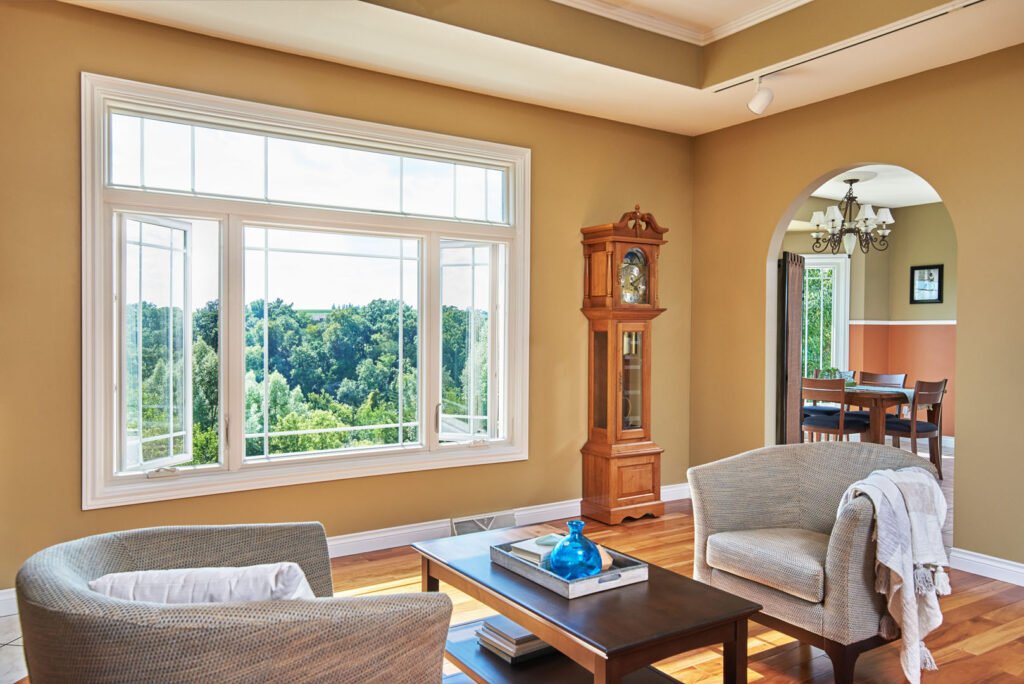
Casement windows are hinged on one side and open outward. They provide excellent ventilation and a tight seal when closed.
Standard casement window sizes typically range:
- Width: 14″ to 36″
- Height: 29″ to 72″
Popular sizes include:
- 24″ × 48″
- 30″ × 60″
- 36″ × 72″
Discover more: Casement Window Dimensions – A Complete Guide
Sliding Window Standard Sizes
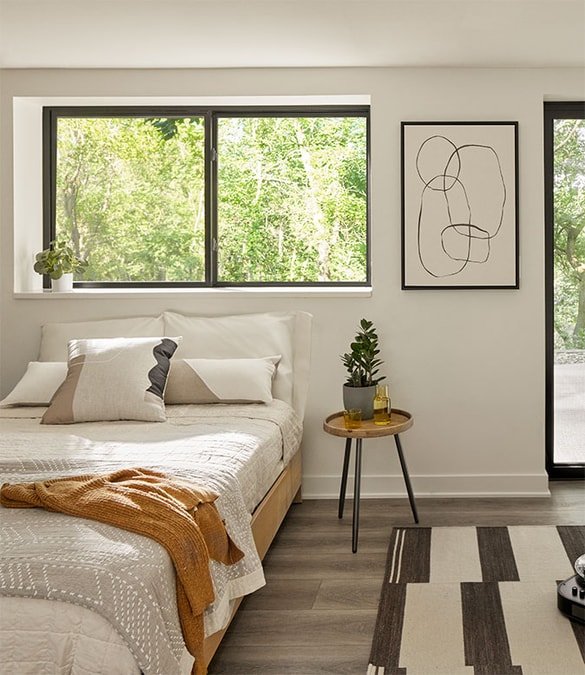
Sliding windows (also called gliding windows) open horizontally and are easy to operate. They are often used in modern homes.
Typical sliding window sizes include:
- 36″ × 24″
- 48″ × 36″
- 60″ × 48″
- 72″ × 48″
Standard sliding windows generally range:
- Width: 36″ to 84″
- Height: 24″ to 60″
Discover more: Sliding Window Sizes – A Complete Guide
Awning Window Standard Sizes
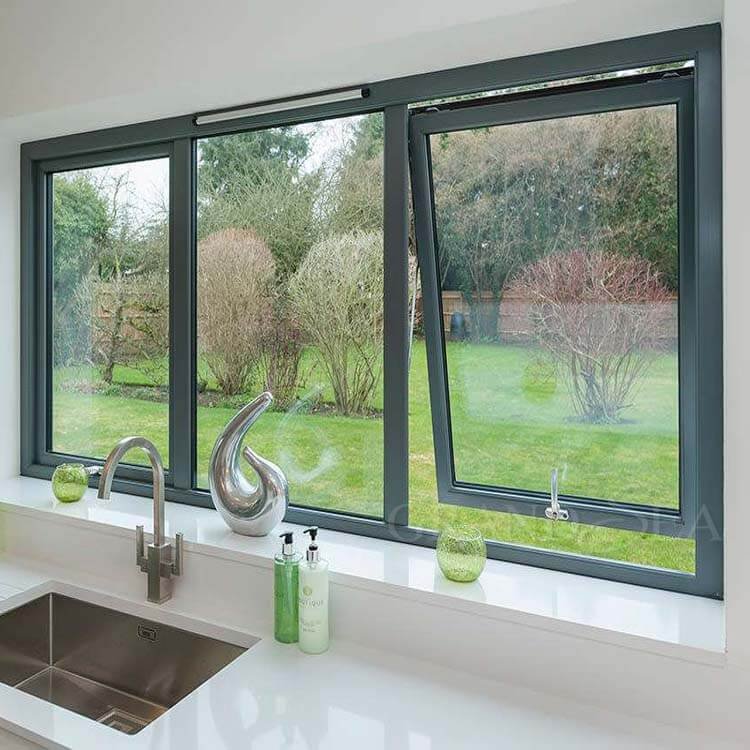
Awning windows are hinged at the top and open outward from the bottom. They are ideal for ventilation even during light rain.
Common awning window sizes:
- Width: 24″ to 48″
- Height: 16″ to 36″
Popular dimensions include:
- 24″ × 24″
- 36″ × 24″
- 48″ × 24″
Awning windows are often installed above or below larger fixed windows.
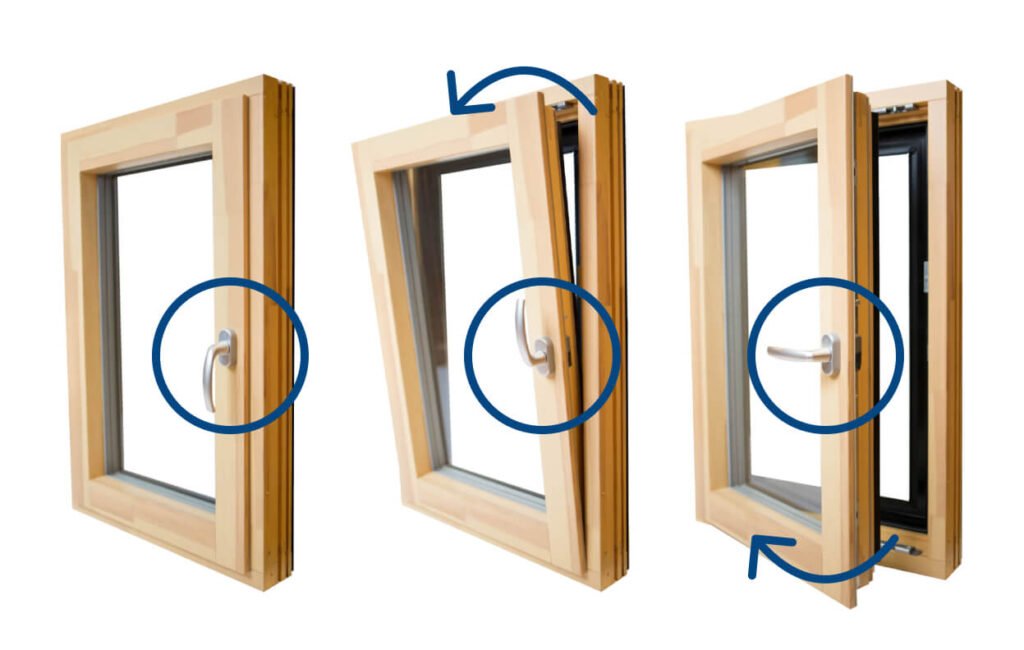
Tilt and Turn Window Standard Sizes
Tilt and turn windows are popular in Europe and modern architectural designs. They can tilt inward for ventilation or swing open like a casement window.
Standard sizes generally range:
- Width: 24″ to 48″
- Height: 36″ to 72″
Common sizes include:
- 36″ × 48″
- 36″ × 60″
- 48″ × 72″
These windows are valued for their versatility, energy efficiency, and security.
Bay Window Standard Sizes
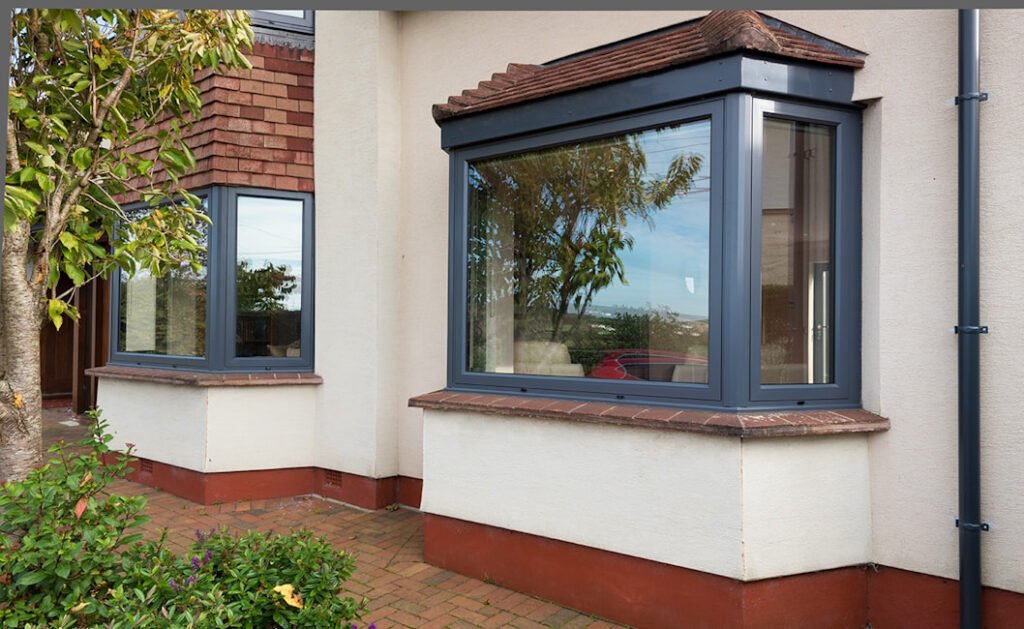
Bay windows extend outward from the wall and usually consist of three panels. They create additional interior space and enhance natural lighting.
Typical bay window dimensions:
- Width: 42″ to 126″
- Height: 36″ to 78″
Common configurations include:
- 3-panel bay window (center fixed + two operable sides)
- 4-panel or 5-panel designs for larger spaces
Because bay windows project outward, custom sizing is often required.
Double-Hung Window Standard Sizes
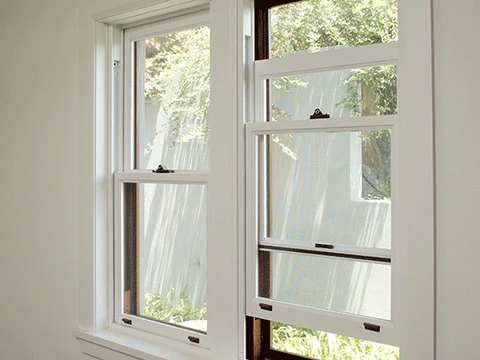
Double-hung windows feature two vertically sliding sashes. They are one of the most traditional window styles.
Standard double-hung window sizes:
- Width: 24″ to 48″
- Height: 36″ to 72″
Popular sizes include:
- 24″ × 36″
- 36″ × 48″
- 36″ × 60″
They are widely used in bedrooms, living rooms, and traditional homes.
How Do I Know What Window Size I Need?
To determine the right window size for your project, follow these steps:
1. Measure the Rough Opening
Measure the width and height of the wall opening where the window will be installed.
2. Consider Building Codes
Local building regulations may specify minimum window sizes, especially for bedrooms (egress requirements).
3. Evaluate Ventilation and Lighting Needs
Larger windows provide more daylight, while operable windows improve airflow.
4. Think About Energy Efficiency
Proper sizing combined with high-quality glazing improves insulation and reduces energy costs.
5. Decide Between Standard or Custom
Standard window sizes are more cost-effective and faster to deliver. Custom windows are ideal for unique architectural designs.
Conclusion
Understanding standard window sizes helps homeowners, architects, and developers plan projects more efficiently. Whether you need picture windows for panoramic views, sliding windows for modern spaces, or tilt and turn windows for enhanced functionality, selecting the right dimensions ensures optimal performance and appearance.
If you are looking for high-quality aluminum window solutions, Delanshini Doors and Windows is a trusted partner. As one of the leading aluminium window makers in China, Delanshini specializes in the design and production of system aluminium windows, custom sliding patio doors, bifold aluminium windows, and other premium architectural door and window systems.
With more than 20 years of manufacturing experience, Delanshini operates a 6,000+ square meter facility equipped with advanced production equipment and automated assembly lines imported from Germany and Italy. Its integrated supply chain—including its own aluminum factory, glass factory, and door and window factory—ensures excellent product consistency, efficient delivery, and strong production capacity.
For project inquiries and custom solutions, contact: wang@gddlsn.com