
Aluminum windows are one of the most stylish and durable choices for modern buildings. They combine strength, energy efficiency, and slim-profile aesthetics, making them suitable for residential, commercial, and industrial spaces alike. One of the biggest advantages of aluminum is its design flexibility, allowing manufacturers to create a wide range of window styles to suit different needs.
In this guide, we’ll explore the most popular types of aluminum windows and help you decide which option is right for your project.
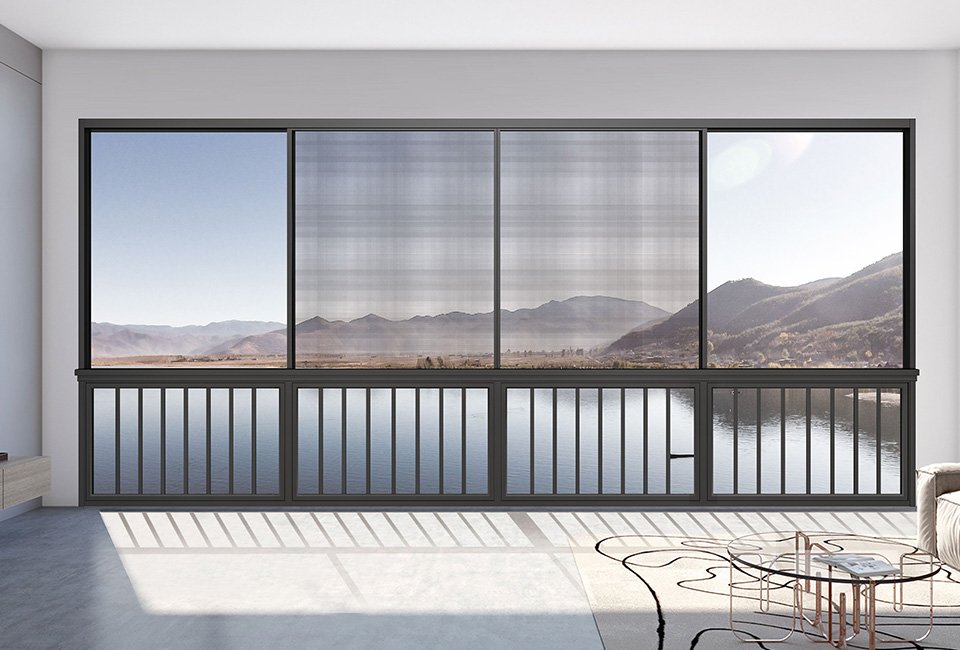
1. Sliding Aluminum Windows
Sliding windows move horizontally along a track, offering a smooth and space-saving operation.
Key Benefits:
- Saves interior and exterior space
- Wide glass panels maximize natural light
- Easy to operate and maintain
Best For: Apartments, offices, and modern homes where space is limited.
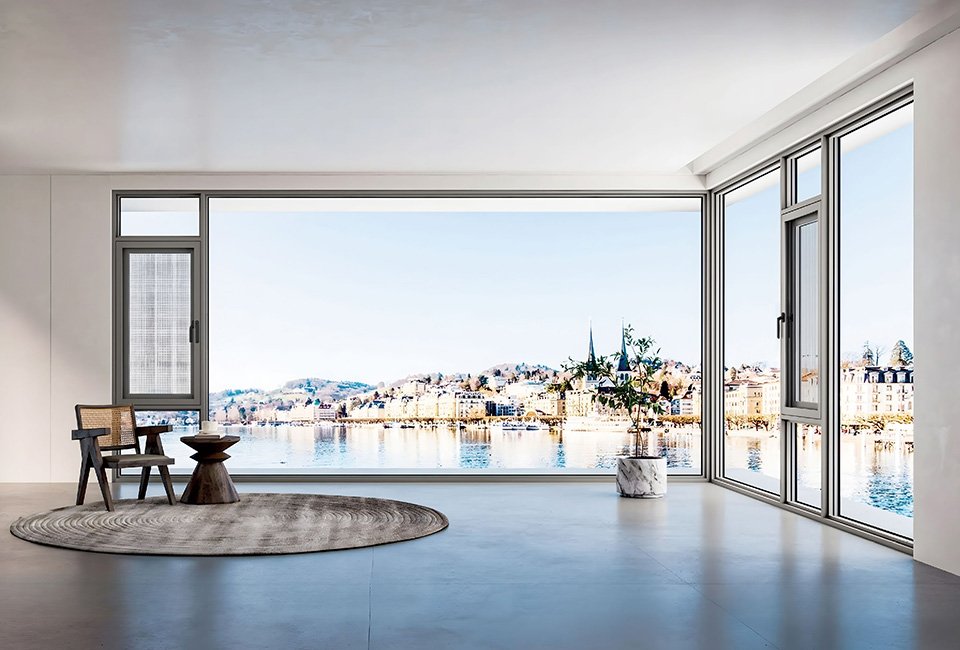
2. Casement Aluminum Windows
Casement windows are hinged at the side and open outward (or inward in some cases), allowing maximum ventilation.
Key Benefits:
- Excellent airflow and natural ventilation
- Tight sealing for better insulation
- Unobstructed outdoor views
Best For: Bedrooms, kitchens, and living rooms.
3. Tilt & Turn Aluminum Windows
These versatile windows offer dual functionality—they can tilt inward from the top for secure ventilation or swing open like a casement.
Key Benefits:
- Two-in-one operation for flexibility
- Easy to clean from indoors
- Superior energy efficiency and soundproofing
Best For: High-rise buildings and modern urban homes.
4. Fixed Aluminum Windows
Fixed windows do not open, but they allow large amounts of light into a room while providing a sleek, modern look.
Key Benefits:
- Maximum visibility and natural lighting
- Simple design with minimal maintenance
- Cost-effective for large glass panels
Best For: Feature walls, commercial buildings, and hallways.
5. Awning Aluminum Windows
Awning windows are hinged at the top and open outward, making them perfect for continuous airflow—even during light rain.
Key Benefits:
- Ventilation without letting in rain
- Modern and practical design
- Compact and functional
Best For: Bathrooms, kitchens, and basements.
6. Bay & Bow Aluminum Windows
Bay and bow windows extend outward from a wall, creating additional interior space while enhancing architectural appeal.
Key Benefits:
- Expands interior space for seating or decoration
- Allows sunlight from multiple angles
- Adds elegance and visual character
Best For: Villas, luxury homes, and spacious living rooms.
Comparison Table: Types of Aluminum Windows
| Window Type | Features | Best Applications |
|---|---|---|
| Sliding Windows | Horizontal movement, space-saving, modern look | Apartments, offices, compact spaces |
| Casement Windows | Hinged, wide opening, excellent ventilation | Kitchens, bedrooms, living rooms |
| Tilt & Turn Windows | Dual-function (tilt & swing), secure, versatile | High-rise buildings, urban homes |
| Fixed Windows | Non-opening, large glass area, minimal upkeep | Feature walls, commercial facades |
| Awning Windows | Top-hinged, opens outward, airflow during rain | Bathrooms, kitchens, basements |
| Bay & Bow Windows | Outward projection, adds space and sunlight | Villas, luxury residential spaces |
Final Thoughts
Aluminum windows offer a wide variety of styles, each designed to suit different architectural and functional needs. Whether you want space-saving sliding windows, versatile tilt & turn systems, or elegant bay windows, aluminum is the perfect choice for combining durability with modern design.
At Delanshini Doors and Windows, we specialize in custom aluminum window solutions. With over 20 years of experience, we provide factory-direct pricing, global shipping, and tailored services to meet the unique needs of every project.
Contact Delanshini Doors and Windows today at wang@gddlsn.com to get expert advice and a custom solution for your next building project.
FAQ – Aluminum Windows
Are aluminum windows better than vinyl windows?
Aluminum windows are generally stronger and better suited for modern architectural designs with larger glass panels and slimmer frames. Vinyl windows are often preferred for lower upfront cost and natural insulation performance. The best choice depends on your budget, climate, and design goals.
Are aluminum windows energy efficient?
Yes. Modern aluminum windows with thermal break technology, double glazing, and Low-E glass can achieve excellent energy efficiency and help reduce heat transfer.
What are thermal break aluminum windows?
Thermal break aluminum windows include an insulated barrier inside the aluminum frame that helps reduce heat transfer and improve insulation performance, especially in hot or cold climates.
Do aluminum windows cause condensation?
Older non-thermal aluminum windows may develop condensation in certain climates because aluminum conducts heat and cold easily. Modern thermal break aluminum windows significantly reduce condensation issues.
What are the disadvantages of aluminum windows?
Aluminum windows can be more expensive than vinyl windows, and lower-quality non-thermal systems may have weaker insulation performance. However, modern thermal break systems greatly improve energy efficiency.
Why are aluminum windows popular in modern homes?
Aluminum windows are popular in modern homes because they offer slim sightlines, larger glass areas, clean lines, and a minimalist architectural appearance.
Are aluminum windows durable?
Yes. Aluminum windows are highly durable and resistant to rust, warping, cracking, moisture, and UV exposure. High-quality systems can last for decades with minimal maintenance.
How long do aluminum windows last?
Well-manufactured aluminum windows can last 30 years or more depending on the environment, installation quality, and maintenance.
Are aluminum windows good for coastal homes?
Yes. Powder-coated or anodized aluminum windows are widely used in coastal areas because they offer strong corrosion resistance and weather durability.
Are aluminum windows secure?
Yes. Aluminum windows can be equipped with multi-point locking systems, reinforced frames, laminated glass, and other advanced security features.
Are aluminum windows more expensive than vinyl windows?
In many cases, yes. Aluminum windows usually cost more because of their structural strength, premium appearance, and suitability for large modern window systems.
Why do architects prefer aluminum windows?
Architects often prefer aluminum windows because they support oversized glass panels, slim frame profiles, and modern minimalist designs while maintaining structural strength.
Are aluminum windows low maintenance?
Yes. Aluminum windows require very little maintenance. Regular cleaning of the frames, tracks, and glass is usually enough to maintain their appearance and performance.
Which is better for large windows: aluminum or vinyl?
Aluminum is generally better for large windows because it provides greater structural strength and can support larger glass panels with slimmer frames.
Can aluminum windows improve home value?
Yes. High-quality aluminum windows can improve curb appeal, modernize a property’s appearance, and increase energy efficiency, which may help enhance overall property value.