
Sliding windows are one of the most popular window styles in modern homes and commercial buildings. They are easy to operate, space-saving, and suitable for a wide range of architectural designs. However, when choosing sliding windows, many people face one important question: should you choose horizontal sliding windows or vertical sliding windows?
Both styles have their own advantages, and the better option depends on your space, ventilation needs, appearance preferences, and functional requirements. In this guide, we’ll compare horizontal and vertical sliding windows to help you make the right decision.
What Are Horizontal Sliding Windows?
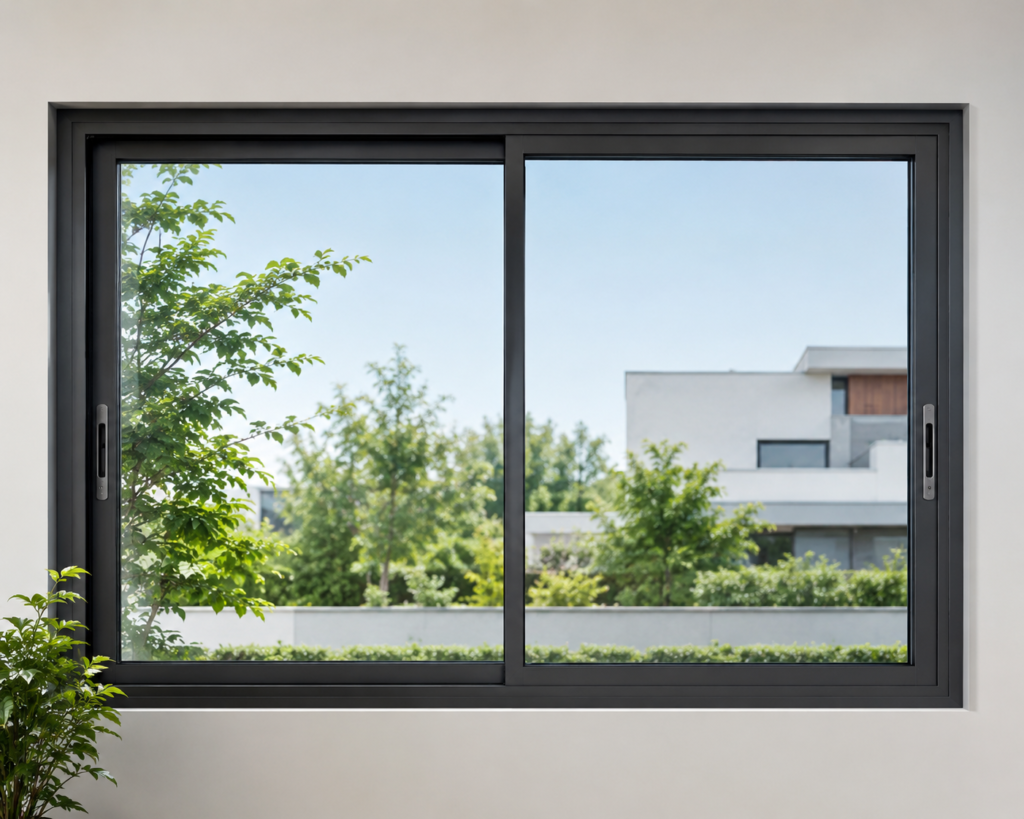
Horizontal sliding windows, sometimes called gliding windows, open by sliding the sash left or right along a horizontal track.
They are commonly used in:
- Modern homes
- Apartments
- Bedrooms
- Living rooms
- Wide wall openings
These windows are known for their simple operation and wide viewing area.
What Are Vertical Sliding Windows?
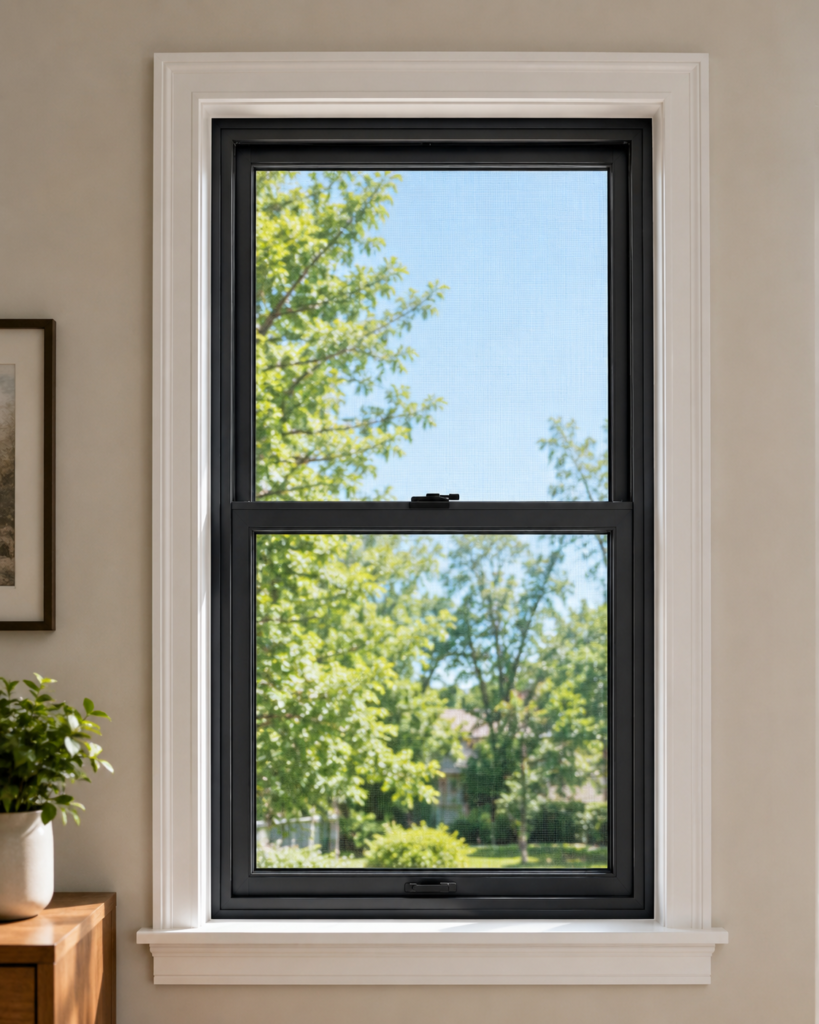
Vertical sliding windows, also known as single-hung or double-hung windows, open by moving the sash upward or downward.
They are commonly used in:
- Traditional homes
- Colonial-style buildings
- Historic renovations
- Compact spaces with limited wall width
Vertical sliding windows have a more classic appearance and are widely used in residential projects.
Horizontal vs. Vertical Sliding Windows: Quick Comparison
| Feature | Horizontal Sliding Windows | Vertical Sliding Windows |
|---|---|---|
| Opening Direction | Left and right | Up and down |
| Best for | Wide openings | Tall and narrow openings |
| Appearance | Modern and minimalist | Traditional and classic |
| Ventilation | Excellent airflow | Controlled airflow |
| Ease of Operation | Very easy | Slightly more effort |
| Maintenance | Simple track cleaning | Requires balance system maintenance |
| Energy Efficiency | Good with quality sealing | Often slightly better sealing |
| Space Saving | Does not swing outward | Also space-saving |
| Typical Applications | Contemporary homes | Traditional homes |
Design and Appearance
Horizontal sliding windows usually create a cleaner and more modern look. Their wide glass panels allow more natural light and unobstructed outdoor views, making them ideal for modern architecture.
Vertical sliding windows offer a timeless and elegant appearance. They are often preferred in traditional or classic home styles where architectural consistency is important.
If your project focuses on minimalist design and panoramic views, horizontal sliding windows are often the better choice. For classic aesthetics and traditional charm, vertical sliding windows may fit better.
Ventilation Performance
Ventilation is one of the biggest differences between these two window types.
Horizontal sliding windows can provide large open areas, allowing strong airflow into the room. This makes them suitable for warm climates and spaces that require better natural ventilation.
Vertical sliding windows provide more controlled airflow. Double-hung designs allow warm air to escape through the top opening while cooler air enters from the bottom, creating natural air circulation indoors.
For maximum airflow, horizontal sliding windows are usually superior. For balanced ventilation control, vertical sliding windows perform very well.
Ease of Use
Horizontal sliding windows are generally easier to operate because the sash moves smoothly on rollers. They are especially convenient for large window sizes and are often easier for children or elderly users.
Vertical sliding windows use balance systems or springs to support the sash weight. While modern systems are reliable, they may require slightly more force compared to horizontal sliding windows.
For simple daily operation, horizontal sliding windows often have an advantage.
Space Efficiency
Both window styles are excellent for saving space because neither swings inward nor outward.
This makes them ideal for:
- Rooms facing walkways
- Areas near patios
- Tight exterior spaces
- Apartments and condominiums
However, horizontal sliding windows usually work better for wide wall spaces, while vertical sliding windows are more suitable for narrow walls with greater height.
Cleaning and Maintenance
Horizontal sliding windows are relatively easy to clean because the tracks are simple and accessible. However, dirt and debris can collect in the bottom track and require regular cleaning.
Vertical sliding windows may require more maintenance due to their internal balance systems. Some modern double-hung windows include tilt-in sashes for easier cleaning.
In terms of long-term maintenance simplicity, horizontal sliding windows are often slightly easier.
Energy Efficiency
Energy efficiency depends more on frame quality, glass type, and sealing technology than on window style alone. However, vertical sliding windows often provide slightly tighter sealing because gravity helps keep the sash pressed against the frame.
High-quality aluminum, uPVC, or thermally broken systems can significantly improve energy performance for both window types.
For best results, look for:
- Double or triple glazing
- Low-E glass
- Weather-resistant seals
- Thermal break technology
Which One Is Better?
The answer depends on your project requirements.
Choose horizontal sliding windows if you want:
- A modern appearance
- Larger outdoor views
- Easier operation
- Better airflow
- Wide window openings
Choose vertical sliding windows if you want:
- A traditional design
- Better compatibility with classic architecture
- Controlled ventilation
- Narrower window layouts
- Slightly stronger sealing performance
Final Thoughts
Both horizontal and vertical sliding windows offer practical benefits and stylish designs. Horizontal sliding windows are often preferred for modern homes due to their clean appearance and smooth operation, while vertical sliding windows remain popular for traditional architecture and balanced ventilation.
The best choice depends on your building style, window opening size, ventilation needs, and personal design preferences.
At Delanshini Doors and Windows, we provide a wide range of customized aluminum sliding window solutions for residential and commercial projects. Whether you need modern horizontal sliding windows or classic vertical sliding windows, our team can help you find the right solution.
Email: wang@gddlsn.com