
French doors are a stylish and practical choice for both modern and traditional homes. They allow more natural light into the space, create an open feeling, and improve the connection between indoor and outdoor areas. However, choosing the right French door involves more than simply selecting a design you like.
This guide explains the key factors to consider before buying French doors, including size, materials, glass types, opening styles, and installation considerations.
What Are French Doors?
French doors are doors with large glass panels that are usually installed as a pair. They can be used for patios, balconies, gardens, living rooms, dining rooms, offices, and entryways.
French doors are popular because they:
- Bring in natural light
- Create a wider opening
- Improve ventilation
- Enhance the appearance of the home
- Work with both modern and classic designs

Choose Between Interior and Exterior French Doors
The first step is deciding whether the doors will be used indoors or outdoors.
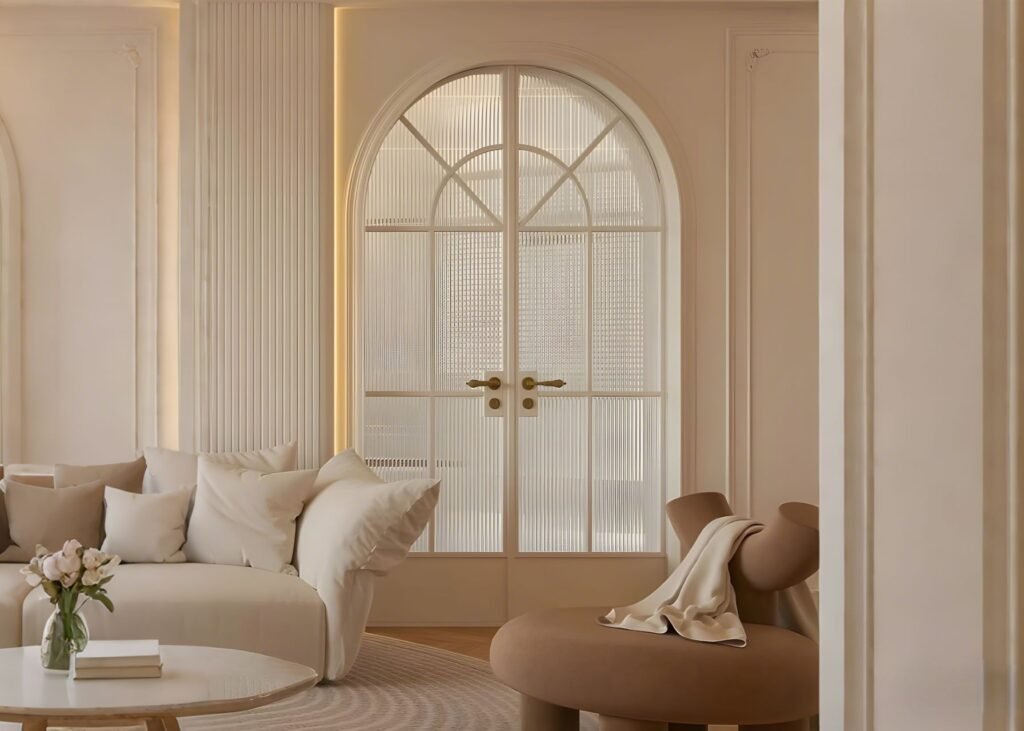
Interior French Doors
Interior French doors are commonly used for:
- Home offices
- Dining rooms
- Living rooms
- Bedrooms
These doors are generally lighter and thinner because they do not need heavy weather protection.
Exterior French Doors
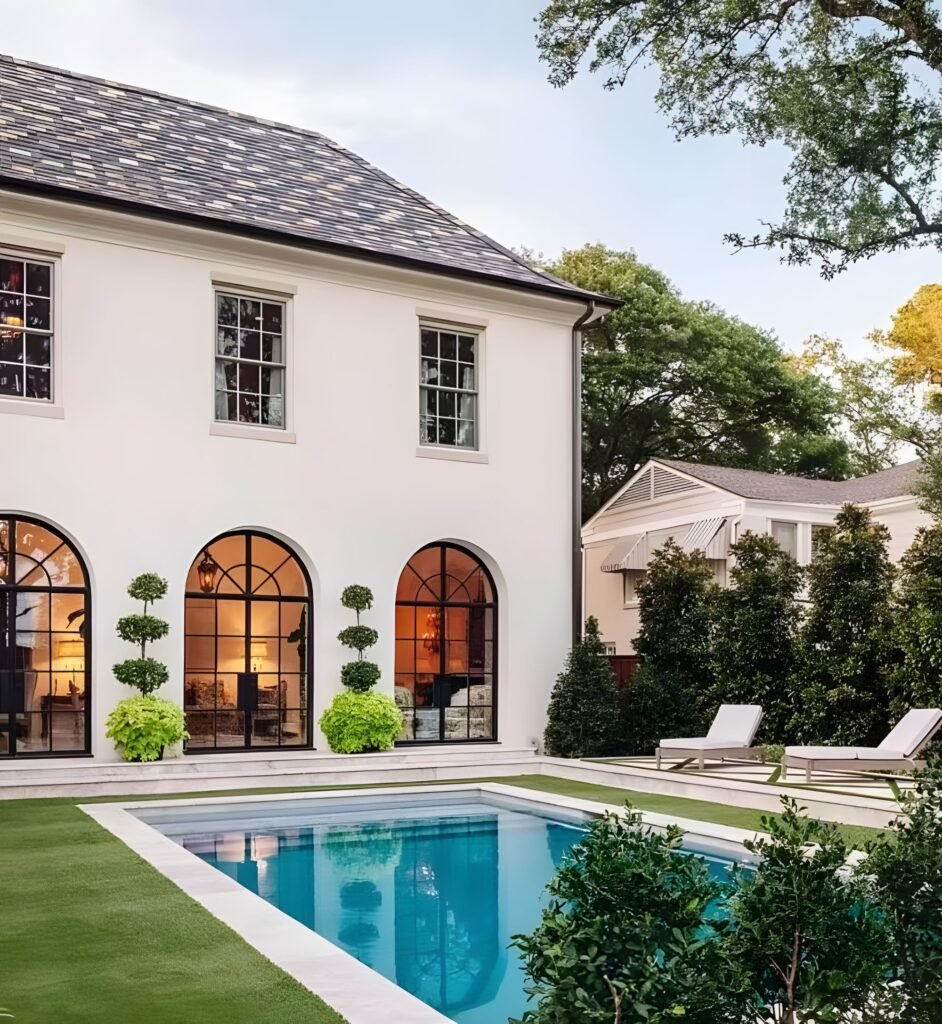
Exterior French doors are designed for:
- Patios
- Gardens
- Decks
- Balconies
- Main entrances
Exterior doors usually include:
- Insulated glass
- Weather sealing
- Stronger frames
- Multi-point locking systems
They are typically thicker and more durable than interior models.
Understand Standard French Door Sizes
Choosing the correct size is essential for proper installation and functionality.
Common Single French Door Sizes
| Width | Height |
|---|---|
| 24″ | 80″ |
| 28″ | 80″ |
| 30″ | 80″ |
| 32″ | 80″ |
| 36″ | 80″ |
Common Double French Door Sizes
| Total Width | Height |
|---|---|
| 48″ | 80″ |
| 60″ | 80″ |
| 72″ | 80″ |
| 96″ | 80″ |
For modern homes, taller options such as 84-inch and 96-inch doors are also available.
Choose the Right Frame Material
French doors are available in several frame materials, each with different advantages.
Aluminum French Doors
Aluminum doors are strong, modern, and low maintenance. They support larger glass panels and slimmer frames, making them ideal for contemporary homes.
Best for:
- Modern architecture
- Large openings
- Minimalist designs
Wood French Doors
Wood doors offer a classic and warm appearance. They provide excellent aesthetics but require regular maintenance.
Best for:
- Traditional homes
- Luxury interiors
- Rustic designs
uPVC French Doors
uPVC French doors are affordable, energy-efficient, and easy to maintain.
Best for:
- Residential projects
- Budget-conscious buyers
- Energy-saving applications
Select the Right Glass Type
Glass plays an important role in energy efficiency, privacy, and safety.
Common options include:
Clear Glass
Provides maximum visibility and natural light.
Frosted Glass
Improves privacy while still allowing light through.
Tempered Glass
Offers better safety because it is stronger than regular glass.
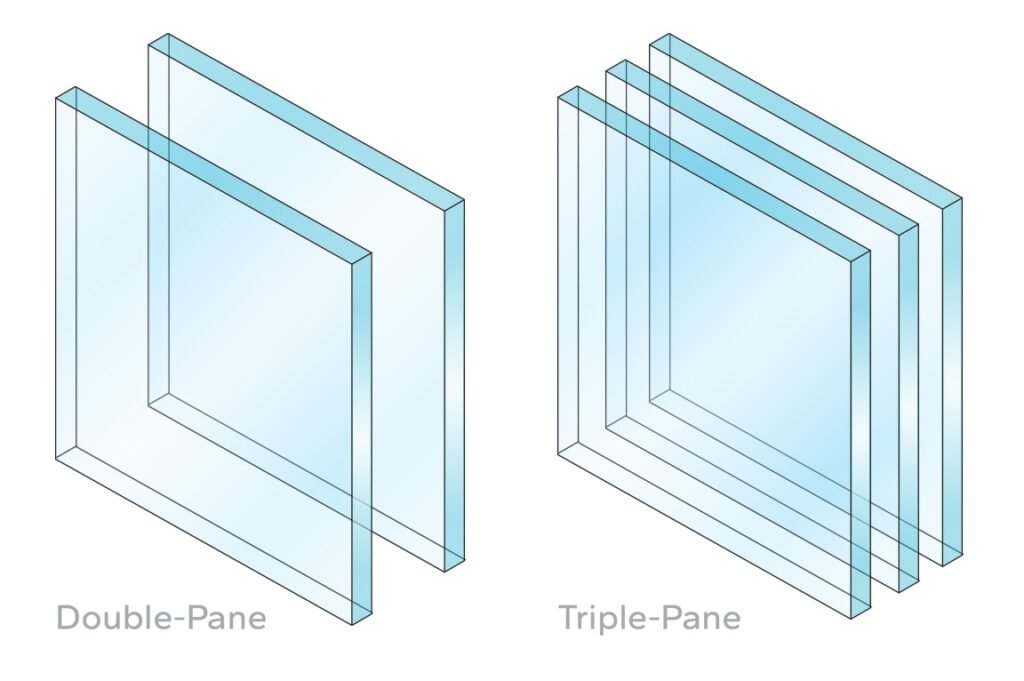
Double-Glazed Glass
Improves insulation and reduces outside noise.
For exterior French doors, double-glazed tempered glass is usually recommended.
Decide on the Door Opening Style
French doors can open in different ways depending on the available space and design preference.
Inward Opening
Common for interior applications.
Outward Opening
Often used for exterior doors to save interior space.
Active and Passive Panels
Most double French doors include:
- One active door used daily
- One passive door opened when a wider space is needed
Consider Energy Efficiency
Energy-efficient French doors can help reduce heating and cooling costs.
Look for features such as:
- Thermal break frames
- Double or triple glazing
- Low-E glass coatings
- Quality weather seals
These features are especially important for exterior doors in hot or cold climates.
Check Security Features
Exterior French doors should provide strong security protection.
Recommended security features include:
- Multi-point locking systems
- Tempered or laminated glass
- Reinforced frames
- High-quality hinges
Modern aluminum French doors often provide excellent security performance while maintaining slim sightlines.
Think About Style and Design
French doors are available in many styles, including:
- Traditional divided lite designs
- Modern slim-frame styles
- Black frame French doors
- Arched French doors
- Full-glass panel doors
Choose a style that matches the architecture and interior design of your home.
Standard vs. Custom French Doors
Standard French Doors
Advantages:
- Lower cost
- Faster delivery
- Easier installation
Best for:
- Most residential projects
- Standard wall openings
Custom French Doors
Advantages:
- Flexible sizes
- Unique designs
- Better fit for special openings
Best for:
- Luxury homes
- Renovation projects
- Oversized openings
Custom French doors usually require a longer production time and higher budget.
Common Mistakes to Avoid
Before buying French doors, avoid these common mistakes:
- Measuring only the door slab instead of the opening
- Ignoring rough opening requirements
- Choosing oversized doors without checking wall structure
- Forgetting swing clearance
- Selecting the wrong glass type for the climate
Careful planning helps avoid installation problems and additional costs.
Final Thoughts
French doors can improve both the appearance and functionality of a home, but choosing the right door requires careful consideration of size, material, glass type, opening style, and energy performance.
Whether you need standard or custom French doors, selecting a high-quality product will ensure better durability, comfort, and long-term value.
If you are looking for high-quality French doors for residential or commercial projects, Delanshini Doors and Windows offers a wide range of customizable door solutions. For detailed specifications and quotations, please contact: wang@gddlsn.com