
Fiberglass windows generally offer better insulation, superior energy efficiency, and greater dimensional stability, while aluminum windows provide higher structural strength, slimmer sightlines, and a more modern architectural appearance. If energy performance is your top priority, fiberglass is often the better choice. If you need large glass openings and contemporary aesthetics, aluminum may be the better fit.
Choosing between fiberglass and aluminum windows is not simply a matter of appearance or price. These two materials perform differently in terms of thermal efficiency, durability, maintenance requirements, and structural capability. Understanding these differences can help you select the right window system for your climate, building type, and long-term goals.
What Are Fiberglass Windows?
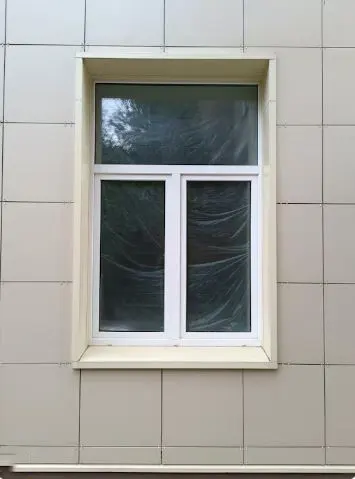
Fiberglass windows are manufactured using glass fibers embedded in a resin matrix. The resulting material is exceptionally strong, lightweight, and resistant to expansion and contraction caused by temperature fluctuations.
Unlike vinyl, fiberglass behaves more similarly to glass itself. This characteristic allows the frame and insulated glass unit to expand and contract at nearly the same rate, reducing stress on seals and helping maintain long-term performance.
Key characteristics of fiberglass windows include:
- Excellent thermal insulation
- High dimensional stability
- Strong resistance to warping
- Long service life
- Ability to be painted or finished in various colors
Fiberglass is often considered a premium window material due to its combination of strength and energy efficiency.
What Are Aluminum Windows?
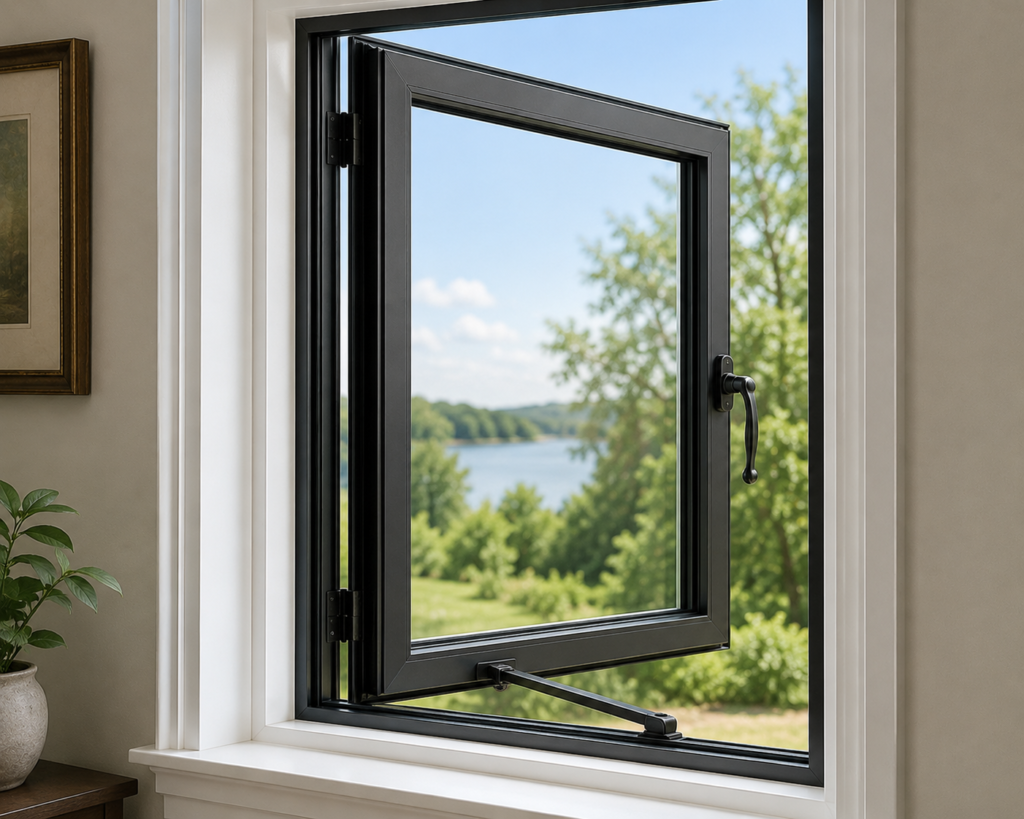
Aluminum windows use extruded aluminum frames to support glass panels. Aluminum is one of the strongest materials commonly used in window manufacturing, allowing for thinner frames and larger openings than most alternative materials.
Modern aluminum windows frequently incorporate thermal break technology, which places an insulating barrier between the interior and exterior sections of the frame to reduce heat transfer.
Key characteristics of aluminum windows include:
- Outstanding structural strength
- Slim and modern frame profiles
- Large glass capabilities
- Corrosion resistance with proper finishes
- Long lifespan
Aluminum remains a preferred choice for contemporary residential architecture, commercial buildings, and projects that prioritize expansive views.
Energy Efficiency
Energy efficiency is often the most important factor for homeowners comparing these materials.
Fiberglass Windows
Fiberglass is a poor conductor of heat, making it highly effective at reducing thermal transfer.
Benefits include:
- Better insulation performance
- Reduced heat loss during winter
- Lower solar heat gain during summer
- Improved HVAC efficiency
Because fiberglass expands and contracts very little, weather seals tend to remain more effective over time.
Aluminum Windows
Aluminum naturally conducts heat much more readily than fiberglass.
Without thermal breaks, aluminum frames can transfer heat quickly between indoor and outdoor environments.
Modern thermally broken aluminum systems have significantly improved performance, but they still generally do not match the insulation properties of high-quality fiberglass frames.
Winner: Fiberglass
For projects focused on energy savings and thermal comfort, fiberglass typically offers superior performance.
Structural Strength
Aluminum Windows
This is where aluminum excels.
Its high strength-to-weight ratio allows manufacturers to produce extremely narrow frames while supporting large glass panels.
Advantages include:
- Floor-to-ceiling glazing
- Oversized window openings
- Minimal frame visibility
- Excellent wind-load resistance
This makes aluminum particularly attractive for luxury homes and commercial buildings.
Fiberglass Windows
Fiberglass is stronger than vinyl and many people realize, but it does not offer the same structural capacity as aluminum for very large openings.
For standard residential applications, fiberglass provides more than adequate strength.
However, for expansive architectural glazing, aluminum remains the preferred material.
Winner: Aluminum

Durability and Longevity
Both materials are highly durable when properly manufactured and installed.
Fiberglass Windows
Fiberglass is resistant to:
- Rot
- Moisture damage
- Corrosion
- UV degradation
Its dimensional stability also helps preserve weather seals and glazing systems over decades of use.
Many fiberglass windows can last 30 years or longer with minimal deterioration.
Aluminum Windows
Aluminum is exceptionally durable structurally and can withstand demanding environmental conditions.
Powder-coated and anodized finishes provide strong protection against corrosion.
However, in coastal environments with heavy salt exposure, maintenance may be required to preserve the finish over time.
Winner: Tie
Both materials offer excellent longevity when sourced from reputable manufacturers.
Maintenance Requirements
Fiberglass Windows
Fiberglass requires very little maintenance.
Typical maintenance includes:
- Cleaning the frame
- Inspecting weather seals
- Occasional hardware lubrication
Painted fiberglass frames may require refinishing after many years depending on climate conditions.
Aluminum Windows
Aluminum frames are similarly low maintenance.
However, owners may need to:
- Clean accumulated contaminants
- Inspect protective coatings
- Address scratches that expose bare metal
For most homeowners, maintenance differences between fiberglass and aluminum are relatively small.
Winner: Slight Edge to Fiberglass
Appearance and Design Flexibility
Modern architectural trends have increased demand for slim-profile windows and larger glass areas.
Aluminum Windows
Aluminum is widely recognized for its sleek appearance.
Advantages include:
- Ultra-thin sightlines
- Contemporary aesthetics
- Larger uninterrupted views
- Minimalist architectural design
This is one of the main reasons architects continue to specify aluminum systems for modern projects.
Fiberglass Windows
Fiberglass can be manufactured in attractive profiles, but it generally cannot achieve the same level of frame slimness as aluminum.
It does, however, offer:
- Traditional appearance options
- Contemporary styles
- Paintable surfaces
- Various finish choices
Winner: Aluminum
For pure aesthetics and large-view applications, aluminum often leads the category.

Cost Comparison
Price is often one of the biggest deciding factors when selecting new windows.
Fiberglass Windows
Fiberglass windows are generally considered a premium product.
Factors contributing to the higher price include:
- More complex manufacturing processes
- Advanced material composition
- Superior thermal performance
- Longer-term energy savings potential
While the upfront investment is higher, many homeowners view fiberglass as a long-term value due to reduced energy consumption and excellent durability.
Aluminum Windows
Aluminum window pricing varies significantly depending on:
- Frame design
- Thermal break technology
- Glass specifications
- Project size
Basic aluminum windows may be less expensive than fiberglass, but high-performance thermally broken aluminum systems often fall into a similar or even higher price range.
For this reason, comparing prices based solely on frame material can be misleading.
Which Offers Better Value?
If your goal is maximizing energy efficiency and reducing utility costs over time, fiberglass often delivers stronger long-term value.
If your priority is achieving a specific architectural design with large glass areas, aluminum may justify the additional investment.
Winner: Depends on Project Goals
Why Fiberglass Performs Better in Extreme Temperatures
One of the most overlooked differences between fiberglass and aluminum is how they respond to temperature changes.
Temperature fluctuations cause all building materials to expand and contract.
Fiberglass has an expansion rate that closely matches glass itself. This compatibility provides several benefits:
- Reduced stress on insulated glass units
- Improved seal longevity
- Lower risk of frame distortion
- More consistent energy performance
This becomes especially important in regions that experience:
- Harsh winters
- Hot summers
- Large day-to-night temperature swings
Because aluminum expands and contracts more than glass, frame movement can place greater stress on seals over time, although modern engineering has significantly improved performance.
For homeowners in demanding climates, fiberglass often provides a measurable long-term advantage.
Why Architects Still Choose Aluminum Windows
Despite fiberglass offering superior thermal performance, aluminum remains one of the most popular materials in modern architecture.
The reason is simple:
Design Freedom
Aluminum can support larger openings while maintaining narrow frame profiles.
This allows architects to create:
- Floor-to-ceiling windows
- Corner glazing systems
- Large sliding doors
- Contemporary glass facades
Structural Capability
For projects involving:
- High-rise buildings
- Coastal developments
- Commercial properties
- Luxury residences
aluminum’s strength becomes a significant advantage.
In many modern designs, achieving the desired appearance simply would not be possible without aluminum framing systems.
Fiberglass vs Aluminum Windows by Climate
Cold Climates
Fiberglass is usually the better choice.
Benefits include:
- Better insulation
- Reduced heat loss
- Improved indoor comfort
- Lower heating costs
Recommended for:
- Northern United States
- Canada
- Northern Europe
Hot Climates
Both materials can perform well.
However:
- Fiberglass provides stronger thermal efficiency
- Thermally broken aluminum offers excellent durability and modern aesthetics
The final choice often depends on design priorities.
Coastal Areas
Both materials can work successfully.
Fiberglass offers excellent corrosion resistance.
Aluminum systems should feature high-quality marine-grade coatings to withstand salt exposure.
High-Wind Regions
Aluminum typically has the advantage due to its superior structural strength.
Recommended for:
- Hurricane-prone regions
- Coastal high-rises
- Areas with extreme wind loads
Sustainability Considerations
Sustainability is becoming an increasingly important factor in window selection.
Fiberglass
Advantages include:
- Long service life
- Excellent energy efficiency
- Reduced operational energy consumption
These characteristics can contribute to lower environmental impact throughout a building’s life cycle.
Aluminum
Aluminum has one major sustainability advantage:
It is highly recyclable.
Many aluminum window systems contain recycled material, and aluminum can often be recycled repeatedly without significant loss of quality.
From a sustainability perspective, both materials can support environmentally responsible building practices when sourced from reputable manufacturers.
Fiberglass vs Aluminum Windows: Which One Should You Choose?
Choose fiberglass windows if you prioritize:
- Energy efficiency
- Thermal comfort
- Cold-climate performance
- Long-term energy savings
- Dimensional stability
Choose aluminum windows if you prioritize:
- Modern aesthetics
- Slim sightlines
- Large glass openings
- Architectural flexibility
- Maximum structural strength
Final Verdict
Fiberglass and aluminum are both premium window materials, but they excel in different areas.
Fiberglass stands out for insulation, thermal stability, and energy efficiency, making it one of the best choices for homeowners seeking long-term performance and lower energy costs.
Aluminum remains the preferred option for modern architectural design, offering unmatched strength, slim profiles, and the ability to support expansive glass installations.
For most energy-conscious residential projects, fiberglass is often the stronger overall performer. For contemporary homes, commercial buildings, and projects focused on maximizing views, aluminum continues to be an outstanding choice.
Looking for high-performance window solutions for your next project? Contact our team at wang@gddlsn.com for expert advice, customized recommendations, and a competitive quotation tailored to your requirements.
FAQs
Fiberglass windows generally provide better insulation and thermal performance, while aluminum windows offer greater structural strength and slimmer frame profiles.
Both materials can last for decades. Fiberglass offers exceptional resistance to temperature-related movement, while aluminum provides outstanding structural durability.
Yes. Fiberglass naturally insulates better than aluminum and typically achieves higher energy-efficiency performance.
Fiberglass manufacturing is more complex, and the material delivers premium performance in terms of insulation, stability, and longevity.
Absolutely. Aluminum remains one of the best options for modern architecture, large openings, and projects requiring maximum structural strength.