
Window weep holes are small drainage openings in certain window systems that allow water to escape from designated areas of the frame or track to the outside. They help manage rainwater that enters the window’s drainage channels and should remain clear to function properly.
Understanding how window weep holes work can help you maintain your windows, identify potential drainage problems, and avoid sealing openings that are designed to let water out.
What Are Window Weep Holes?
Window weep holes are openings built into certain window frames to allow collected water to drain to the exterior. They are part of the window’s water-management system, which helps direct moisture away from areas where it could otherwise accumulate.
Even well-designed windows may allow some rainwater to enter designated drainage channels during heavy rain or wind-driven weather. Rather than relying entirely on the outer seals to keep every drop of water out, some window systems use internal channels and drainage openings to manage water that gets past the outermost barrier.
Weep holes provide an outlet for this water.
These openings are commonly found in vinyl and aluminum window systems, although their location and design vary by manufacturer and window type. Some are clearly visible along the exterior bottom of the frame, while others may be integrated into less obvious parts of the window assembly.
Not every window has the same drainage design, and not every small opening in a window frame is a weep hole. Check the manufacturer’s documentation if you are unsure about the purpose of a particular opening.Window Weep Holes: What They Are, How They Work, and How to Clean Them
Window weep holes are small drainage openings in certain window systems that allow water to escape from designated areas of the frame or track to the outside. They help manage rainwater that enters the window’s drainage channels and should remain clear to function properly.
Understanding how window weep holes work can help you maintain your windows, identify potential drainage problems, and avoid sealing openings that are designed to let water out.
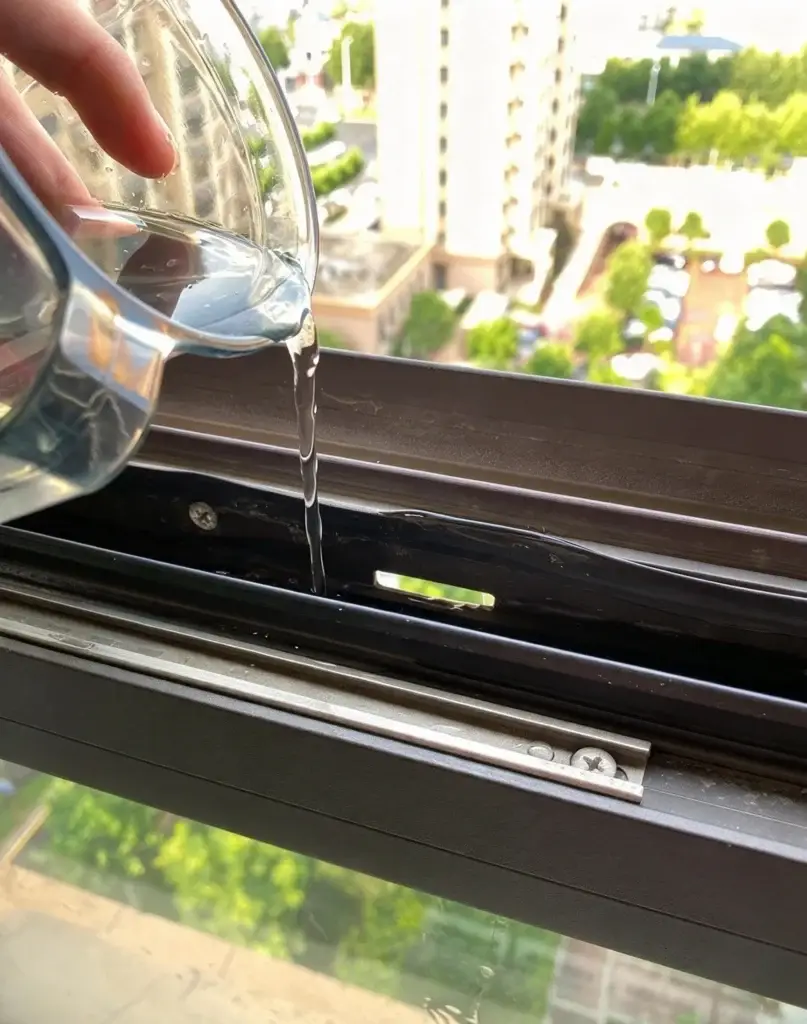
How Do Window Weep Holes Work?
Window weep holes work as part of a drainage path that directs water away from the window frame.
When rainwater reaches a designated drainage area, it can collect temporarily in the bottom track or an internal channel. The window’s drainage design then guides the water toward an outlet, allowing it to flow outside instead of remaining trapped inside the frame.
The process generally involves three stages:
- Water enters a drainage area. Wind-driven rain or moisture passing the outer seals may reach the window’s internal drainage channels.
- The frame directs the water. Sloped surfaces, channels, and other design features guide water toward the drainage outlet.
- Water exits through the weep holes. The openings allow collected water to drain to the exterior.
The exact process depends on the window’s construction. Some systems incorporate baffles, covers, or multiple drainage openings to help manage water while limiting direct exposure to wind and debris.
It is important to distinguish drainage from sealing. Weep holes do not replace weatherstripping, exterior seals, flashing, or proper installation. They perform a separate function within the overall window assembly.
Where Are Window Weep Holes Located?
Window weep holes are often located near the bottom of the window frame, but their exact position depends on the design.
Exterior Bottom of the Window Frame
Many windows have small slots or openings along the exterior-facing bottom of the frame. These outlets allow water from the internal drainage channels to escape.
They may appear as narrow horizontal slots, small rectangular openings, or other manufacturer-specific designs.
Window Tracks and Sills
Some drainage openings are associated with the bottom tracks or sill areas of the window. These may be easier to see when the window is open, although not all visible openings in a track serve the same purpose.
Sliding windows and doors may have drainage paths integrated into their lower tracks. Keeping these areas free of dirt and debris helps prevent drainage problems.
Less Visible or Internal Drainage Openings
Certain window systems use concealed channels or openings that are not immediately visible from the exterior. Some assemblies may also include internal drainage openings that connect to an exterior outlet.
If you find a hole on the interior side of a window but cannot identify a corresponding exterior opening, do not assume the window is defective. The opening may be part of a particular drainage design, or it may serve another purpose.
Consult the manufacturer’s documentation before sealing, enlarging, or modifying any opening.
Why Are Window Weep Holes Important?
Window weep holes help the window manage water that reaches its designated drainage areas. Keeping them clear supports the drainage system and helps reduce the risk of water accumulating where it should not.
They Allow Water to Drain
Without a functioning drainage outlet, water may remain in the bottom track or internal channels longer than intended. Clear weep holes allow water to escape through the designed drainage path.
They Help Reduce the Risk of Water Damage
Persistent water accumulation can contribute to problems around a window, particularly if water escapes from the drainage area into surrounding building materials.
Depending on the circumstances, prolonged moisture exposure may damage interior finishes, affect nearby materials, or contribute to deterioration. Keeping drainage openings clear helps the window perform as designed, although it cannot prevent every type of water intrusion.
They Support the Window’s Overall Water Management
A window’s resistance to water depends on more than its drainage openings. Weather seals, frame joints, flashing, installation details, and surrounding wall construction all play a role.
Weep holes provide an outlet for water within the designed drainage system. They cannot compensate for failed seals, incorrect installation, or inadequate flashing.
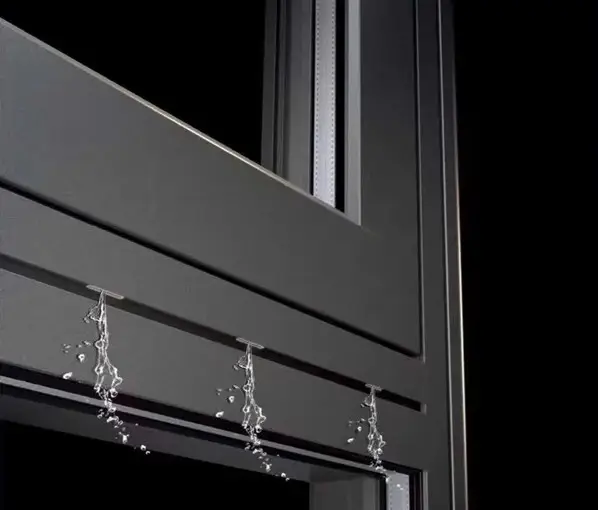
What Happens If Window Weep Holes Are Blocked?
Blocked window weep holes can prevent water from draining properly. The resulting symptoms depend on the window’s design, the amount of water entering the drainage area, and the extent of the blockage.
Common warning signs include:
- Water remaining in the bottom track longer than expected.
- Dirt, leaves, insect debris, or other materials visibly blocking the openings.
- Water failing to drain from the designated drainage area.
- Water appearing on the interior sill or nearby surfaces.
- Signs of moisture damage around the window.
These symptoms do not automatically mean the weep holes are blocked. Water entering the home may also result from damaged weatherstripping, failed seals, installation defects, inadequate flashing, or other drainage problems.
Common Causes of Blocked Weep Holes
Dirt and debris: Dust, leaves, pollen, and other outdoor debris can accumulate around the openings.
Insect activity: Insects or nesting materials may obstruct some drainage outlets.
Paint or sealant: Painting or sealing work can accidentally cover openings that need to remain clear.
Poor maintenance: Dirt can build up in the window track and drainage channels over time, particularly in exposed locations.
Installation problems: Incorrect installation or modifications to the window assembly may interfere with its intended drainage path.
If you discover a blocked opening, first confirm that it is a designated drainage outlet. Then use the cleaning method recommended for your specific window.
How to Clean Window Weep Holes
Cleaning window weep holes is usually a straightforward maintenance task when the openings are accessible and the drainage system is intact. The key is to remove debris without damaging the frame or interfering with internal components.
Step 1: Identify the Weep Holes
Inspect the exterior bottom of the window frame and any accessible drainage areas around the tracks or sill.
Look for small slots or openings that match the window manufacturer’s drainage design. If you cannot identify them confidently, consult the product documentation rather than treating every hole or gap as a weep hole.
Step 2: Inspect the Window Track
Open the window if necessary and check the accessible track and sill areas for dirt, leaves, dead insects, and other debris.
Remove loose material before cleaning the drainage openings. This helps prevent debris from being pushed farther into the drainage channels.
Step 3: Remove Visible Debris
Use a soft brush, a small cleaning brush, or another tool approved by the manufacturer to clear accessible debris from the openings.
Avoid forcing tools deep into the frame. Sharp objects or excessive pressure may damage internal components or alter the drainage path.
Do not enlarge the holes or drill new ones to improve drainage. The location, size, and arrangement of drainage openings are part of the window’s design.
Step 4: Clean the Accessible Track and Sill
Remove remaining dirt from the window track and sill using a suitable brush or cloth. If the manufacturer’s instructions permit it, use a small amount of water to clean the accessible areas.
Avoid flooding the track or directing a strong stream of water into the frame. Excess water may enter areas that are not designed to handle it.
Step 5: Check Whether the Drainage Is Clear
After cleaning, inspect the openings again to confirm that visible debris has been removed.
If the manufacturer’s maintenance instructions provide a drainage test, follow that procedure. Otherwise, avoid introducing large amounts of water simply to test the holes.
During the next period of rain, observe whether water drains as expected. If water continues to accumulate or enters the home, the problem may involve a deeper blockage or another part of the window’s water-management system.
Step 6: Seek Help if the Drainage Remains Blocked
If you cannot clear the drainage path using the recommended method, or if cleaning does not resolve the problem, contact the window manufacturer or a qualified window professional.
Do not dismantle the frame, remove components, or drill additional holes unless the manufacturer or a qualified professional confirms that the work is appropriate for the specific window.
Should You Seal Window Weep Holes?
No. You should not seal a window weep hole if it is a designated drainage outlet. Blocking it with caulk, paint, or another material can prevent water from leaving the frame and interfere with the window’s intended drainage system.
This does not mean every opening or joint around a window should remain unsealed. Window assemblies contain different types of gaps and joints, and each has a specific function.
For example, an installation gap may require an appropriate sealing treatment, while a designed drainage opening must remain functional. Confusing the two can create problems.
Before applying sealant around a window:
- Identify which openings are intended for drainage.
- Follow the manufacturer’s sealing and maintenance instructions.
- Avoid covering drainage outlets during painting, caulking, or renovation work.
- If the opening’s purpose is unclear, ask the manufacturer or installer before modifying it.
If insects are entering through a drainage opening, check whether the manufacturer offers a compatible weep-hole cover or other protective component. Do not block the outlet simply to prevent insects from entering.
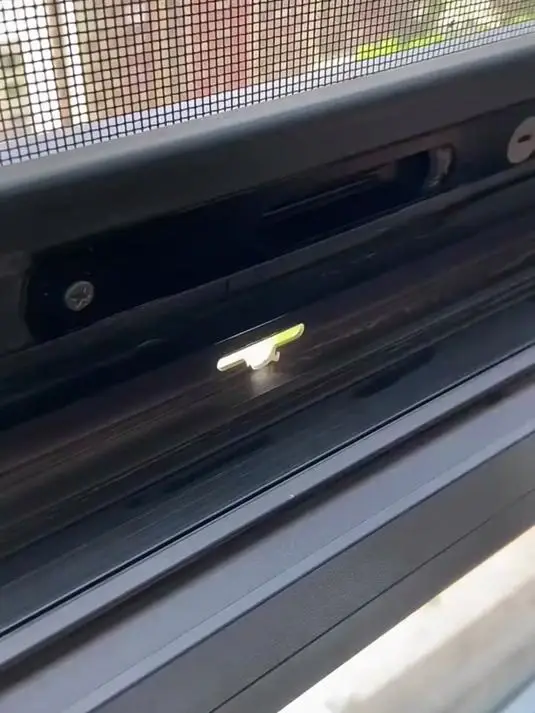
What If Your Window Still Leaks After Cleaning the Weep Holes?
If the weep holes are clear but water continues to enter the home, cleaning alone may not solve the problem. The source of the water needs to be identified.
Check the Window Seals
Damaged or deteriorated weatherstripping and seals may allow water to pass into areas that should remain protected. Inspect accessible seals for visible gaps, damage, or deterioration.
Do not assume that every gap needs caulk. Some openings are intentional parts of the drainage system.
Consider the Installation and Flashing
Water can enter around a window if the installation connection, flashing, or surrounding wall assembly is not directing water away properly.
These issues may require professional inspection because the source of the leak may be concealed behind trim or within the wall.
Look for Signs of Frame or Component Damage
Cracks, damaged joints, or other deterioration may interfere with the window’s water management. If visible damage is present, consult the manufacturer or a qualified professional about the appropriate repair.
Observe When and Where the Leak Occurs
The timing and location of the water can help narrow down the possible causes.
For example, note whether the problem occurs only during heavy rain, during wind-driven rain, or even in dry weather. Record where water first appears, whether the bottom track contains standing water, and whether the same issue affects multiple windows.
These observations can help a professional distinguish a drainage problem from a sealing, installation, or surrounding-wall issue.
If water is repeatedly entering the home, do not rely on cleaning the weep holes as the only response. Promptly investigate the source to reduce the risk of further moisture damage.
FAQs
Do All Windows Have Weep Holes?
No. Window drainage designs vary by product, frame construction, and manufacturer. Some systems use visible weep holes, while others use less obvious drainage paths or different water-management arrangements. Consult the manufacturer’s documentation to identify the drainage system used by your window.
How Often Should You Clean Window Weep Holes?
The appropriate maintenance frequency depends on the window design, exposure, and amount of debris around the opening. Inspect the drainage outlets periodically, especially after seasonal debris buildup or when you notice drainage problems. Follow the manufacturer’s recommended maintenance schedule rather than assuming every window requires cleaning at the same interval.
Can You Use a Screwdriver to Clean Window Weep Holes?
A screwdriver is not the preferred general-purpose cleaning tool because it can scratch the frame or damage internal components if inserted too far. A soft brush or a manufacturer-approved cleaning tool is usually a safer starting point. Do not force any tool into the drainage channel.
Is It Normal for Water to Collect in a Window Track?
Some window systems are designed to collect and drain water through their bottom tracks, so temporary moisture after rain does not necessarily indicate a problem. However, persistent standing water, failure to drain, or water entering the interior may indicate a blockage or another issue that needs investigation.
Can Blocked Weep Holes Cause Water to Leak Inside?
Yes, blocked drainage openings can contribute to water accumulation and may allow water to escape into unintended areas. However, interior leaks can also result from damaged seals, poor installation, inadequate flashing, or other defects. The source should be identified before deciding on a repair.
Why Can’t I See the Weep Holes on My Window?
Some window systems have small, discreet, or concealed drainage outlets. Others use different drainage arrangements. Check the manufacturer’s documentation for the specific window model before concluding that a drainage opening is missing or blocked.
Can You Drill Weep Holes in a Window That Does Not Have Them?
You should not drill new holes without confirmation from the manufacturer or a qualified professional. The window’s frame design and internal chambers determine where drainage openings belong. Drilling in the wrong location can damage the frame, interfere with internal components, or compromise the window’s performance.
What Should You Do If Water Still Leaks After Cleaning the Weep Holes?
Check whether the visible drainage openings and accessible tracks are clear. If the problem continues, investigate other potential causes, including seals, frame joints, installation connections, and flashing. Persistent leaks should be assessed by the window manufacturer, installer, or a qualified professional.
Conclusion
Window weep holes help certain window systems drain water from designated areas of the frame. Keeping them clear and avoiding accidental sealing can support proper drainage, but persistent water accumulation or interior leaks may indicate a problem beyond the openings themselves. If cleaning does not restore normal drainage, investigate the underlying cause rather than modifying the frame.
Have questions about window drainage or choosing the right windows for your home? Email us at wang@gddlsn.com for assistance.