
Casement windows and double hung windows are two of the most popular window styles, but they offer different advantages. Casement windows generally provide better ventilation, stronger sealing performance, and a more modern appearance, while double hung windows are known for their traditional style, easy maintenance, and flexible operation.
The better choice depends on your home’s design, climate, ventilation needs, energy efficiency requirements, and long-term maintenance preferences.
This guide compares casement windows vs double hung windows in terms of performance, appearance, cost, maintenance, and applications to help you choose the right option for your project.
Casement Windows vs Double Hung Windows: Quick Comparison
| Feature | Casement Windows | Double Hung Windows |
|---|---|---|
| Opening Style | Hinged outward like a door | Slides vertically with movable sashes |
| Ventilation | Excellent airflow with full opening | Good ventilation with adjustable openings |
| Energy Efficiency | Generally higher due to compression sealing | Depends on frame and sealing system |
| Cleaning | May require exterior access depending on design | Easier to clean from inside |
| Appearance | Modern and minimalist | Traditional and classic |
| Large Glass Area | More suitable | More limited |
| Maintenance | Requires hardware inspection | Easier sash maintenance |
| Best For | Modern homes, energy-efficient designs | Traditional homes and renovation projects |
What Are Casement Windows?
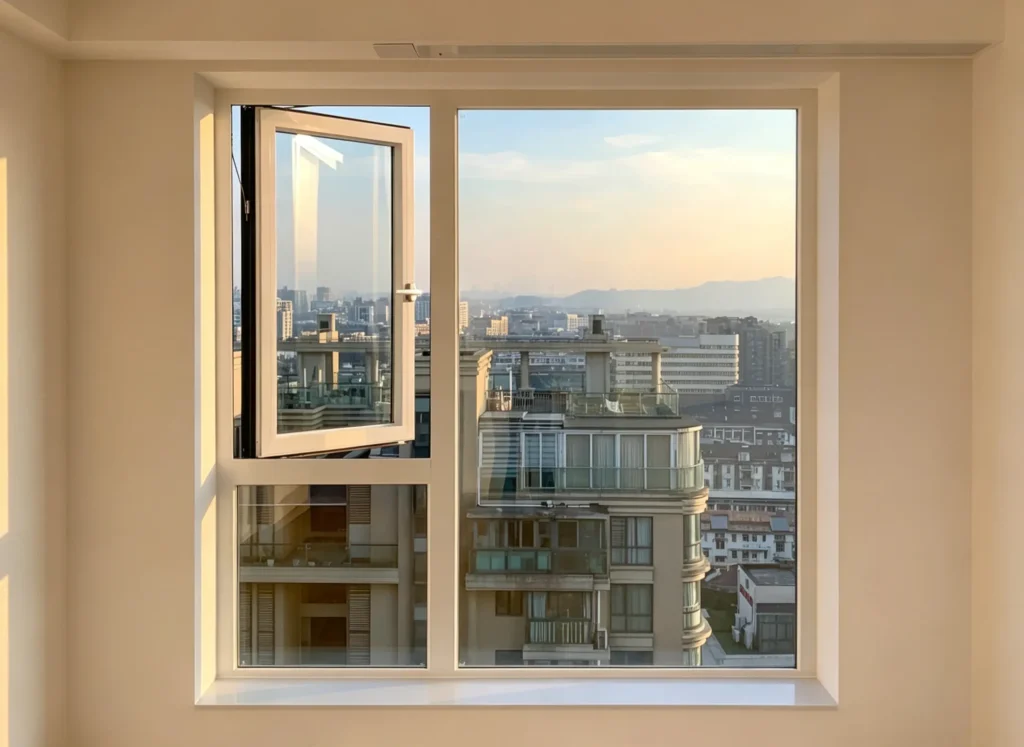
Casement windows are windows attached to the frame with side hinges and operated by a crank or handle.
When opened, the entire window sash swings outward, creating a large opening for ventilation.
Because the sash closes tightly against the frame, casement windows are often selected for projects where air sealing and energy performance are important.
Key Features of Casement Windows
Full Opening Area
Unlike sliding windows, casement windows can open almost completely, allowing more airflow into the room.
This makes them suitable for:
- Bedrooms
- Living rooms
- Kitchens
- Areas requiring better ventilation
Strong Sealing Performance
When closed, the sash presses against the weather seals around the frame.
This compression sealing design helps reduce:
- Air leakage
- Drafts
- Heat loss
For energy-efficient homes, casement windows are often preferred because of their tighter sealing performance.
Modern Design Flexibility
Casement windows are commonly used in contemporary architecture because they can accommodate:
- Larger glass areas
- Slim frame designs
- Minimalist appearances
Aluminum casement windows are especially popular in modern residential and commercial projects due to their strength and flexible customization options.
What Are Double Hung Windows?
Double hung windows feature two vertically sliding sashes that can move independently.
Both the upper and lower sections can open, allowing homeowners to adjust airflow based on their preferences.
Double hung windows have been widely used in traditional American homes because of their classic appearance and practical operation.

Key Features of Double Hung Windows
Adjustable Ventilation
Because both sashes can move, homeowners can control airflow by opening:
- The bottom sash for incoming air
- The top sash for warm air release
This creates natural ventilation without fully opening the window.
Traditional Appearance
Double hung windows are often chosen for:
- Colonial-style homes
- Historic renovations
- Traditional residential designs
Their balanced vertical appearance fits many classic architectural styles.
Easy Cleaning
Many double hung windows include tilt-in sashes that allow homeowners to clean both sides of the glass from inside.
This is one of their biggest advantages for multi-story homes.
Casement Windows vs Double Hung Windows: Key Differences
1. Ventilation Performance
Ventilation is one of the biggest differences between casement and double hung windows.
Casement Windows
Casement windows provide excellent airflow because the entire sash opens outward.
Advantages:
- Larger ventilation opening
- Can catch side breezes
- Better airflow direction control
When positioned correctly, the open sash can help direct outdoor air into the room.
Double Hung Windows
Double hung windows provide flexible ventilation through two movable sashes.
Advantages:
- Adjustable airflow
- Allows warm air to escape through the upper opening
- Suitable for mild climates
However, because only part of the window opens at a time, the ventilation area is usually smaller compared with casement windows.
2. Energy Efficiency
Energy efficiency is another important factor when comparing casement windows vs double hung windows.
Casement Windows
Casement windows usually have better air sealing because the sash closes tightly against the frame.
Benefits include:
- Reduced air infiltration
- Improved indoor comfort
- Better performance in extreme weather conditions
Double Hung Windows
Double hung windows rely on sliding components and weather seals.
Their energy performance depends heavily on:
- Frame quality
- Glass selection
- Weatherstripping design
- Manufacturing precision
High-quality double hung windows can still provide good energy performance, but the design generally includes more moving parts.
3. Cleaning and Maintenance
Maintenance requirements are different between the two window types.
Double Hung Windows
Double hung windows are often easier to clean because many models allow the sashes to tilt inward.
Advantages:
- Interior cleaning access
- Convenient for upper floors
- Simple operation
Casement Windows
Casement windows are also relatively low maintenance, but cleaning access depends on the installation location.
For ground-floor applications, cleaning is usually simple.
For higher floors, homeowners may need additional solutions for exterior glass cleaning.
4. Appearance and Design Style
The visual difference between casement and double hung windows is significant.
Casement Windows: Modern and Minimalist
Casement windows are commonly used in:
- Contemporary homes
- Modern architectural projects
- Large glass applications
They provide:
- Cleaner sightlines
- Larger uninterrupted glass areas
- A more open appearance
Double Hung Windows: Classic and Traditional
Double hung windows are often selected for:
- Traditional homes
- Historic buildings
- Classic architectural styles
They provide a familiar appearance that matches many older residential designs.
5. Cost Comparison: Casement Windows vs Double Hung Windows
The cost difference between casement windows and double hung windows depends on factors such as:
- Window material
- Glass type
- Size
- Hardware system
- Customization requirements
- Installation complexity
In general, casement windows are often more expensive than standard double hung windows because they usually require:
- More advanced hardware
- Stronger operating mechanisms
- Larger glass panels
- More precise manufacturing
However, the initial cost should not be the only consideration. Window performance, energy savings, durability, and long-term maintenance can significantly affect the overall value of the investment.
Casement Windows Pros and Cons
Advantages of Casement Windows
Better Ventilation
Casement windows provide one of the largest opening areas among common window styles.
They are ideal for homeowners who prioritize:
- Fresh air circulation
- Natural ventilation
- Indoor comfort
Higher Energy Efficiency Potential
The compression seal design allows casement windows to achieve excellent airtightness when properly manufactured and installed.
This makes them suitable for:
- Energy-efficient homes
- Cold climates
- High-performance building projects
Larger Glass Area
Casement windows can often support larger glass sections with fewer visual interruptions.
Benefits include:
- More natural light
- Better outdoor views
- Modern architectural appearance
Flexible Customization
Casement windows can be customized in:
- Size
- Frame material
- Glass options
- Opening configurations
This makes them suitable for unique architectural designs.
Disadvantages of Casement Windows
Higher Initial Cost
Compared with basic double hung windows, casement windows typically require a higher investment.
Hardware Requires Attention
Because casement windows rely on hinges, locks, and operating mechanisms, regular inspection helps maintain smooth operation.
Outdoor Space Requirements
Since the sash opens outward, installation should consider:
- Exterior obstacles
- Walkways
- Landscaping
- Building regulations
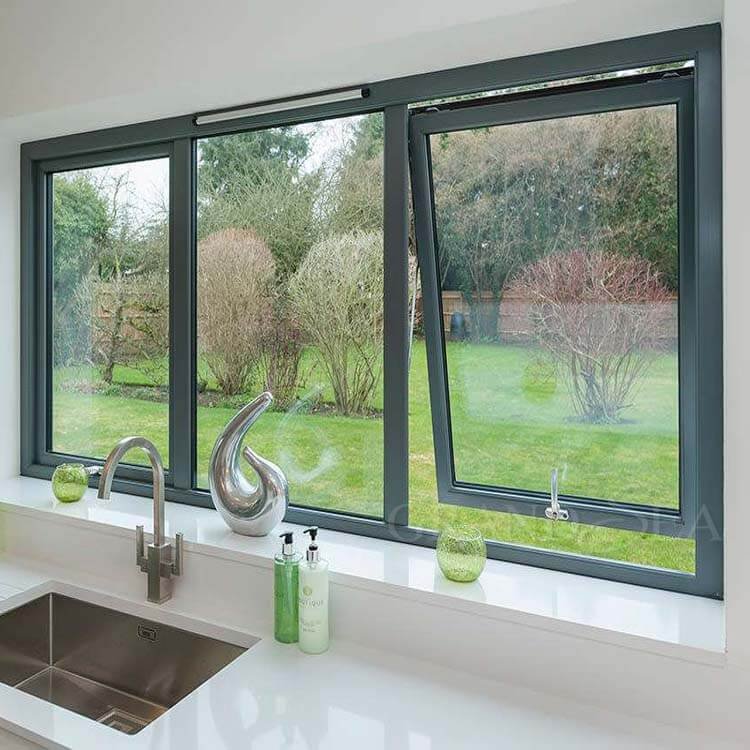
Double Hung Windows Pros and Cons
Advantages of Double Hung Windows
Classic Appearance
Double hung windows match well with:
- Traditional homes
- Colonial architecture
- Renovation projects
Easy Cleaning
Many double hung windows feature tilt-in sashes, making interior cleaning easier.
This is especially useful for:
- Multi-story homes
- Residential buildings with difficult exterior access
Flexible Ventilation Control
The ability to open either the top or bottom sash allows homeowners to adjust airflow according to their needs.
Wide Availability
Double hung windows are one of the most common residential window types, making replacement and sourcing easier in many markets.
Disadvantages of Double Hung Windows
Lower Ventilation Compared With Casement Windows
Because only part of the window opens, airflow may be more limited.
More Moving Components
The sliding mechanism includes:
- Sashes
- Tracks
- Balancing systems
These components require proper maintenance to ensure smooth operation.
Potentially Lower Air Tightness
The sliding design may create more opportunities for air leakage compared with compression-sealed casement windows, depending on product quality.
Which Window Is Better for Different Applications?
There is no single best window type for every project. The right choice depends on the building design, climate, and performance expectations.
Casement Windows Are Best For:
Modern Residential Homes
Casement windows are often selected for contemporary homes because they provide:
- Clean appearance
- Larger glass areas
- Better ventilation
Energy-Efficient Buildings
Projects focused on energy performance often prefer casement windows because of their strong sealing characteristics.
Suitable applications include:
- Passive house designs
- High-performance residential buildings
- Sustainable construction projects
Areas With Strong Ventilation Requirements
Casement windows are ideal for rooms where airflow is important, such as:
- Kitchens
- Living rooms
- Bedrooms
Double Hung Windows Are Best For:
Traditional Home Designs
Double hung windows complement:
- Classic architecture
- Historic properties
- Traditional residential styles
Renovation Projects
For homeowners replacing existing double hung windows, maintaining the original appearance may be a priority.
Homes Prioritizing Easy Maintenance
Double hung windows are a practical choice when easy cleaning and simple operation are important factors.
Casement Windows vs Double Hung Windows in Different Climates
Climate conditions can influence which window style performs better.
Cold Climates
Casement windows often have an advantage because their compression sealing design can help reduce drafts and improve thermal performance.
For cold regions, homeowners often prioritize:
- Airtightness
- Insulation
- Heat retention
Warm Climates
Both window types can work well depending on the building design.
Casement windows provide strong ventilation, while double hung windows allow flexible airflow adjustment.
The best choice depends on:
- Building orientation
- Natural ventilation strategy
- Window placement
Coastal Areas
For coastal environments, material selection becomes especially important.
Factors to consider include:
- Corrosion resistance
- Surface treatment
- Hardware durability
- Wind pressure performance
Aluminum window systems with proper finishing and engineering are commonly selected for coastal projects.
Which Window Is Better for Modern Aluminum Window Projects?
For contemporary residential and commercial buildings, aluminum casement windows are becoming increasingly popular because they combine:
- Structural strength
- Slim frame designs
- Large glass areas
- Flexible customization
Modern architectural projects often require windows that are not limited by standard dimensions.
Custom aluminum casement windows allow manufacturers to adjust:
- Window sizes
- Profile designs
- Glass specifications
- Opening configurations
This flexibility is especially valuable for projects featuring:
- Floor-to-ceiling windows
- Large openings
- Minimalist designs
- Unique architectural requirements
At DLSN, customized aluminum window solutions are developed based on project requirements, including size, performance expectations, and design preferences. By combining aluminum profile engineering with customized manufacturing capabilities, DLSN helps create window systems suitable for different residential and architectural applications.
FAQs
Casement windows are generally better for ventilation, airtightness, and modern designs, while double hung windows are better for traditional appearance and easy cleaning. The better option depends on your home’s requirements.
Casement windows often provide better energy efficiency potential because their compression seal design can reduce air leakage. However, overall performance also depends on glass selection, frame quality, and installation.
Both window types can provide long service life when manufactured with quality materials and properly maintained. Durability depends more on the window system, materials, hardware, and installation quality than the opening style alone.
Double hung windows are often more affordable because they have simpler designs and are widely produced. Casement windows may cost more due to advanced hardware and customization requirements.
Yes. Aluminum casement windows can be customized in terms of dimensions, frame design, glass options, and opening configurations to meet different project requirements.
Casement windows are usually more suitable for large openings because aluminum frames can support larger glass areas while maintaining slim profiles and structural performance.
Conclusion
When comparing casement windows vs double hung windows, the best choice depends on your priorities.
Casement windows are ideal for homeowners and architects looking for:
- Better ventilation
- Higher sealing performance
- Modern aesthetics
- Larger glass areas
Double hung windows are a strong choice for projects that prioritize:
- Traditional appearance
- Easy cleaning
- Familiar operation
For modern residential and architectural projects requiring flexible designs, customized aluminum casement windows provide greater possibilities in size, appearance, and performance.
Choosing the right window style at the design stage helps achieve the right balance between comfort, durability, energy efficiency, and long-term value.
Not sure whether casement or double hung windows are right for your project? Contact wang@gddlsn.com today for expert guidance and customized aluminum window solutions.